
Last updated November 23, 2026
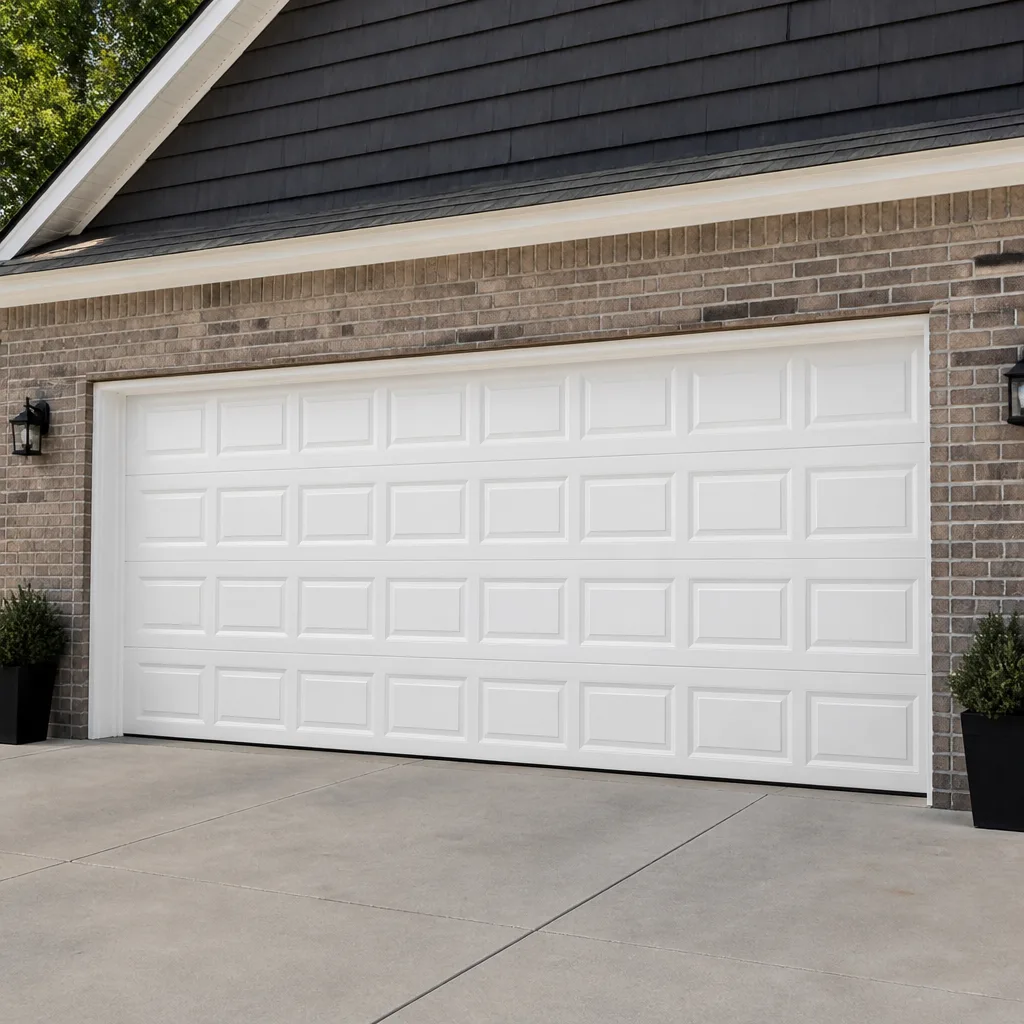 Raised-panel steel
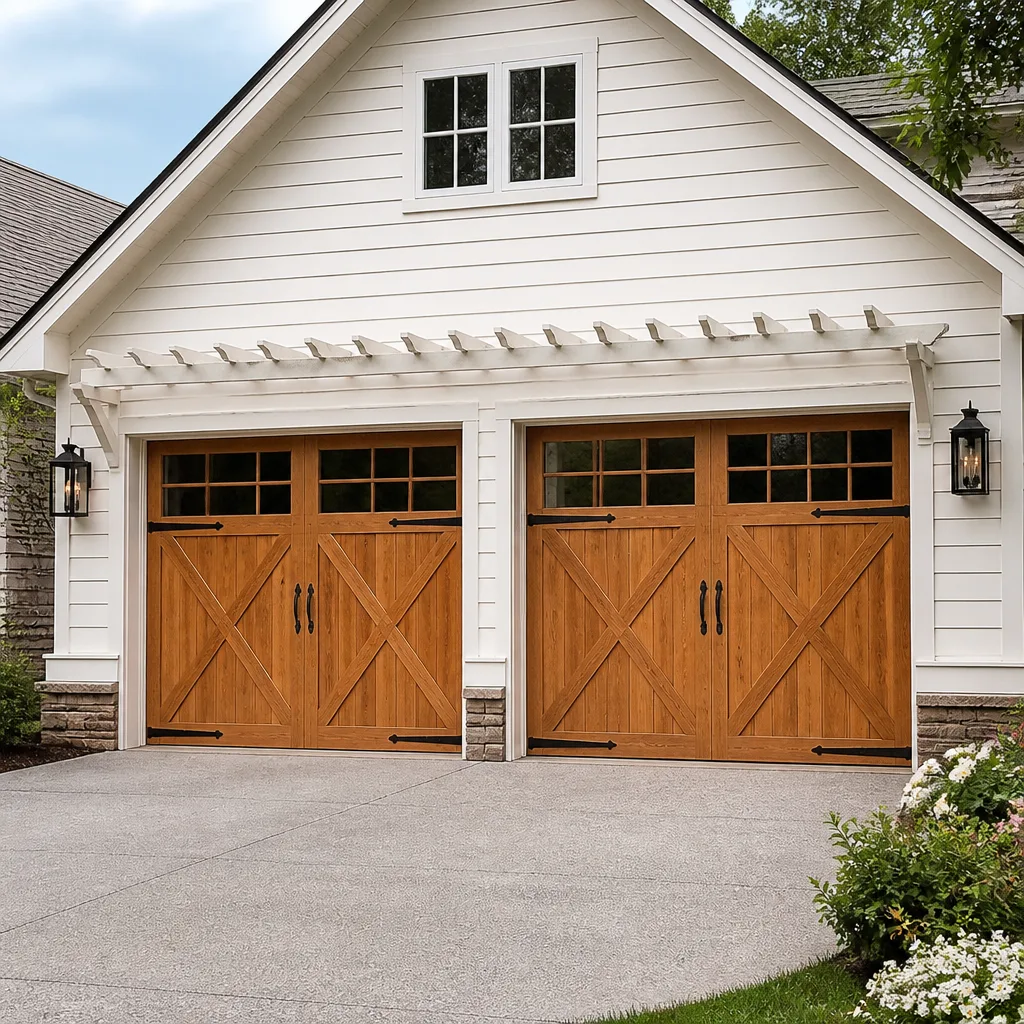 Carriage house
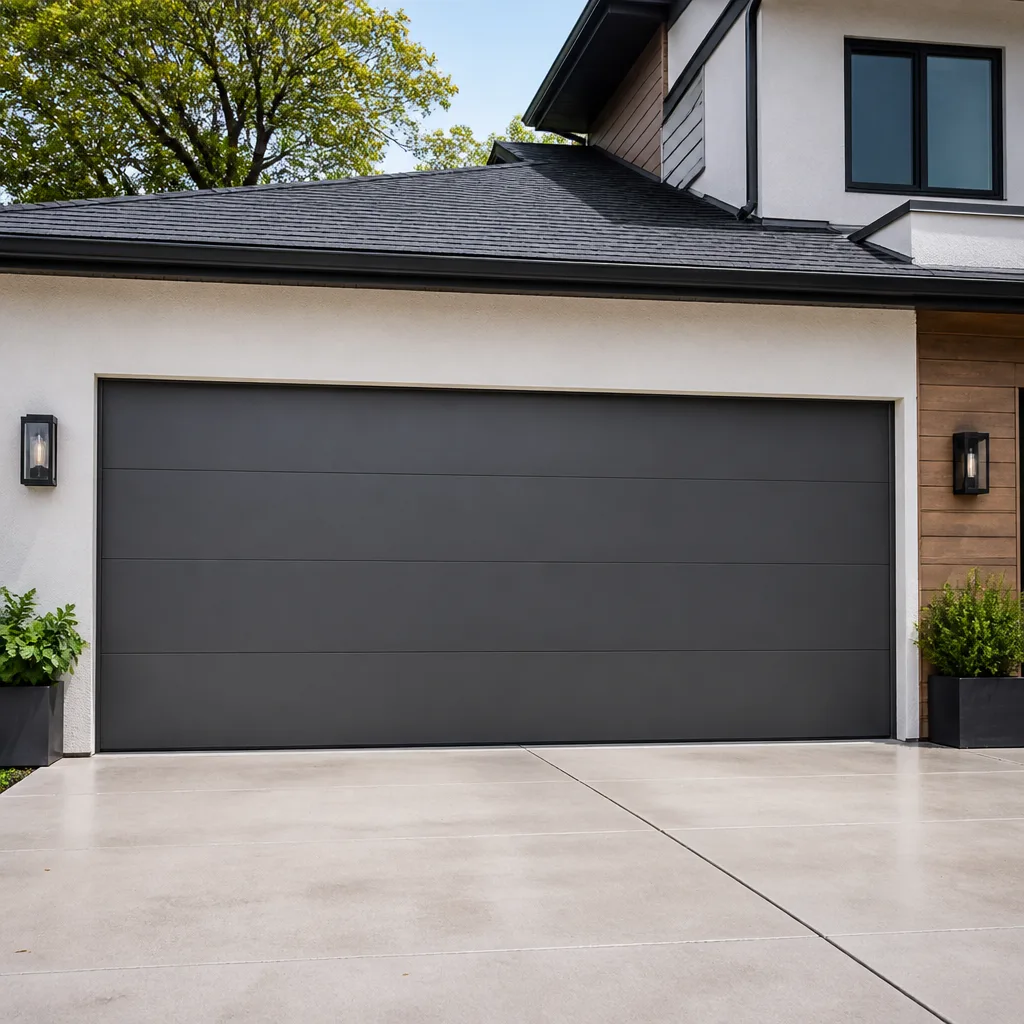 Modern flush
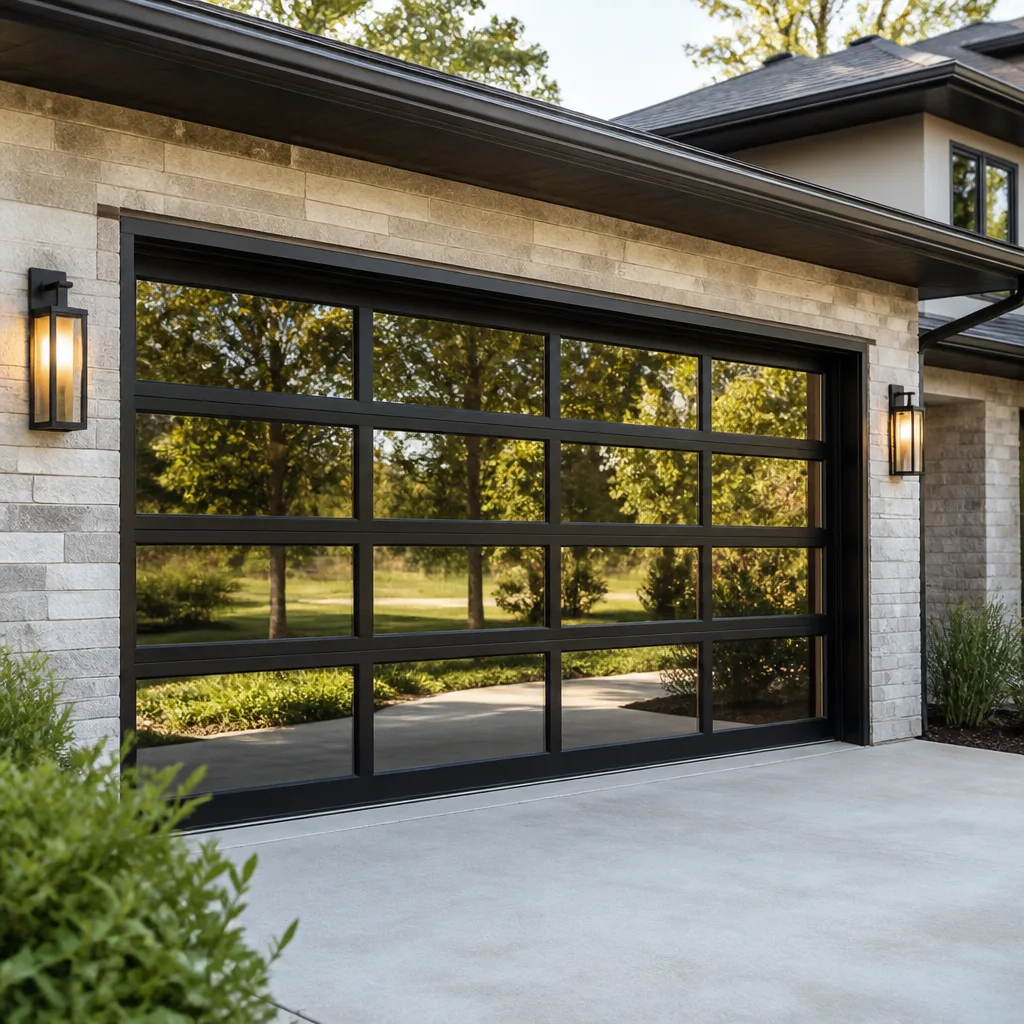 Full-view glass
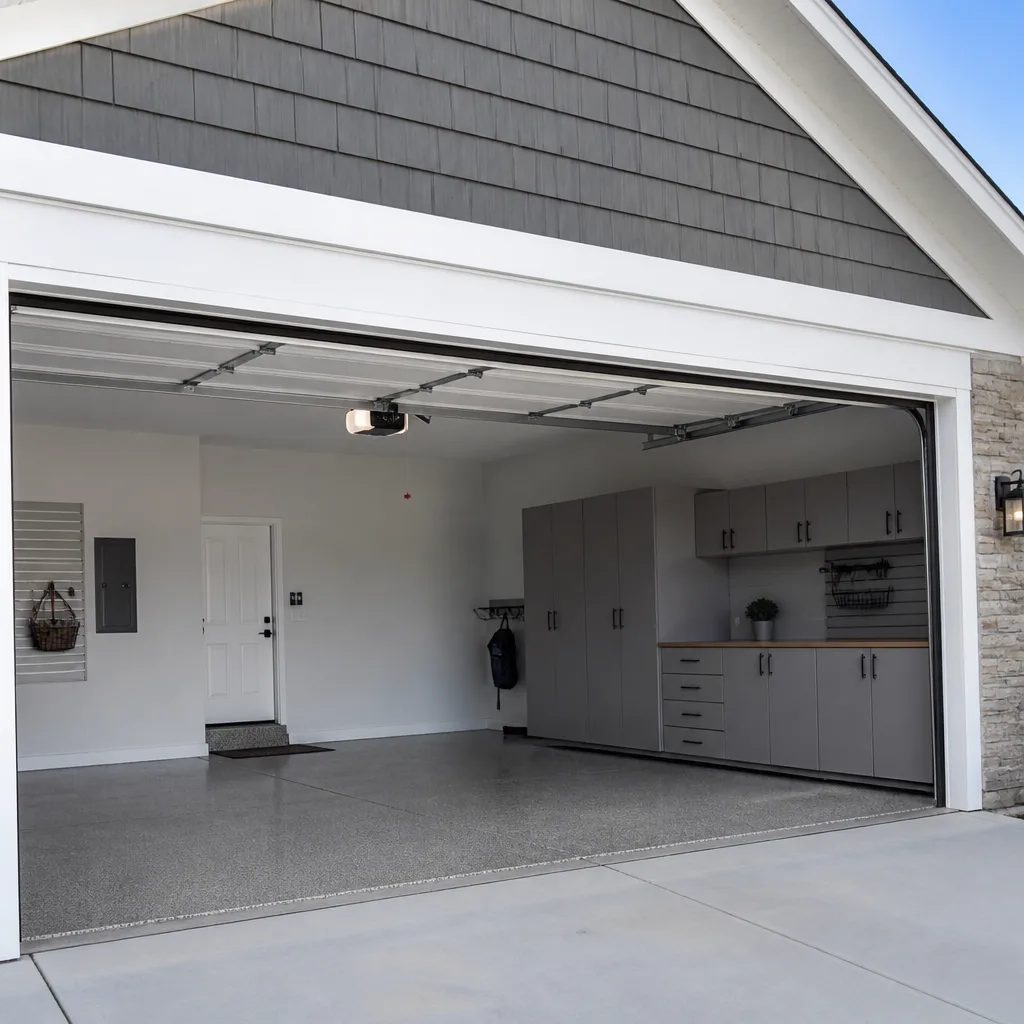 LiftMaster openers
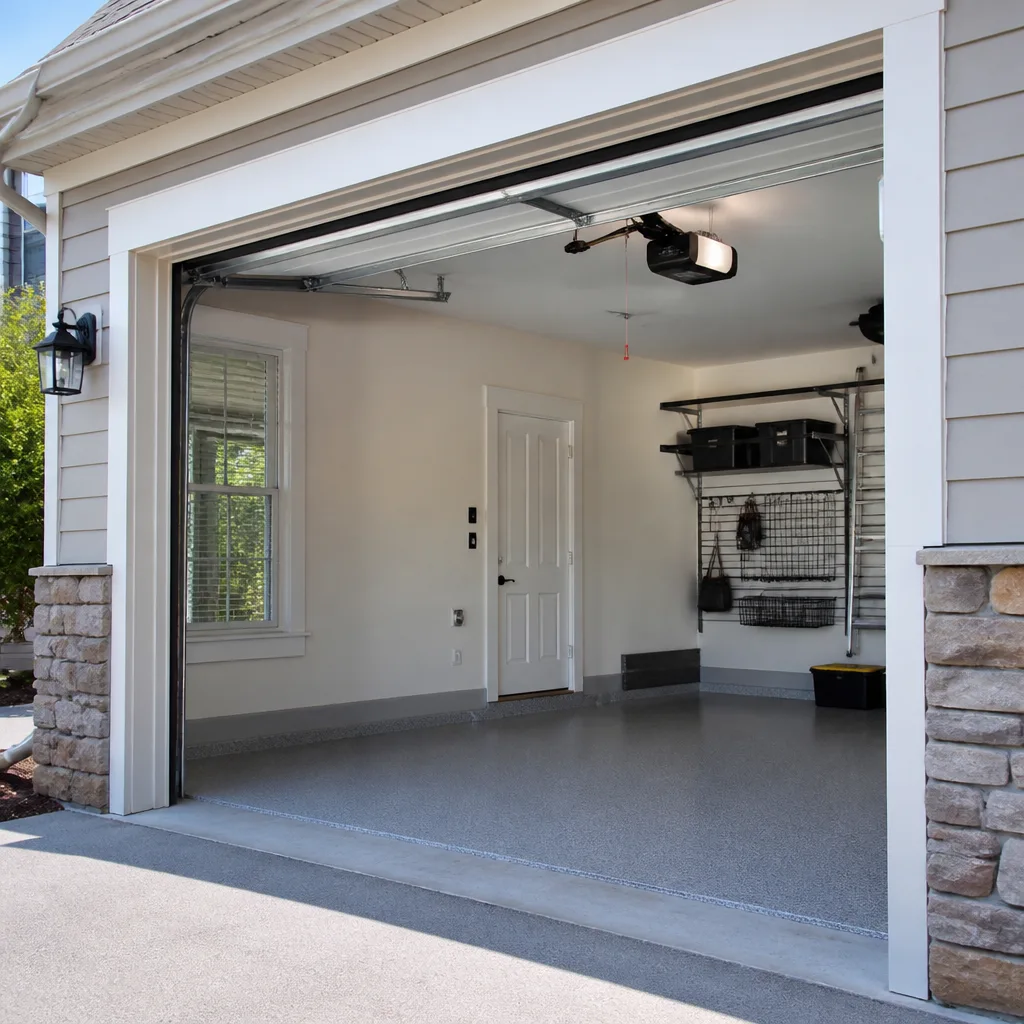 Chamberlain openers
Full 25-point door and opener safety check with every visit - springs, cables, rollers, tracks, and your LiftMaster or Chamberlain opener included
You get a price before we start. It does not change when the pro arrives.
Get your free estimateSeasonal Garage Door Care for Mount Lebanon: Year-Round Homeowner’s Guide
Most homeowners treat garage door maintenance as a once-a-year chore, usually in spring, usually after something already sounds wrong. That timing is backwards. A garage door in Mount Lebanon takes its hardest hits between October and March, and the parts that fail are the ones nobody touched in September. The metal hardware on a door expands and contracts through every freeze-thaw swing of a western Pennsylvania winter, and by February a torsion spring that felt fine in October is running near the edge of its fatigue limit. This guide is a calendar, not a checklist. You’ll learn what to do each season, what to leave to a trained technician, and how to tell normal material movement from a part that’s telling you it’s done.
Quick Answer
Seasonal garage door care in Mount Lebanon comes down to four windows: lubricate springs and hardware and replace the bottom seal before the first freeze in October, protect the door from freezing shut in December through February, inspect cables and hardware for winter damage in March and April, and check opener sensitivity and wood panel swelling in June through August. Handling each task before its season peaks costs far less than repairing the damage afterward.
Styles & brands we work with
- Raised-panel steel
- Carriage house
- Modern flush
- Full-view glass
- LiftMaster openers
- Chamberlain openers
Table of Contents
- Fall in Mount Lebanon: The October Work That Saves Your Winter
- Winter: What to Do When the Door Freezes Shut
- Spring: The Post-Freeze Inspection Checklist
- Summer: Humidity, Wood Panels, and Opener Sensitivity
- Normal Movement vs. a Real Repair: How to Tell the Difference
- The Full Mount Lebanon Garage Door Calendar at a Glance
- Common Mistakes to Avoid
- When to Call a Professional
Fall in Mount Lebanon: The October Work That Saves Your Winter
October is the single most valuable month on the garage door calendar in Mount Lebanon, and it’s the one most homeowners skip. Once the first hard freeze arrives, everything you meant to do becomes harder, colder, and more expensive. The work you do now determines whether your door coasts through winter or fights you until March.
The freeze-thaw cycle is the reason. Water gets into small gaps, freezes, expands, and pushes materials apart. It repeats dozens of times across a Mount Lebanon winter. Metal contracts and expands with each swing, and hardware that was snug in September works itself loose by January. Rubber gets stiff and brittle. Lubricant that was adequate in warm weather thins out or dries.
Here’s what October should include:
- Lubricate the torsion springs and all moving hardware. Rollers, hinges, bearing plates, and the spring coils themselves benefit from a proper garage door lubricant, not household oil and not grease that attracts grit. This is the cheapest hour of maintenance you’ll do all year.
- Replace the bottom seal before it freezes to the floor. A cracked or flattened bottom seal lets meltwater and cold air under the door. Once it’s frozen to the concrete, prying it loose can tear it and damage the bottom section. Replace it while it’s still flexible.
- Test the auto-reverse safety feature. Put a roll of paper towels or a 2×4 flat on the floor in the door’s path and close the door. It should reverse on contact. If it doesn’t, stop using the door and get it looked at.
- Test the photo-eye safety sensors. With the door open, wave an object through the beam. The door should not close, or should reverse immediately.
- Clear gutters and the apron area. Fall debris around the door frame and on the tracks becomes trapped ice later. A few minutes with a leaf blower in October saves a lot of chipping in January.
- Check the balance of the door. Disconnect the opener and lift the door halfway by hand. It should stay put. If it drops or rises on its own, the springs are out of balance and need attention before winter stress makes it worse.
If any of that testing turns up a problem, it’s much easier to schedule garage door repair in October than in a January cold snap. Free estimates make the decision simple, and upfront pricing means no surprises.
Winter: What to Do When the Door Freezes Shut
When a garage door freezes shut in Mount Lebanon, the right move is to free the seal from the floor with warm water or a gentle pry, never to force the opener. The opener is a lifting machine, not a breaking machine. When it meets a door that’s bonded to the concrete, something gives, and it’s usually the opener’s gear, the drive belt, or a torsion cable under sudden load.
What to do:
- Pour warm (not boiling) water along the bottom seal where it meets the concrete, or use a hair dryer on low along the seal line.
- Once the seal releases, clear any ice from the floor in the door’s path before you run the opener.
- Check the tracks for ice. A thin sheet of ice in the track will bind the rollers and stall the door mid-travel.
- Never chip ice out of a track with a metal tool. You’ll gouge the track and the roller will never run clean again. Use warm water or let it melt.
What not to do: never run the opener repeatedly against a stuck door hoping it breaks free. Never pull the manual release on a door with a broken spring to see if it’ll open. A door with a failed torsion spring can come down hard and fast, and that’s a genuine injury risk. Leave spring work to a trained technician.
Ice on tracks is a Mount Lebanon winter reality, especially on north-facing garages where meltwater refreezes overnight. A little de-icer or sand at the apron helps, and keeping the area around the door clear of snow piles keeps meltwater from pooling at the threshold in the first place. If you’re dealing with a failed spring in the middle of winter, our garage door spring repair handles that as a dedicated specialty rather than an afterthought. We answer 24/7. Fast dispatch from 7am to 7pm, Sunday through Friday.
Spring: The Post-Freeze Inspection Checklist
March and April in Mount Lebanon are inspection months. Winter does its damage quietly, and the thaw is when you find out what it did. Cables stretch under months of tension cycling, hardware rusts from road salt tracked in on the car, and a door that ran smooth in November can sound like a machine full of gravel by the first warm day.
Work through this list once the ground thaws:
- Inspect the cables for fraying. Look along the length of each cable where it meets the drum and the bottom bracket. Frayed strands, kinks, or a cable that’s jumped its drum are all stop signs. Cables are under high tension and should only be handled by a trained technician.
- Check hardware for rust. Road salt gets tracked in on tires and splashes onto the bottom brackets, hinges, and rollers every winter. Surface rust is cosmetic. Pitting and seized rollers are not, and a seized roller will wear a track flat over time.
- Look for rust on the springs themselves. A light surface coating is normal. Deep flaking or visible thinning is a sign the spring is closer to failure than its age suggests.
- Re-test auto-reverse and photo eyes. Cold stiffens the rubber on the bottom seal, and a stiff seal can change how the door responds to contact. Re-test once the weather warms.
- Check the bottom seal again. If it froze to the floor repeatedly, it may now be torn or deformed. That’s a simple replacement.
- Clean the tracks. Winter grit and salt collect in the track channel. Wipe it out rather than spraying lubricant into it; tracks should be clean and dry, not greasy.
If anything on that list looks wrong, don’t wait. A frayed cable or a spring showing deep wear is the kind of thing that gets worse quietly. Our technicians have up to 10 years of experience across LiftMaster, Chamberlain, Genie, Clopay, Amarr, Wayne Dalton, Craftsman, and Raynor equipment, so the odds are good we know your door and your opener.
Summer: Humidity, Wood Panels, and Opener Sensitivity
Summer is the season homeowners in Mount Lebanon most often ignore, which is a mistake if you have a wood or wood-composite door. Western Pennsylvania humidity is real, and wood sections absorb moisture and swell. A door that fit perfectly in February may start to bind in July, and the opener takes the strain.
Two things happen in hot, humid weather that affect a garage door:
- Wood and composite panels swell. The swelling changes the door’s weight and its fit in the tracks. Sections can scrape, and the door may run heavier than it did in cold weather.
- The opener’s sensitivity setting drifts. Most openers have a sensitivity or force adjustment that governs how hard the motor pushes before it reverses. As door weight changes with the season, the setting that worked in winter may trip the reverse function in summer, or worse, may not trip when it should.
Testing opener sensitivity is a simple seasonal habit: close the door on a flat object and confirm it reverses immediately. If the door reverses halfway through normal travel without any obstruction, or if it pushes hard against an obstruction before reversing, the sensitivity setting needs adjustment. That’s a quick check for a technician. It’s also a good moment to glance at the opener’s manual and confirm your model’s settings, whether you’re running a legacy Craftsman unit or a newer LiftMaster or Chamberlain with myQ connectivity. If the opener is behaving oddly, that’s a job for garage door opener repair rather than guesswork.
Summer is also the time to clean and inspect seals and weatherstripping on the sides and top of the frame. Heat can make them brittle, and a dry, cracked side seal lets in both weather and pests.
Normal Movement vs. a Real Repair: How to Tell the Difference
Here’s the judgment call every homeowner eventually faces: is that new noise, rattle, or slight change in how the door moves just the seasons, or is it a part on its way out? In Mount Lebanon, the honest answer is that a certain amount of seasonal change is normal. Materials expand in heat and contract in cold. Lubricant behaves differently at 20 degrees than at 80. A door that creaks a little differently in January than July isn’t necessarily failing.
What separates normal from a repair need:
- Sound. A dull creak in cold weather is normal. A grinding, scraping, or snapping sound is not. If you hear metal on metal, stop using the door.
- Speed and travel. The door should open and close at a steady pace and land flush with the floor. A door that slows near the top, stops short, or reverses on its own has a problem.
- Balance. Disconnect the opener and lift the door halfway. If it won’t stay put, the springs are out of balance. That’s a repair need, not a seasonal quirk.
- Visual change. A gap at the bottom seal, a bent track, a stretched cable, or a visibly worn spring aren’t seasonal. They’re wear.
- Timing. Changes that appear with a season and disappear with it are usually material movement. Changes that persist or worsen are usually mechanical.
When in doubt, a professional inspection answers the question quickly and cheaply. The price is quoted and agreed before any work starts, so there’s no pressure to approve anything you don’t need. We take a repair-first approach; if a part can be fixed rather than replaced, that’s what we recommend.
The Full Mount Lebanon Garage Door Calendar at a Glance
Here’s the whole year on one page, built for Mount Lebanon’s specific climate rather than a generic national checklist.
- October: Lubricate springs and hardware, replace the bottom seal before it freezes, test auto-reverse and photo eyes, check door balance, clear gutters and the apron.
- November: Final pre-freeze check. Confirm the seal sits flat, clear any remaining debris, make sure the door closes flush.
- December through February: Watch for ice on tracks, keep the apron clear, free a frozen seal with warm water rather than the opener, never chip ice out of tracks with metal tools.
- March and April: Post-freeze inspection. Check cables for fraying, hardware for rust from road salt, springs for deep wear, and seals for winter damage. Clean track channels.
- May: A good month for any deferred repair before summer humidity arrives.
- June through August: Check wood and composite panels for swelling, re-test opener sensitivity as door weight changes, inspect side and top weatherstripping for heat damage.
- September: Transition month. Re-lubricate before the cold returns and confirm the door is balanced going into fall.
If you only do two things all year, make them October lubrication and the March cable and spring inspection. Those two windows catch the most common failures before they turn into emergency calls. Our technicians have up to 10 years of experience, and we work on whatever you already own, from older Craftsman openers to Raynor door hardware, without pushing a replacement you don’t need.
Common Mistakes to Avoid
- Forcing the opener against a frozen door. The opener will lose that fight, and the repair is more expensive than a few minutes with warm water. Free the seal first, then run the door.
- Skipping the October lubrication. It’s the cheapest maintenance on the calendar and the easiest to forget. Dry springs and hinges work harder and wear faster all winter.
- Chipping ice out of the tracks with a metal tool. You’ll gouge the track and the roller will never run clean again. Warm water or a gentle melt is the right answer.
- Assuming a seasonal creak is a failure. Some change in sound and feel with the seasons is normal in Mount Lebanon. Grinding, scraping, and balance problems are the real signals.
- Assuming a persistent noise is normal. The opposite mistake, and a more expensive one. A noise that gets worse over weeks is a part wearing out, not the weather.
- Never testing auto-reverse. It’s a safety feature, and it’s tested in seconds. If it fails, the door shouldn’t be used until it’s fixed.
- Ignoring road salt on the bottom hardware. Winter salt tracked in on tires attacks bottom brackets, hinges, and rollers first. A quick rinse and a look each spring keeps those parts running.
When to Call a Professional
Some garage door tasks belong to a trained technician, and it’s worth being honest about which ones. Any work on torsion springs or cables is the clearest example. Those parts store enormous energy, and a spring that lets go from a wrong angle can cause serious injury. Don’t attempt that yourself. Beyond that, call a professional if the door won’t stay balanced when you lift it by hand, if you see a frayed or kinked cable, if the door is off its track, if the opener reverses on its own, or if a repair you made seems to have made the noise worse. Those are all signs the door needs a proper diagnosis rather than more guesswork. Garage Door Repair Mount Lebanon offers free estimates in Mount Lebanon. Call (877) 640-9337. We answer 24/7. Fast dispatch from 7am to 7pm, Sunday through Friday. If the door won’t come up, a spring has let go, or the door is stuck halfway and off its track, call us and we’ll get a technician out to you.
See the difference
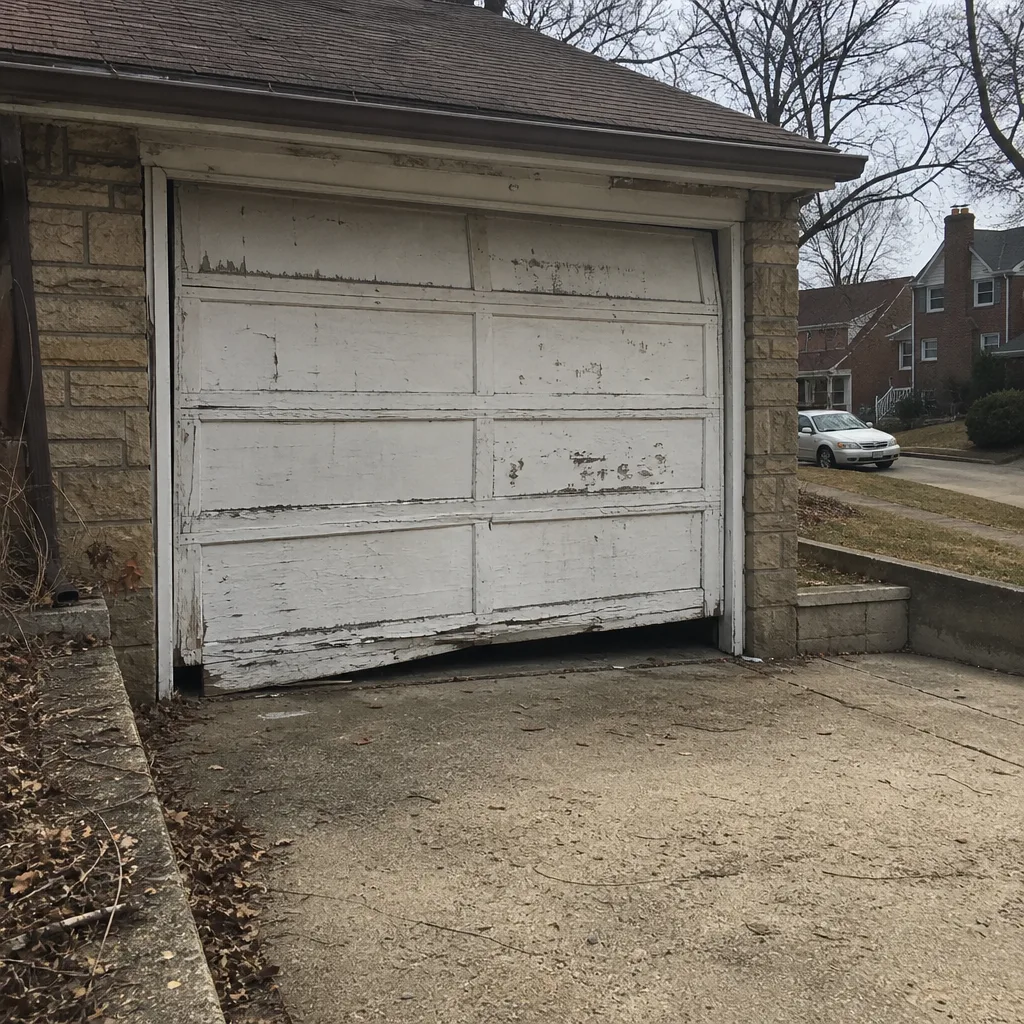 Before
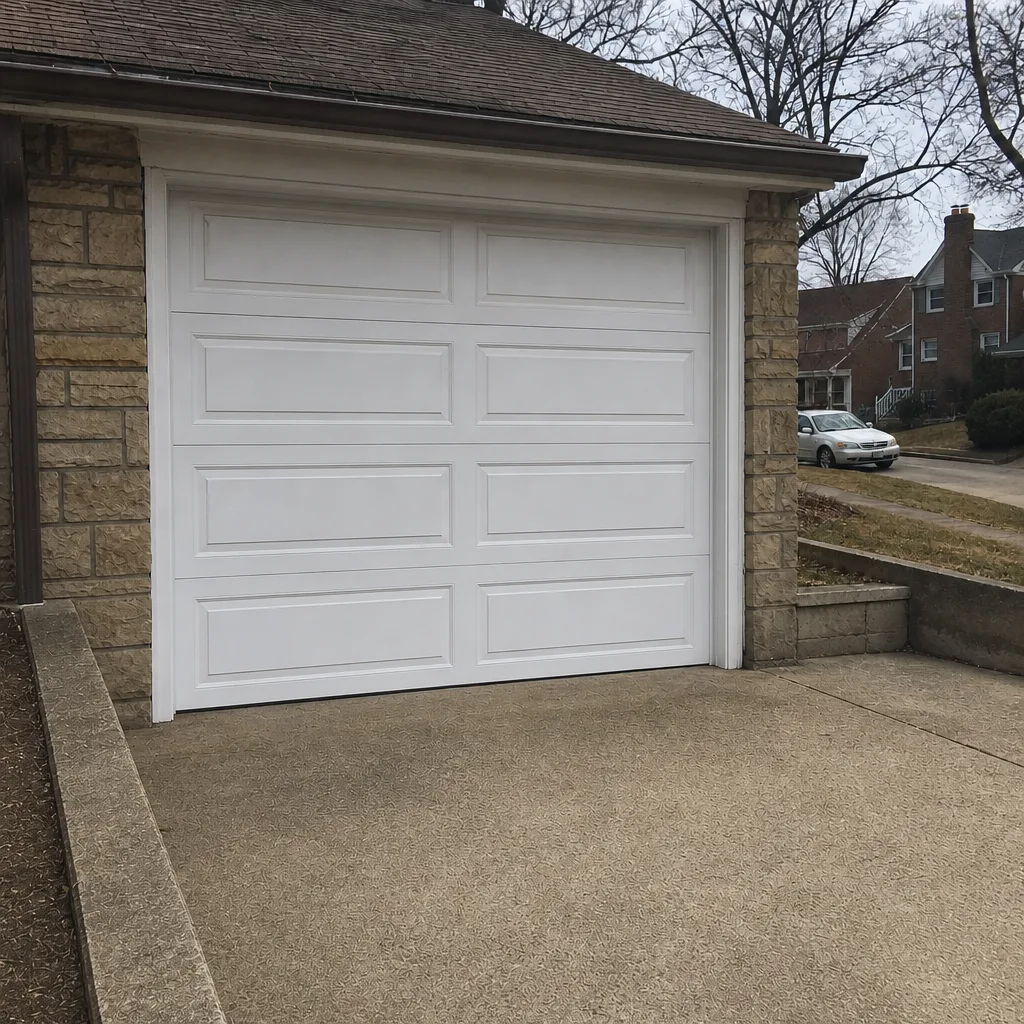 After
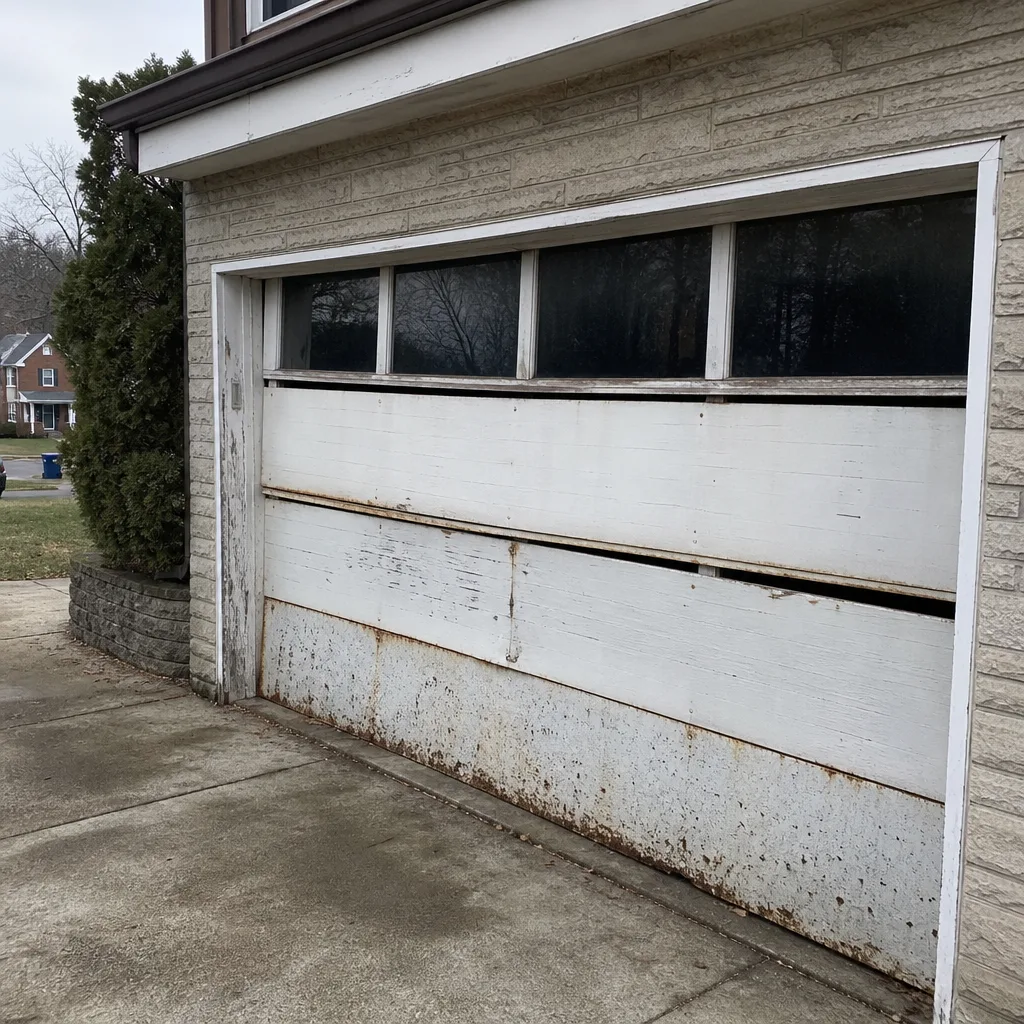 Before
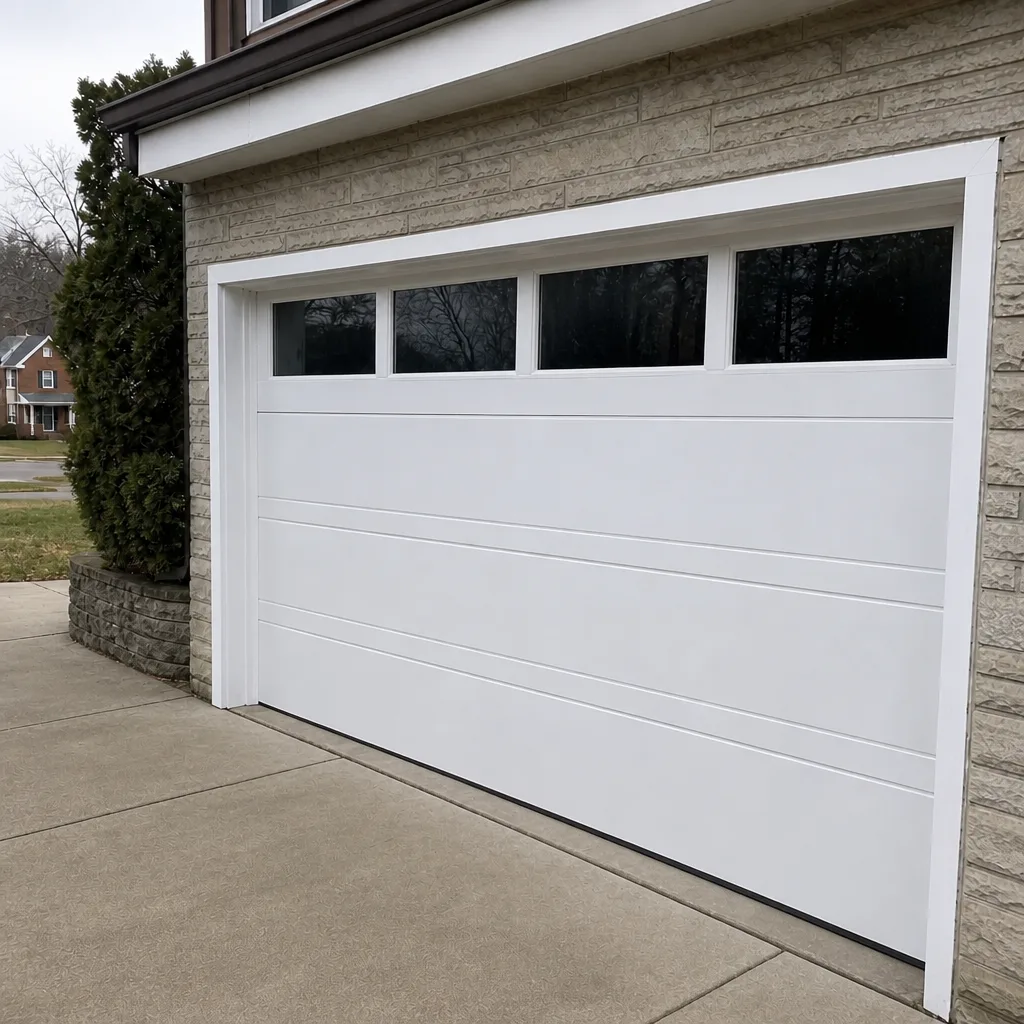 After
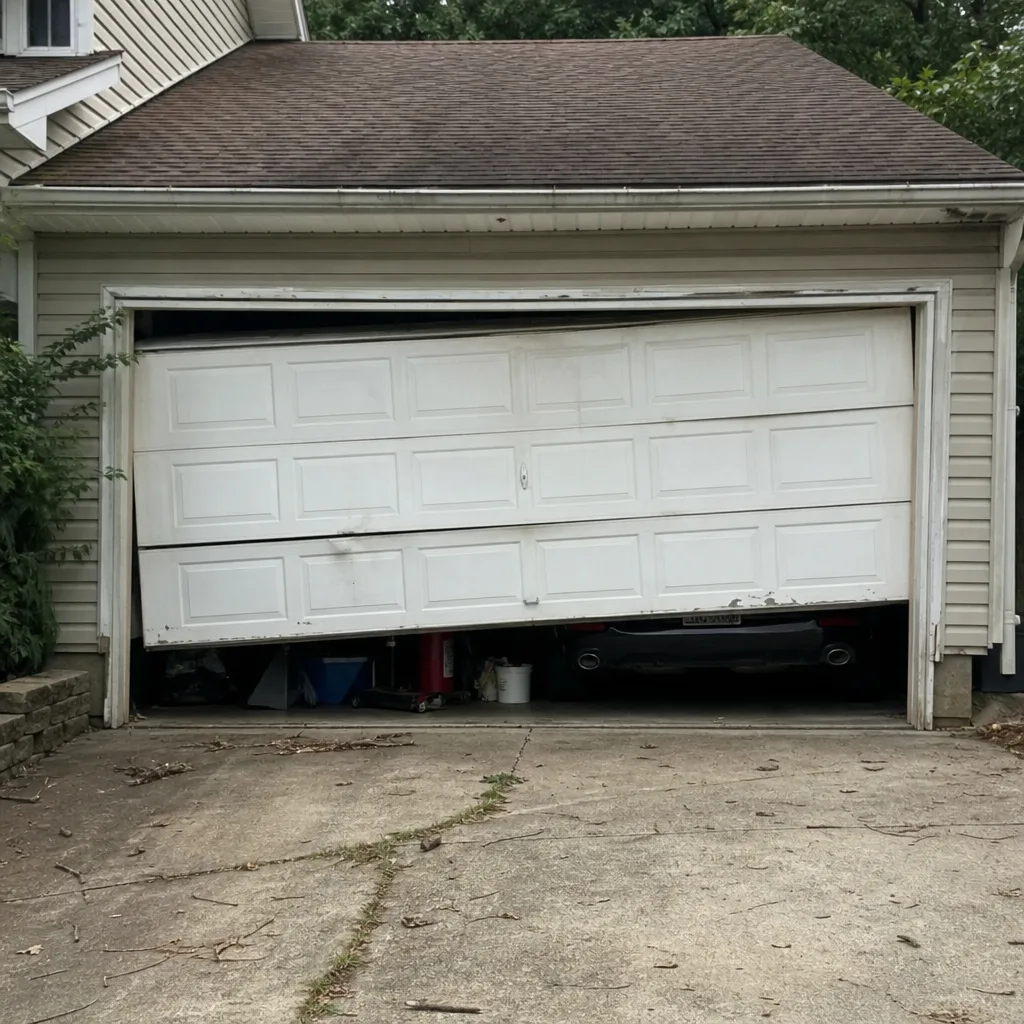 Before
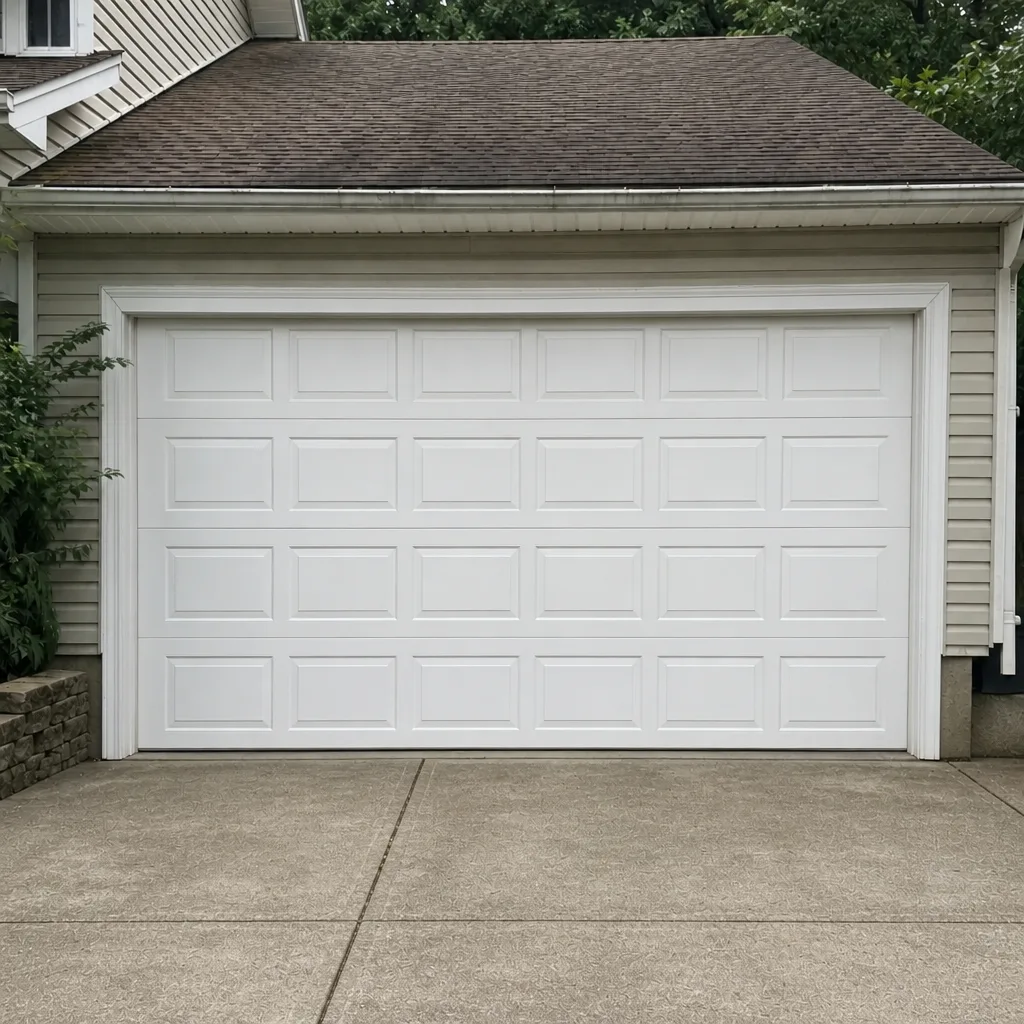 After
Frequently Asked Questions
Twice a year is enough for most Mount Lebanon homes: once in October before the first freeze and once in March after it. Those two visits catch the seasonal wear that causes most failures, and everything else is a quick visual check you can do yourself.
Meltwater runs under the bottom seal and refreezes overnight, bonding the door to the concrete. A stiff or torn bottom seal makes it worse. Free the door with warm water rather than running the opener, and replace a worn bottom seal before the cold sets in. If it keeps happening, call (877) 640-9337 for a look at the seal and the floor line.
Yes, lubricating rollers, hinges, and bearing plates is a reasonable homeowner task, and it’s the highest-value thing you can do in October. Never try to adjust, unwind, or replace a torsion spring yourself; those carry dangerous stored force and belong to a trained technician.
Yes, up to a point. Metal expands and contracts with temperature, lubricant behaves differently in cold, and wood panels swell with humidity. A dull creak that comes and goes with the weather is normal. Grinding, scraping, or a door that reverses on its own is not.
It depends on the job. A worn roller, a seal replacement, and a spring repair all fall in different ranges, and the written estimate sets the final price before any work starts. The estimate is free. Call (877) 640-9337 for a quote.
Usually one of three things: the door is frozen to the floor, the springs are weak and the cold made them stiffer, or the opener’s sensitivity setting is off for the season. Don’t force it. The opener will fail before the door does. Call (877) 640-9337 and we’ll diagnose it.
The Bottom Line
Garage door care in Mount Lebanon is a calendar, not a checklist. Lubricate and seal in October before the first freeze. Watch for ice in the tracks through winter and never force a frozen door. Inspect cables, hardware, and springs in March once the thaw shows what winter did. Check humidity effects on wood panels and opener sensitivity through summer. Two working sessions a year handles almost everything, and a professional inspection answers the rest. Call (877) 640-9337 for a free estimate. We answer 24/7. Fast dispatch from 7am to 7pm, Sunday through Friday.
Written by the team at Garage Door Repair Mount Lebanon.