
Last updated November 23, 2026
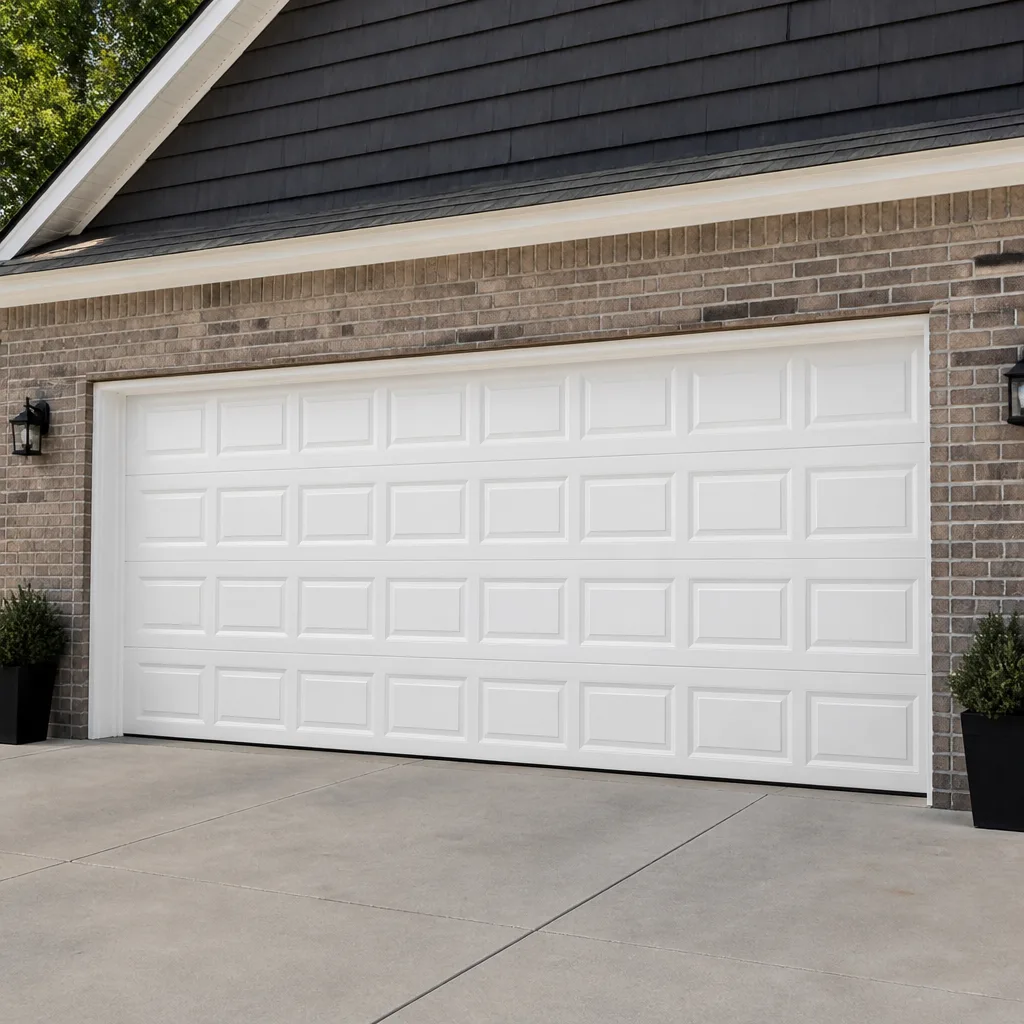 Raised-panel steel
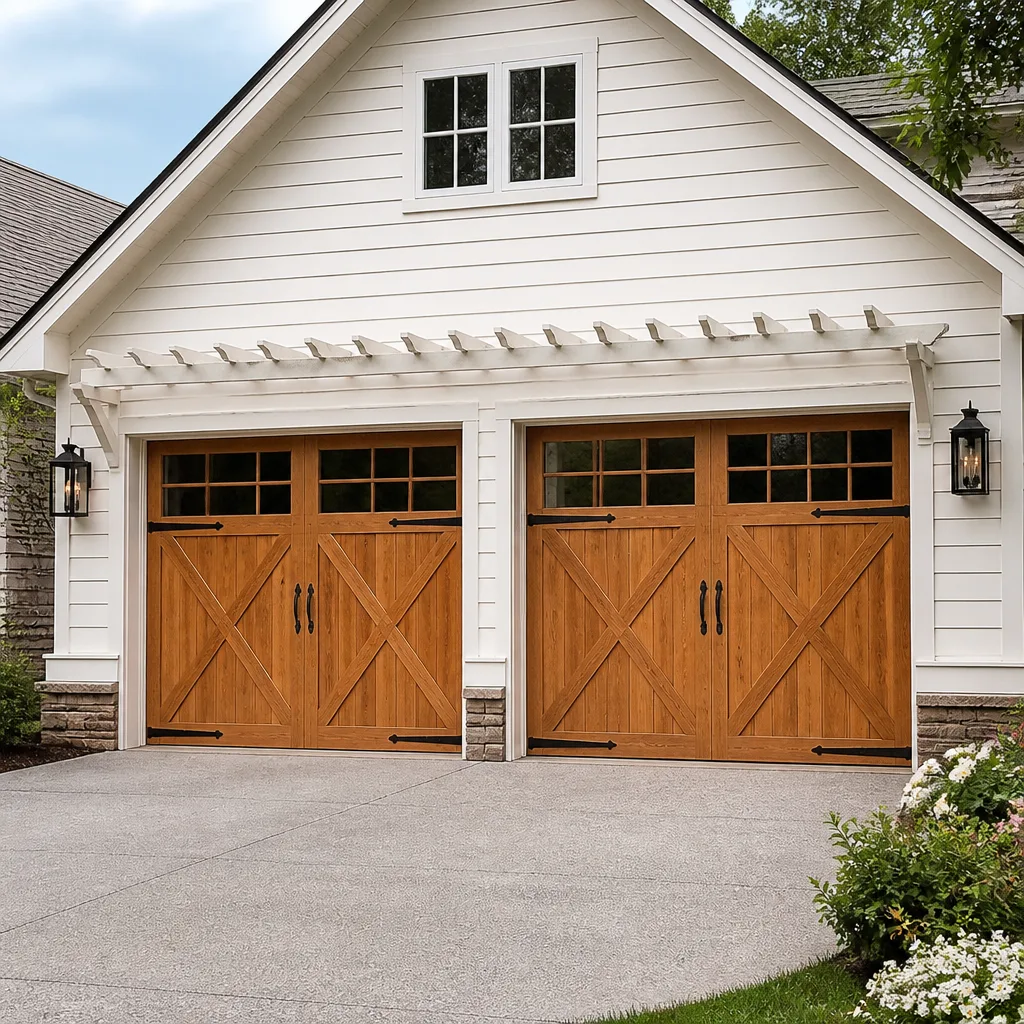 Carriage house
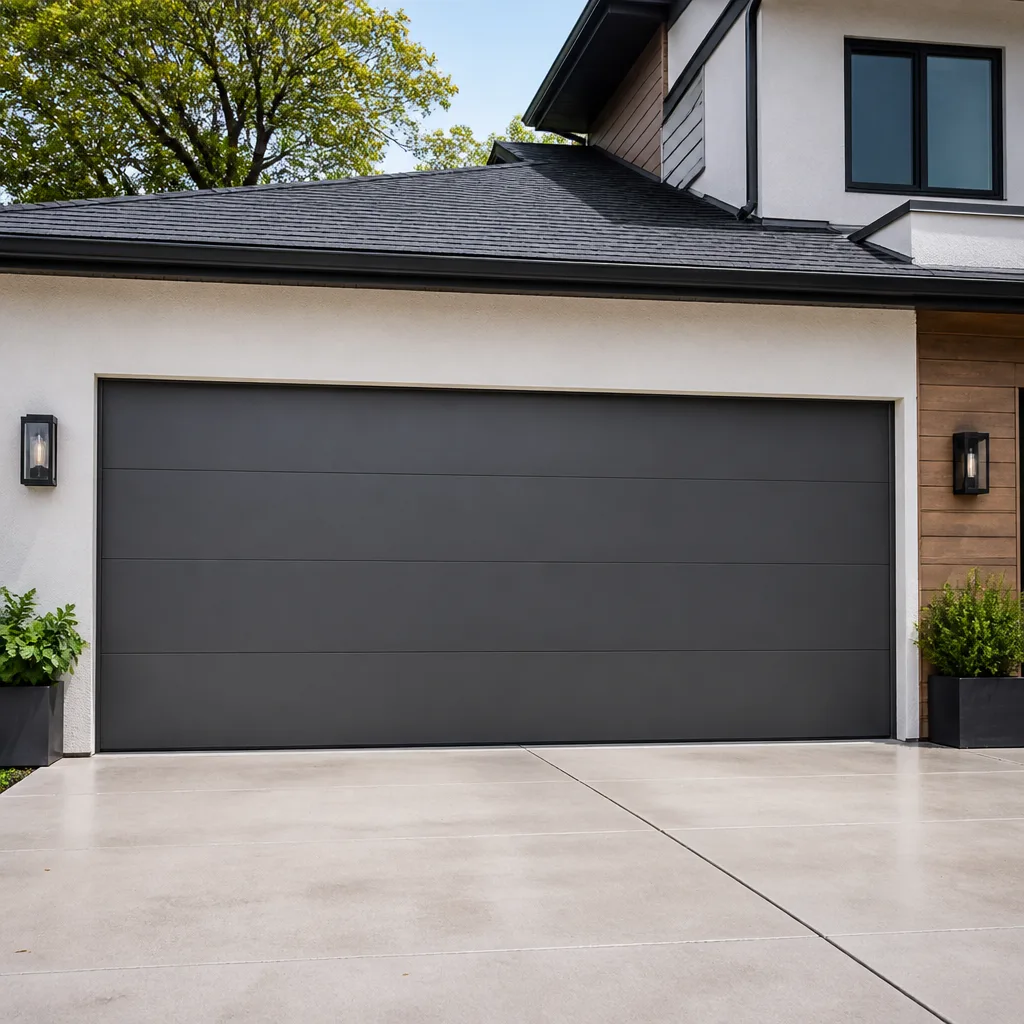 Modern flush
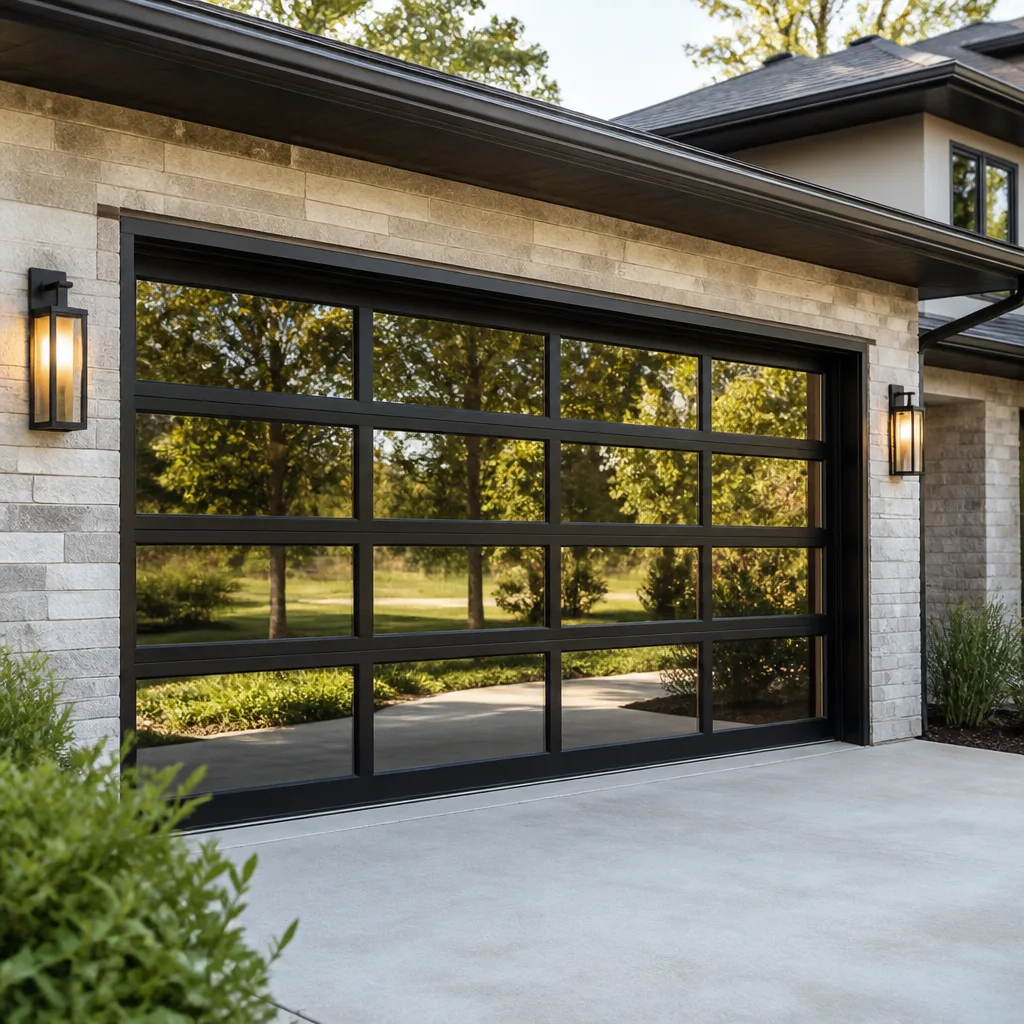 Full-view glass
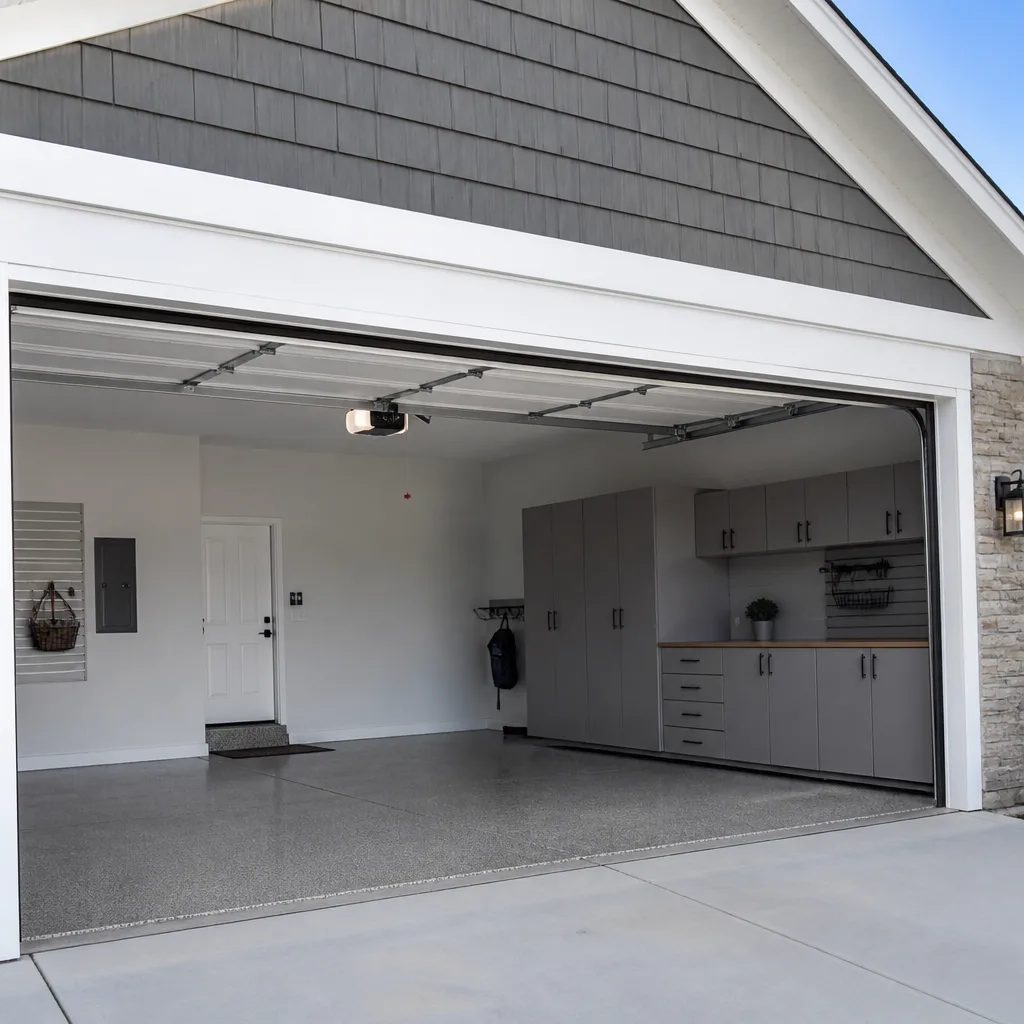 LiftMaster openers
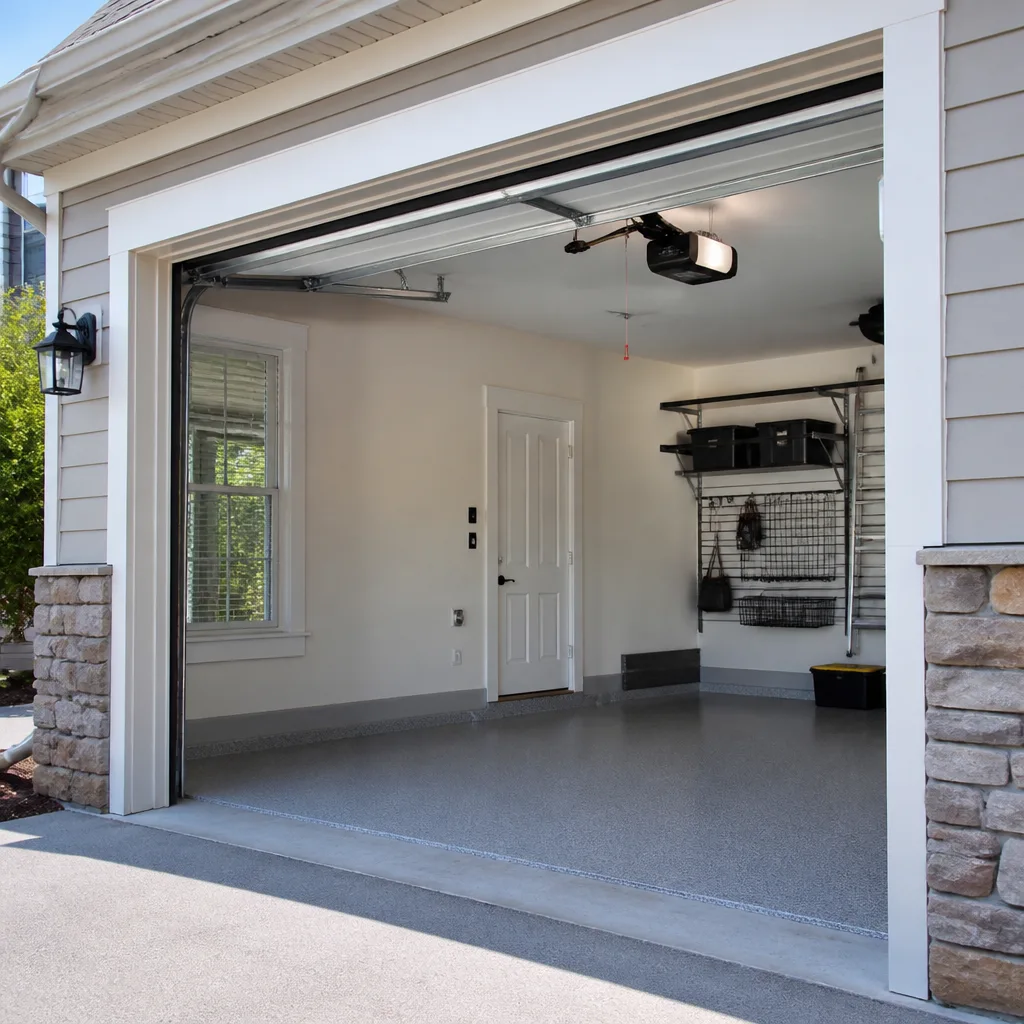 Chamberlain openers
Full 25-point door and opener safety check with every visit - springs, cables, rollers, tracks, and your LiftMaster or Chamberlain opener included
You get a price before we start. It does not change when the pro arrives.
Get your free estimateChoosing the Right Garage Door Brand: A Buyer’s Guide for Mount Lebanon
The brand name on the outside of your garage door is less important than the gauge of steel it’s made from and who makes the hardware inside the panels. Two doors can share a nameplate and have meaningfully different lifespans based on whether they use 25-gauge or 27-gauge steel and die-cast versus stamped hinges. That gap is where most Mount Lebanon homeowners get surprised – not at year one, but at year seven, when the cheaper hardware starts to loosen and the thinner steel shows every impact. In this guide we’ll walk through what actually determines how long a door lasts: steel gauge, insulation core, hardware construction, parts availability, and why the opener is a separate decision entirely. You’ll finish with a shortlist you can defend.
Quick Answer
For most Mount Lebanon homes, the right garage door brand is the one whose steel gauge, insulation core, and hardware you can verify, and whose parts a local service company can actually get. Clopay, Amarr, and Wayne Dalton all make solid residential doors, but the specific model within a brand matters more than the nameplate. Choose 27-gauge or heavier steel for a door facing weather, a polyurethane core if the garage sits under living space, and a brand with locally stocked rollers, hinges, and brackets. Then pick your opener separately, based on your smart-home setup rather than the door brand.
Styles & brands we work with
- Raised-panel steel
- Carriage house
- Modern flush
- Full-view glass
- LiftMaster openers
- Chamberlain openers
Table of Contents
- Why steel gauge matters more than the brand name
- Insulation: polystyrene versus polyurethane in a Pittsburgh winter
- Reading hardware quality on a door you’re considering
- The parts availability reality check for Mount Lebanon
- Door brand and opener brand are independent decisions
- A step-by-step way to choose a door
- Common mistakes to avoid
- Frequently asked questions
Why steel gauge matters more than the brand name
Steel gauge is the number that tells you how thick the skin of a garage door actually is, and it’s the single most useful figure on a spec sheet. The confusing part is that the numbers run backwards: a lower gauge means thicker steel. So 27-gauge steel is heavier and more dent-resistant than 25-gauge, even though 25 is the bigger number on paper. A door rated at 27-gauge or heavier holds up better against the daily knocks of a driveway – a basketball, a bike handlebar, a stray shovel – than a 25-gauge door of the same size and color.
Clopay, Amarr, and Wayne Dalton each sell doors across a range of gauges, which is why buying “a Clopay” or “an Amarr” tells you almost nothing on its own. Within the same brand you’ll find builder-grade panels at 25-gauge and premium lines at 27-gauge or thicker. Two doors sitting side by side in a showroom can carry the same logo and differ by thousands of dents over their service life. The gauge lives on the spec sheet, not the brochure cover, so ask for it in writing before you commit.
Mount Lebanon’s older housing stock – the tree-lined streets around Washington Road, the brick homes closer to the Mt. Lebanon village center, the hillside properties up toward Sunset Hills – tends to have garages that take a lot of daily use as a primary entry. A thin 25-gauge skin on a heavily used door shows wear fast. For a door facing the weather on an exposed driveway, we lean toward 27-gauge or heavier. It’s not marketing; it’s the difference between a panel that shrugs off a hit and one that creases.
What gauge actually means in practice
- 25-gauge: Common on builder-grade doors. Fine for a sheltered, lightly used garage. Dents more easily under daily contact.
- 26-gauge: The middle ground. Slightly stiffer skin, better dent resistance, still a step below premium.
- 27-gauge and heavier: What we recommend for a door that faces wind, weather, and kids. Noticeably more rigid, resists dents and panel flex.
Gauge alone doesn’t tell the whole story – a stiff steel skin on flimsy hinges still fails early – but it’s the right place to start. Get the gauge from the dealer, then look at the hardware that hangs the door.
Insulation: polystyrene versus polyurethane in a Pittsburgh winter
Insulation is where brand marketing gets the most creative and buyers get the most confused. Two doors can both say “insulated” and behave very differently in an attached garage through a Pittsburgh winter. The core material matters, the thickness matters, and – here’s the part most guides skip – the way the steel skin transfers heat around the core matters just as much as the R-value printed on the label.
Polystyrene is expanded foam board. It’s lighter, cheaper, and does a reasonable job on a detached or unconditioned garage. Polyurethane is a denser foam, injected into the panel so it bonds to the steel and adds structural rigidity while insulating better per inch. Polyurethane cores generally deliver a higher R-value in the same panel thickness, and they resist moisture and sagging better over time. For an attached garage that shares a wall or ceiling with a heated room, polyurethane is the more sensible core.
Why R-value isn’t the whole story
R-value measures resistance to heat flow through the core, but heat also escapes around the core – through the steel skin that frames each panel, through the seams between sections, and around the perimeter where the door meets the frame. This is thermal bridging, and a high R-value on a door with thin steel framing and loose weatherstripping doesn’t deliver the warmth the number promises. Look for doors with thermal breaks between the inner and outer skin, tight section joints, and a good perimeter seal. A well-sealed 27-gauge polyurethane door often out-performs a higher-R-value door that’s drafty at the edges.
In a Mount Lebanon winter, an attached garage that stays cold pulls heat out of the room above or beside it all season. Choosing the right core and sealing the perimeter properly does more for comfort than chasing the largest R-value in the catalog. If your garage is detached and unheated, you can spend less on insulation and more on steel gauge and hardware.
Reading hardware quality on a door you’re considering
The panels are the visible part, but the rollers, hinges, and brackets carry the load every time the door opens – and they’re where budget doors cut corners first. Hardware failure is also the most common reason a door starts running rough, jumps its track, or gets noisy. You can assess this before you buy by looking at a few specific components.
The three tells that separate a well-built door from a cheap one
- Roller stems. Look for 10-ball or 11-ball nylon rollers with a steel stem, not plastic stems or narrow 7-ball rollers. Nylon rollers run quieter and wear longer, and a solid steel stem resists bending. Cheap plastic stems crack, and a cracked stem is what drags a door off track.
- Hinge gauge. Hinges should be stamped or die-cast steel at a heavier gauge, not thin stamped metal that flexes. Die-cast hinges hold their shape under load and resist the fatigue that shows up as a sagging, misaligned door after a few years. Ask whether the hinges are die-cast or stamped; on a quality door they’ll be die-cast or heavy-gauge stamped.
- Bottom bracket construction. The bottom bracket anchors the door’s lift hardware and the bottom section. Quality doors use a reinforced or punched bracket rather than a folded tab, and heavier bracket steel means less flex under the tension of the lift system. This is also a safety-critical component – if it fails, the tension releases violently – so construction here matters.
These are all visible or askable before purchase. A dealer who can’t tell you the roller type or whether the hinges are die-cast is selling a door whose long-term behavior they don’t know. We work on LiftMaster, Chamberlain, Genie, Clopay, Amarr, Wayne Dalton, Craftsman, and Raynor equipment, and the hardware tells hold across all of them: the doors that last are the ones with real rollers and heavy hinges.
The parts availability reality check for Mount Lebanon
Here’s a question almost no buyer asks and almost every buyer should: if a hinge, roller, bracket, or bottom section fails five years from now, can a service company near me get the part without a factory order? A door brand with locally serviceable parts keeps you on the road; a brand that requires a factory order turns a two-hour repair into a two-week wait, especially when a part is backordered. This is the availability check the brochure never mentions.
Across the brands we service, the ones with the widest dealer and parts network in the Pittsburgh region – Clopay, Amarr, and Wayne Dalton among them – tend to have the smoothest repair path. Common wear parts like rollers, hinges, and weatherseal are widely stocked by independent service companies, and door-specific components like bottom sections and panel sections are usually available through regional distribution. That matters most during the season when a lot of doors are failing at once, because the shop that can source a part locally fixes you first. When a common part is on the shelf somewhere in the region, a garage door repair visit can often finish the same day; when the part has to be ordered, you’re waiting on a truck.
The takeaway: before you choose a brand, ask a local service company which brands they keep common parts for, and factor that into your shortlist. A door that can’t be serviced locally is only half a door. Parts availability is a practical question you can ask in the same conversation as the price.
Door brand and opener brand are independent decisions
Homeowners often assume the opener has to match the door brand, and it doesn’t. The door is a mechanical panel system; the opener is the motor and control electronics that pulls it up and sets it down. You can put a LiftMaster or Chamberlain opener on a Clopay door, a Genie opener on a Wayne Dalton door, and it works fine as long as the opener is rated for the door’s weight and size. The two are separate purchases, and treating them separately usually gets you a better outcome on both.
How to pick the opener for the door you choose
- Weight and height rating: Match the opener’s lift rating to the door. A heavier 27-gauge insulated door needs an opener rated for its weight; an undersized opener strains and wears out early.
- Smart-home integration: If your Mount Lebanon household already runs smart lighting, a video doorbell, or a home assistant, choose an opener from a line that integrates cleanly – Chamberlain’s myQ and LiftMaster’s connected models are common choices, and Genie has connected models as well. If you’re not a smart-home household, a straightforward belt-drive opener with a solid wall control is all you need.
- Drive type: Belt-drive is quiet and suits a garage under a bedroom or living space. Chain-drive is durable and less expensive. Screw-drive is smooth but heavier on maintenance.
- Battery backup and safety sensors: Check for safety reversing sensors and, if you want the door to work when the power is out, a battery backup option.
Because we service both mechanical door systems and electronic openers, we can tell you when a problem is a door issue (a bound track, a tired spring) versus an opener issue (a failing logic board, a misaligned sensor). That matters: replacing an opener when the real problem is a dragging door wastes money. If your opener is aging and your door is sound, garage door opener repair is often the right call rather than a new opener.
A step-by-step way to choose a door
If you want a repeatable process rather than a brand name to anchor on, this is the sequence we’d walk a homeowner through. It keeps you focused on the criteria that matter at year seven instead of the ones that look good at year one.
- Measure and note the opening. Standard single-car and double-car widths are common, but older Mount Lebanon garages sometimes have non-standard openings. Get the width, height, and headroom measured before you shop, so you’re comparing doors that actually fit.
- Decide insulated or not. Attached garage sharing a wall or ceiling with living space? Choose a polyurethane core. Detached or unheated? You can prioritize steel and hardware instead.
- Get the steel gauge in writing. Ask for the gauge of the door skin and any panel sections. Shoot for 27-gauge or heavier on an exposed, heavily used door.
- Check the three hardware tells. Nylon rollers with steel stems, die-cast or heavy stamped hinges, reinforced bottom brackets.
- Ask about local parts availability. Confirm a service company in the region keeps common wear parts for the brand, or can source them quickly.
- Pick the opener separately. Match the opener to the door’s weight and to your smart-home setup. Don’t let the door brand dictate the opener brand.
- Get a written, itemized price. The estimate should list the door model, gauge, core, hardware, opener, and installation, so you’re comparing like with like. The written estimate sets the final price – the number you’re quoted before work starts is the number that matters.
Follow those seven steps and you’ve done more due diligence than most buyers ever do. The brand falls out of the specs rather than driving them.
How does brand choice affect spring and hardware repair later?
Springs and hardware are the parts of a garage door that fail most often, and brand choice affects how easily they get fixed. Torsion and extension springs are matched to the door’s weight and size – not really to the brand name – so a spring problem is a spring problem on any door. What the brand affects is the availability of the door-specific parts around the spring: the bottom bracket, the lift hardware, the panel sections. If those are locally serviceable, the repair is straightforward; if they aren’t, you’re waiting on a factory order.
Broken springs are also the most dangerous part of a garage door to deal with. A torsion spring under tension can release violently, and the cables and hardware that hold it are load-bearing. This isn’t a DIY repair. Our garage door spring repair is handled as a dedicated specialty precisely because it’s the most common failure point and the one with the most risk. When a spring lets go, the door won’t lift safely, and the fix starts with a trained technician who knows how to unwind and replace the assembly without putting anyone at risk.
What to check on a door’s warranty before you buy
A warranty is only useful if the brand stands behind it and the parts are serviceable. Read the warranty in three layers. First, the door sections: many brands offer a limited lifetime warranty on the steel skin against rust-through, but the fine print often excludes surface rust, scratches, and doors near a humid environment. Second, the hardware: rollers, hinges, and springs are usually covered for a shorter period, and labor is rarely included. Third, the finish: paint and stain warranties vary by brand and by whether the door is factory-finished or field-painted.
Ask specifically whether the warranty is prorated after the first few years, whether it transfers if you sell the house, and what documentation you need to file a claim. A warranty you can’t document is a warranty you can’t use, so keep the model number and spec sheet in a safe place. In Mount Lebanon, where homes turn over and new owners inherit doors, a transferable warranty is worth weighing.
What does a new garage door typically cost in Mount Lebanon?
Garage door pricing varies by size, gauge, insulation, hardware, and whether an opener is included. The ranges below are typical estimates for a standard residential installation in the Mount Lebanon area, not a firm quote. The written estimate sets the final price.
- Single-car door, 25-gauge, non-insulated: roughly $800 to $1,400 installed, depending on hardware upgrades.
- Single-car door, 27-gauge, insulated (polyurethane core): roughly $1,300 to $2,200 installed.
- Double-car door, 27-gauge, insulated: roughly $1,800 to $3,200 installed.
- Premium line with upgraded hardware and finish: typically $2,500 to $4,500 or more, depending on size and options.
- Opener, professionally installed: roughly $350 to $650 depending on drive type, smart-home features, and battery backup.
Installation is measured, ordered, and scheduled – not something that happens the same day you call – so expect a lead time between the measure and the install. Replacement and new-door work is a project, and it’s worth waiting for the right door rather than rushing a decision you’ll live with for years. The written estimate sets the final price, so you know where you stand before anything is ordered. For a specific number on your opening, call and we’ll measure and quote it free.
Common Mistakes to Avoid
- Choosing the brand over the model. “A Clopay” or “a Wayne Dalton” means little without the model and gauge. Two doors with the same nameplate can be a 25-gauge builder door and a 27-gauge premium door, so ask for the model number and the steel gauge in writing.
- Buying an insulated door without checking the seals. A high R-value on a door with drafty edges and thin steel framing loses heat anyway through thermal bridging. Look at the thermal breaks, section joints, and perimeter weatherseal, not just the insulation label.
- Ignoring parts availability. A door you can’t service locally is a door that costs you a week without a garage when a hinge or bracket fails. Ask a local service company which brands they keep common wear parts for before you buy.
- Matching the opener brand to the door brand by habit. The opener is a separate purchase. Choose it for the door’s weight and your smart-home setup, not because it shares a logo with the door.
- Assuming the door and opener fail together. A dragging door can look like an opener problem, and a failing opener can make a sound door seem broken. A diagnosis first saves you from replacing the wrong thing.
- Putting off a spring or track issue. A sagging door, a door that runs rough, or a loud snap are signs to call before the problem gets worse. Springs are a safety hazard, not a minor maintenance item.
- Skipping the written itemized quote. Comparing a lump-sum price from one dealer to an itemized price from another is comparing apples to oranges. Get the model, gauge, core, hardware, and opener all listed, then compare.
See the difference
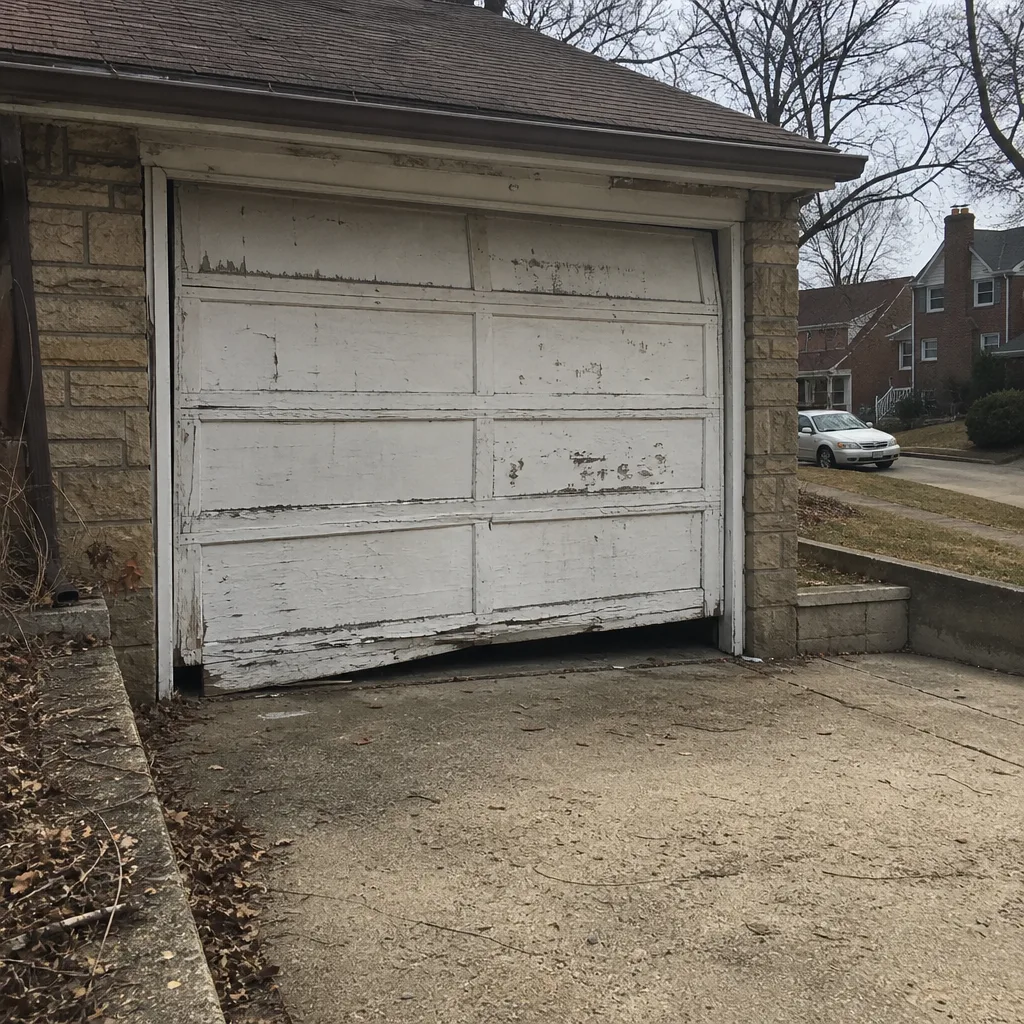 Before
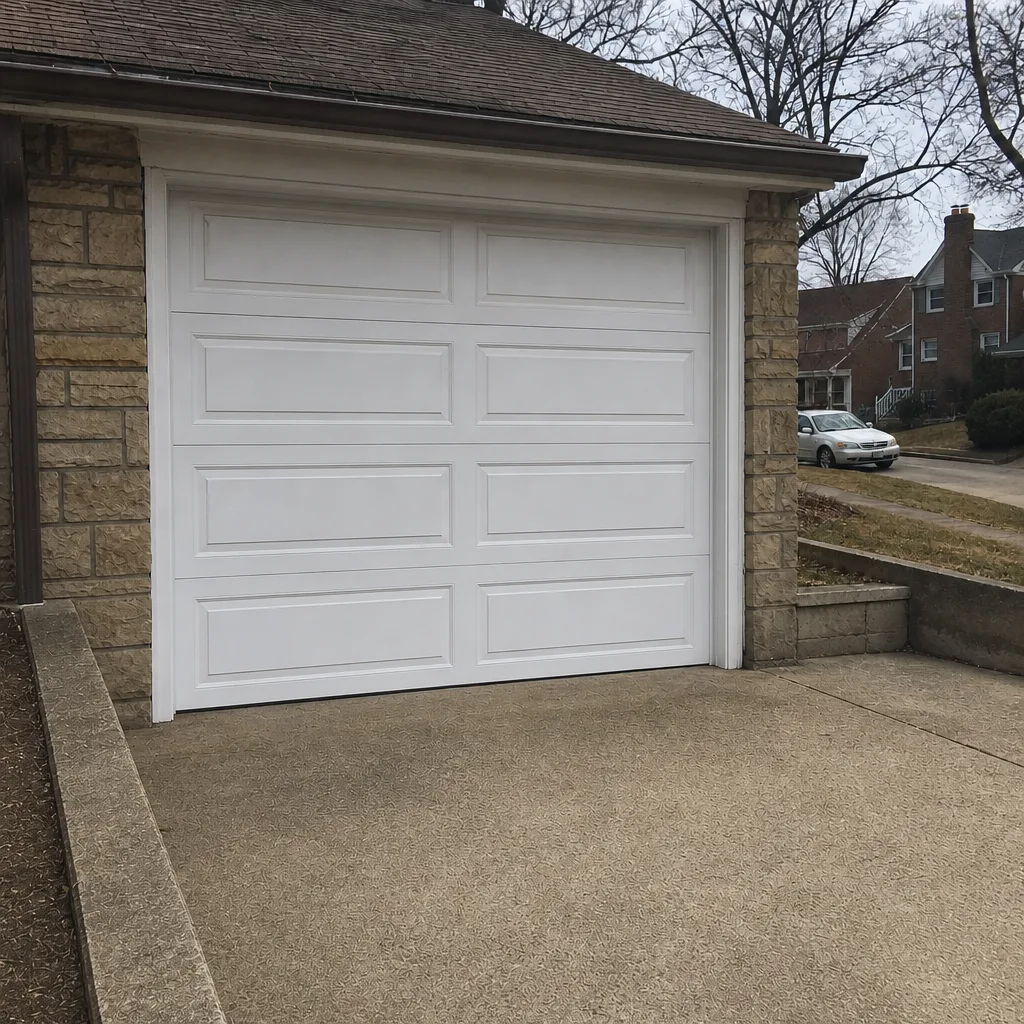 After
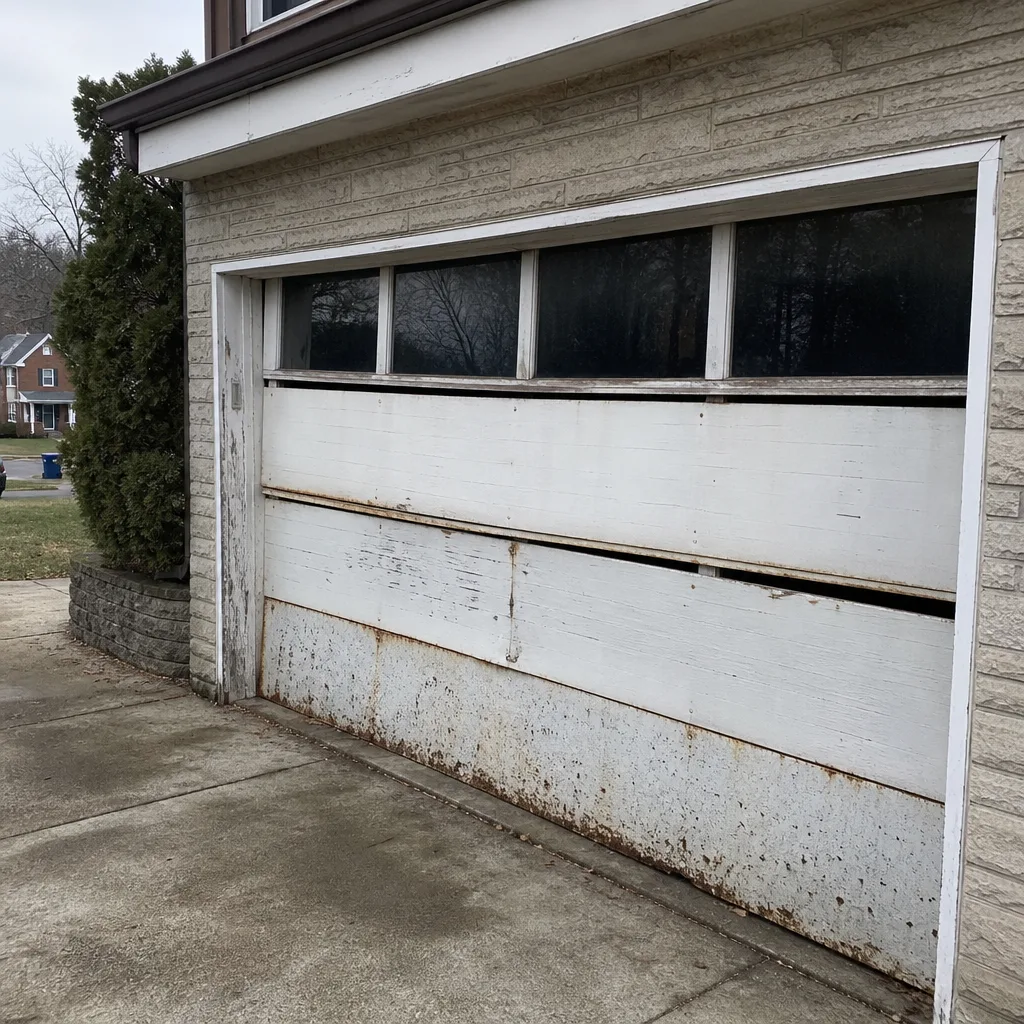 Before
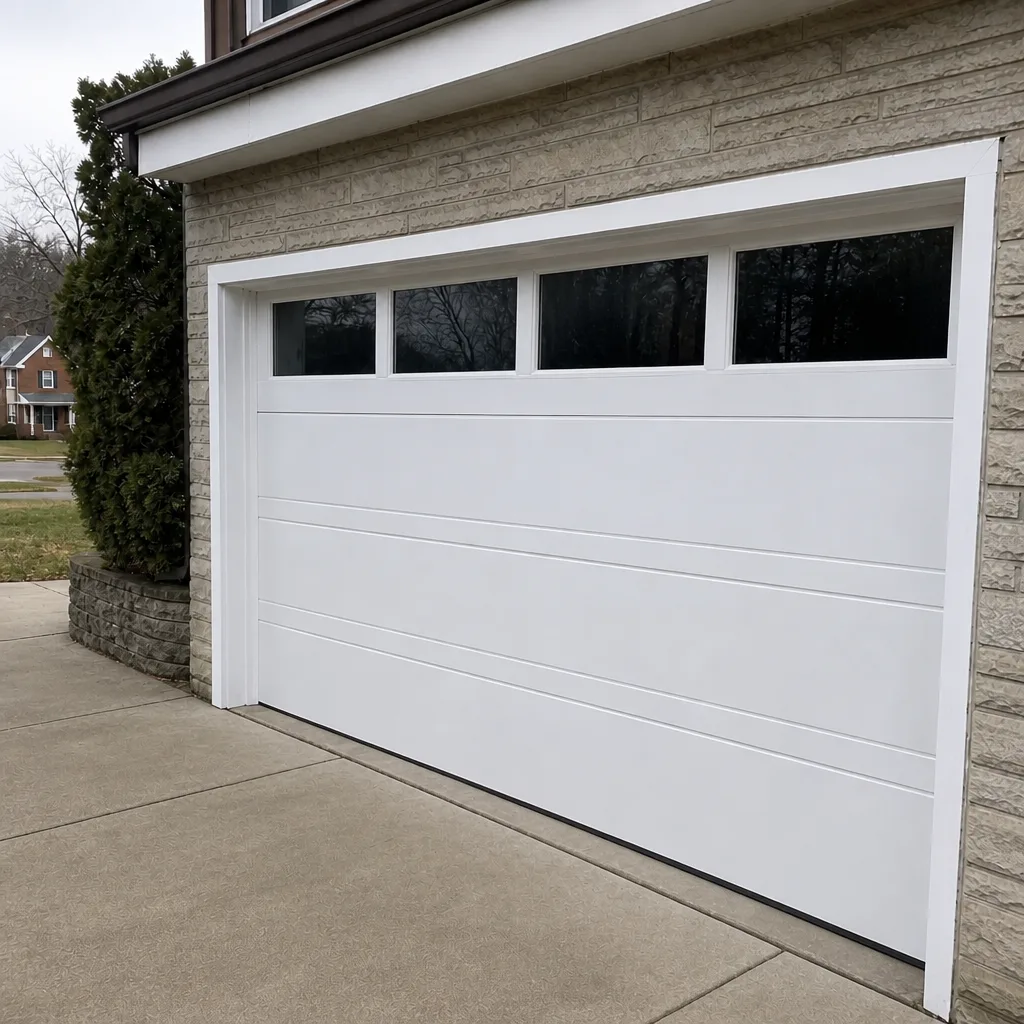 After
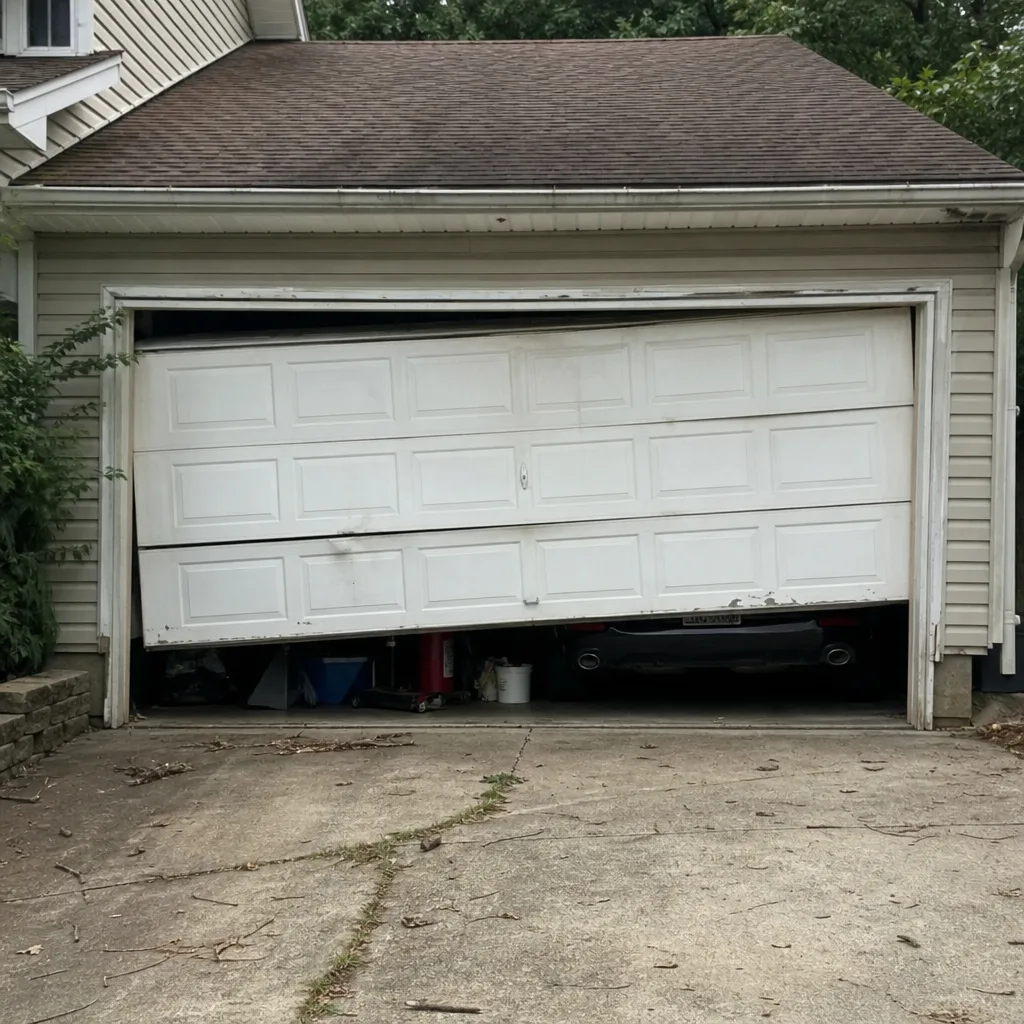 Before
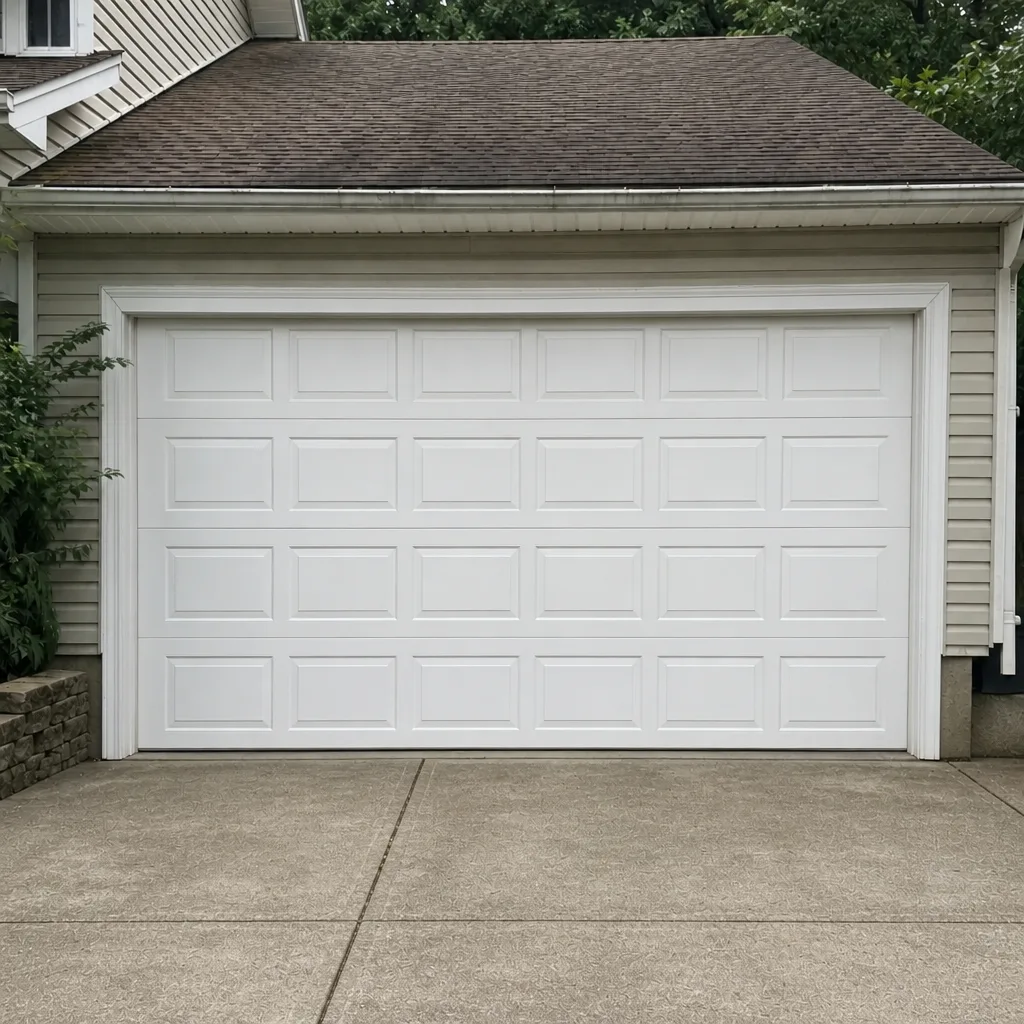 After
When to Call a Professional
Call a professional when a spring snaps, when the door comes off its track or hangs crooked, when the door runs rough or makes grinding and scraping sounds, when the opener reverses unexpectedly or won’t respond to remotes, or when the door is so heavy you can barely lift it by hand. Those are signs of load-bearing or safety-critical failures that get worse with use. Springs, cables, and the bottom bracket carry tension that can release violently, so don’t attempt those repairs yourself. For a door that’s simply noisy, worn, or misaligned, a service visit can usually tell you whether it’s a door problem or an opener problem before you spend money. Garage Door Repair Mount Lebanon offers free estimates in Mount Lebanon – call (877) 640-9337. We answer 24/7, and fast dispatch from 7am to 7pm runs Sunday through Friday.
Frequently Asked Questions
There isn’t one best brand; there’s the best model for your opening and your budget. Clopay, Amarr, and Wayne Dalton all make dependable residential doors, and what separates a good door from a bad one is the gauge of the steel (27-gauge or heavier for an exposed, heavily used door), the insulation core (polyurethane for an attached garage), and the hardware construction (nylon rollers with steel stems, die-cast hinges). Choose on specs, then confirm the brand’s parts are serviceable locally. Call (877) 640-9337 for an exact quote – estimates are free.
Yes, because gauge runs backwards: 27-gauge steel is thicker and more dent-resistant than 25-gauge, even though 25 is the larger number. A 25-gauge door is common on builder-grade installations and fine for a lightly used, sheltered garage, but it dents more easily under daily contact. For a door that faces wind and daily use on a Mount Lebanon driveway, 27-gauge or heavier holds up noticeably better over the years. Ask for the gauge in writing before you buy.
Polyurethane is the better choice for an attached garage that shares a wall or ceiling with living space, because it insulates better per inch, adds rigidity, and resists moisture. Polystyrene is lighter and less expensive and works reasonably well for a detached or unheated garage. Remember that R-value isn’t the whole story: thermal bridging through the steel skin and drafty seals can undermine a high-R-value door, so check the thermal breaks and perimeter sealing too.
No. The door and the opener are independent purchases, and any opener rated for the door’s weight and size will work on any brand of door. Choose the opener for its drive type, weight rating, and smart-home features – a Chamberlain myQ or LiftMaster connected model if you’re building a smart home, or a straightforward belt-drive opener if you’re not. Match the opener to the door’s weight, not its logo.
Many repairs, like a worn roller or a misaligned sensor, are quick visits finished in a single stop when the parts are common and on hand. Repairs that need a door-specific part, like a panel section or a bottom bracket, can take longer depending on availability and lead time. A spring replacement is a dedicated job and usually done as its own visit. Call (877) 640-9337 and we’ll tell you what your situation likely needs – estimates are free.
Stop using the door. A broken torsion or extension spring means the door’s lift system isn’t holding the load, and forcing it open can damage the door or the opener and risks injury. Don’t try to replace the spring yourself – the tension in a spring assembly can release violently, and the cables and brackets are load-bearing. Call a trained technician. We handle garage door spring repair as a specialty, and a call to (877) 640-9337 gets you a free estimate – we answer 24/7.
The Bottom Line
The brand name is a starting point, not the answer. What actually determines how long your garage door lasts is the steel gauge, the insulation core, the hardware construction, and whether a local service company can get the parts when something wears out. Choose 27-gauge or heavier steel for an exposed, heavily used door, a polyurethane core for an attached garage in a Pittsburgh winter, and hardware you can verify before you buy. Then pick the opener separately based on your door’s weight and your smart-home setup. A door you can service locally for the next decade beats a nameplate that impresses in the showroom.
Contact Us for a Free Estimate
Choosing a door is easier with a second set of eyes on your actual opening. If you’re weighing brands, comparing gauges, or trying to decide whether your current door needs a repair or a replacement, call Garage Door Repair Mount Lebanon at (877) 640-9337 for a free estimate in Mount Lebanon. We answer 24/7, and fast dispatch from 7am to 7pm runs Sunday through Friday. Whether you need garage door repair Mount Lebanon or a full new-door measure and quote, we’ll talk through the specs and give you a written price before anything is ordered. Estimates are free, and the price is quoted and agreed before work starts.
Written by the team at Garage Door Repair Mount Lebanon.