
Last updated November 23, 2026
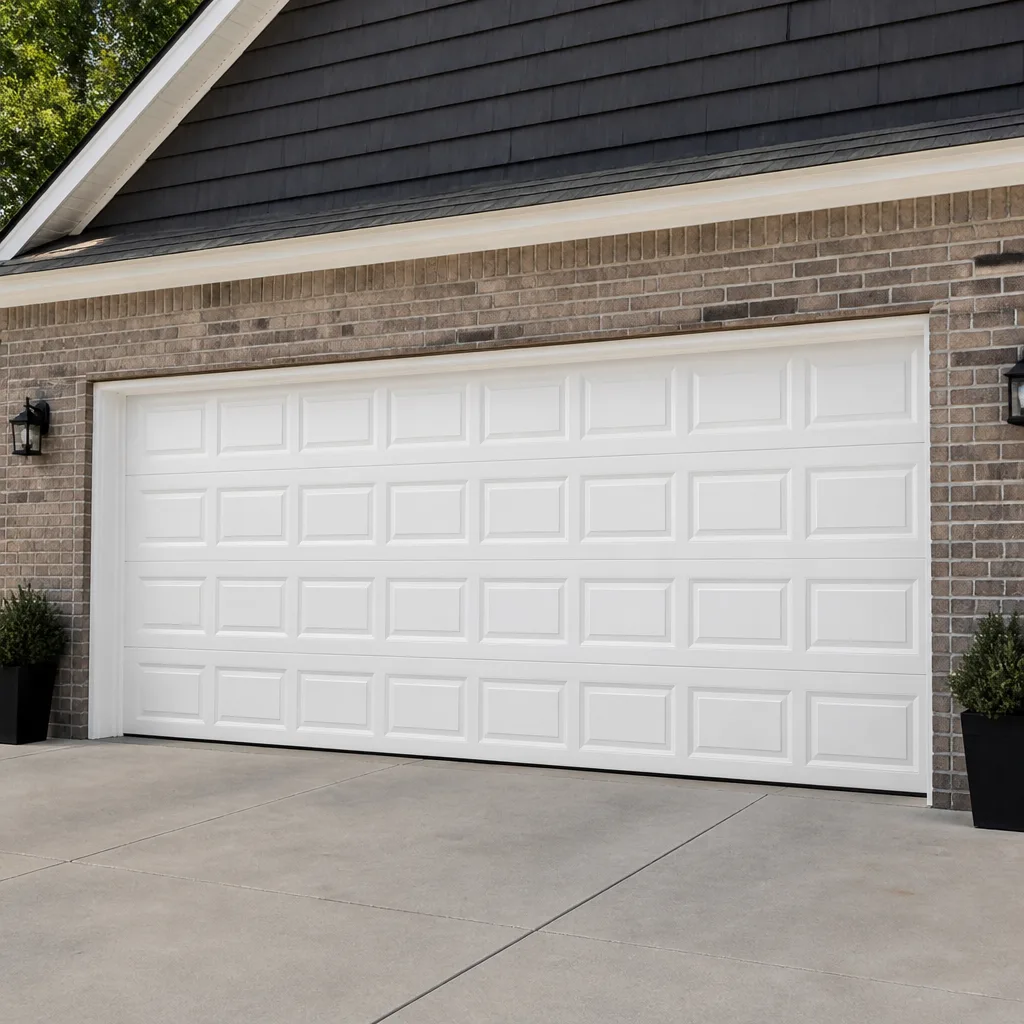 Raised-panel steel
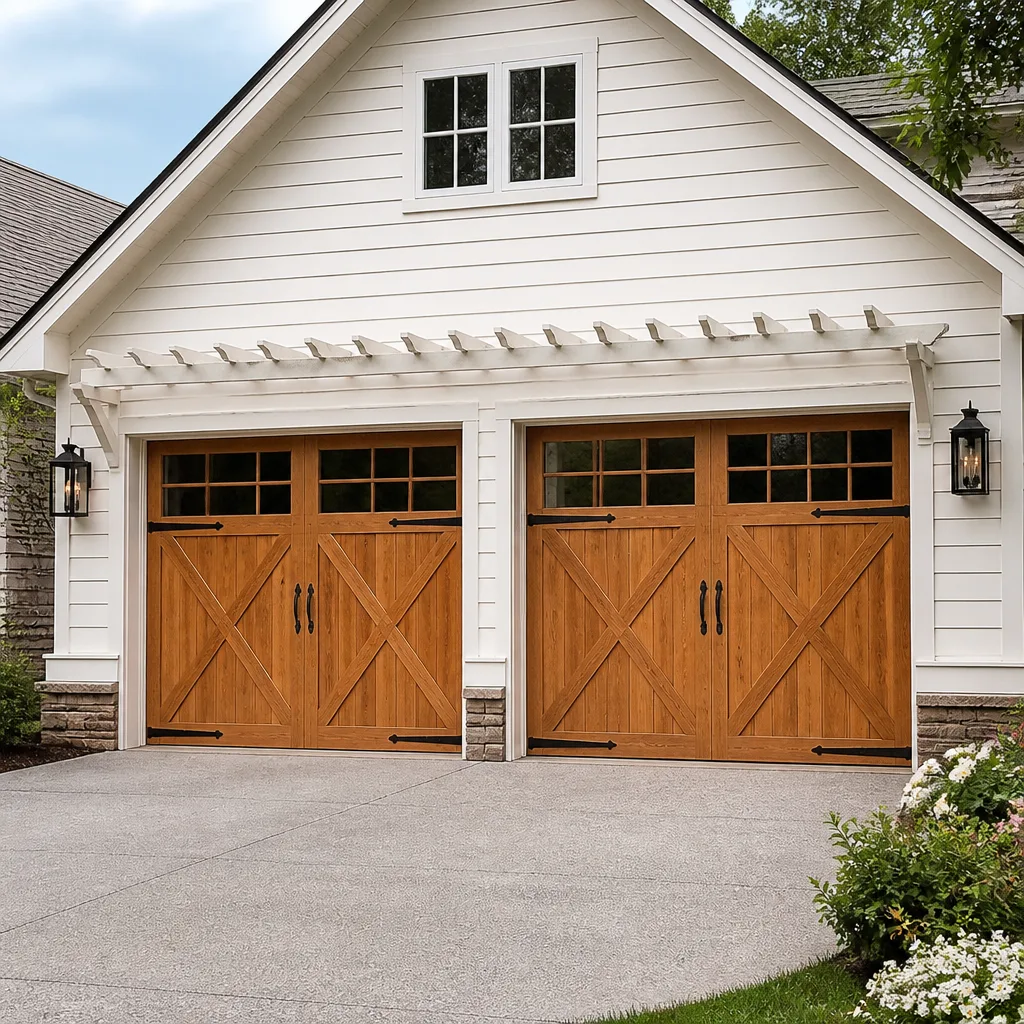 Carriage house
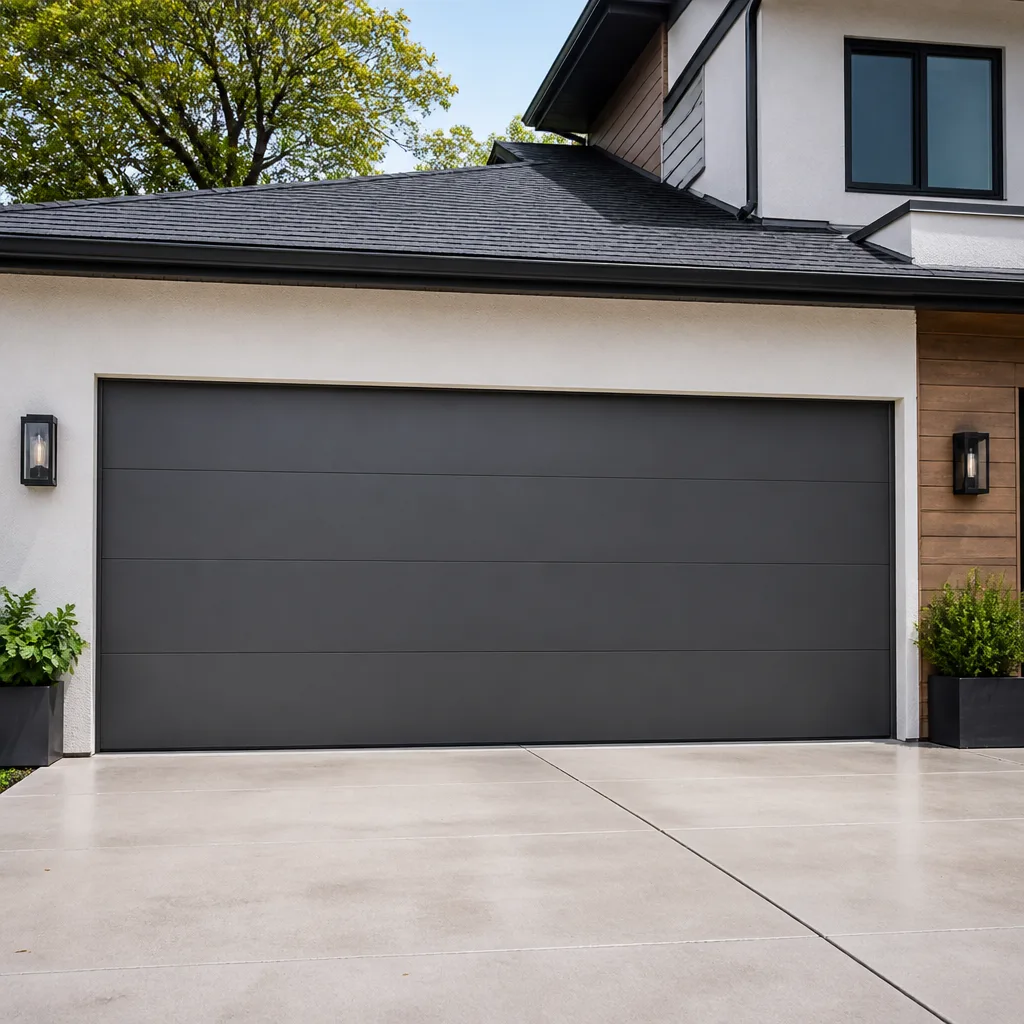 Modern flush
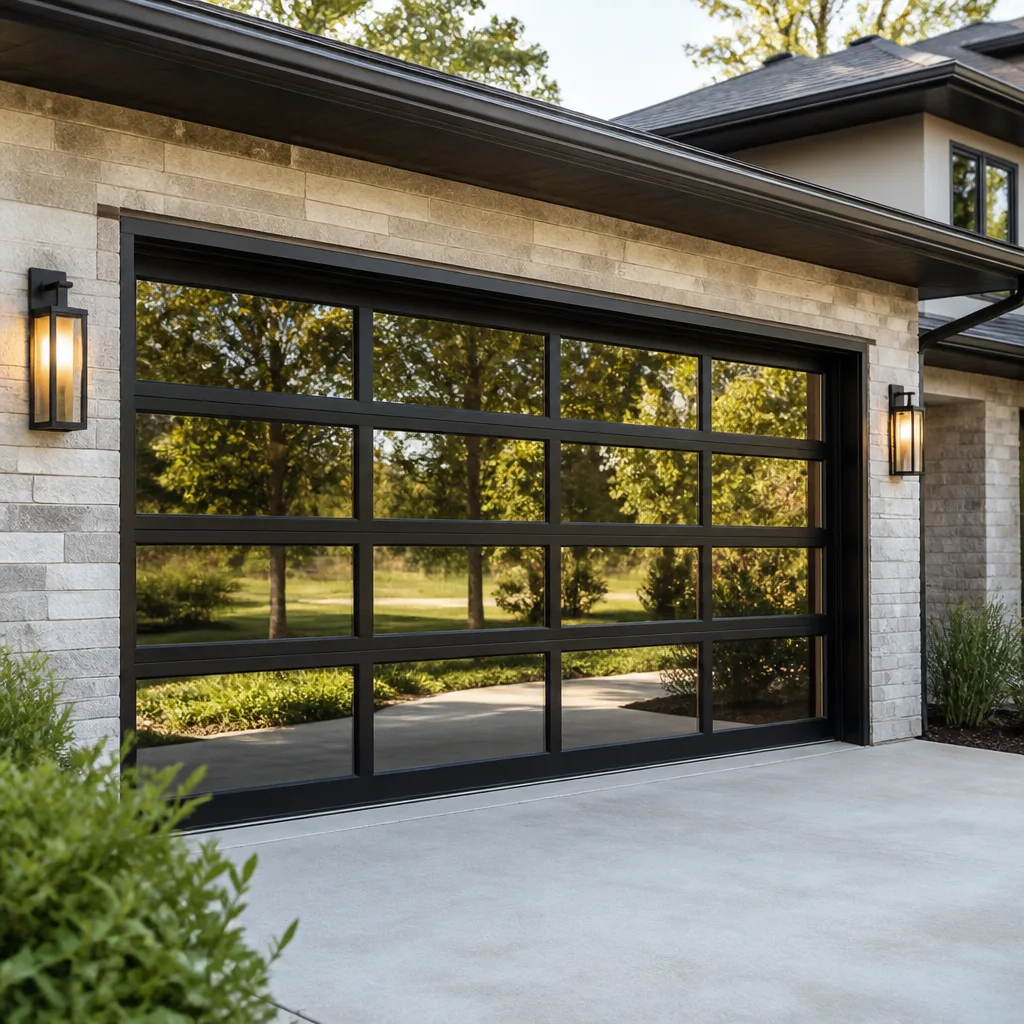 Full-view glass
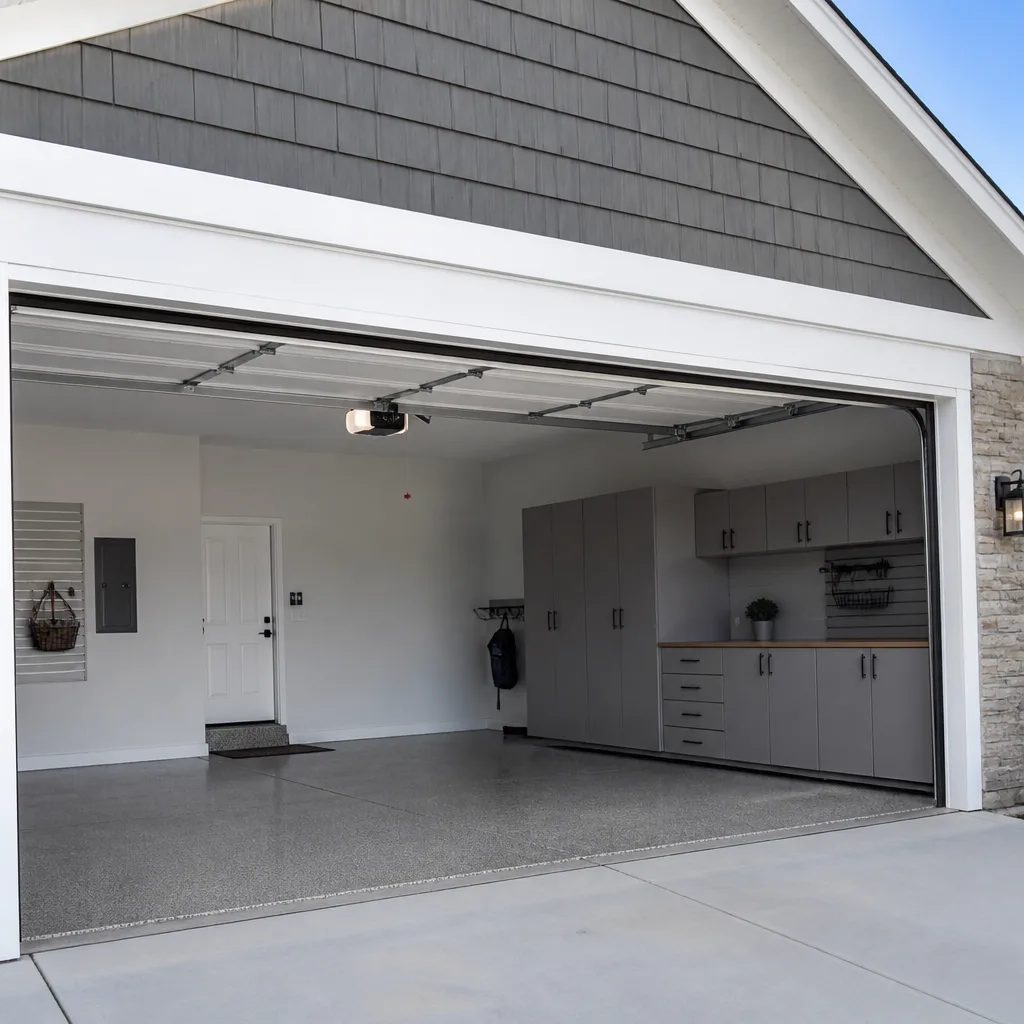 LiftMaster openers
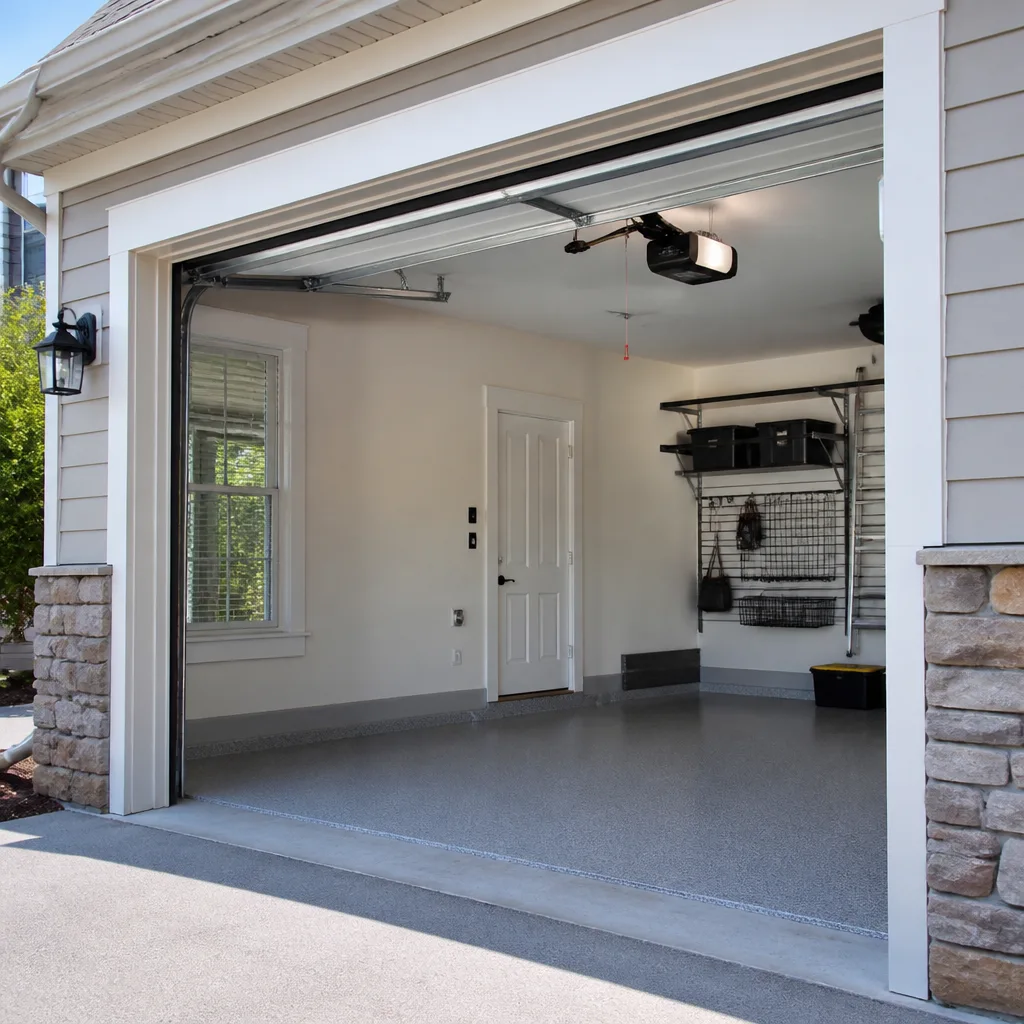 Chamberlain openers
Full 25-point door and opener safety check with every visit - springs, cables, rollers, tracks, and your LiftMaster or Chamberlain opener included
You get a price before we start. It does not change when the pro arrives.
Get your free estimateDIY vs Professional Garage Door: The Mount Lebanon Homeowner’s Decision Guide
Most garage door advice treats DIY versus professional as a question of confidence. If you’re handy, go ahead; if you’re not, call someone. That framing misses the real dividing line. A wound torsion spring stores roughly 100 ft-lbs of torque, and when a winding bar slips, it slips fast and hard. That’s not a “be careful” situation – it’s a physics situation. The sensible question isn’t whether you’re capable. It’s which tasks involve stored energy and which don’t. This guide draws that line component by component, so a Mount Lebanon homeowner can tell in five minutes which repairs belong on a Saturday afternoon and which belong to a trained technician.
Styles & brands we work with
- Raised-panel steel
- Carriage house
- Modern flush
- Full-view glass
- LiftMaster openers
- Chamberlain openers
Quick Answer
Anything holding stored energy – torsion springs, extension springs, cables, bottom brackets, and the opener’s gear and sprocket assembly – belongs to a trained technician. Sensor alignment, remote and keypad programming, weatherstrip replacement, and manual lock adjustment are genuinely homeowner-appropriate. Everything in between, like roller replacement, depends on whether your door uses extension or torsion springs, and we explain how to tell below.
Table of Contents
- Where the Line Actually Falls
- The Professional-Only List, and Why
- What You Can Legitimately Do Yourself
- The Middle Ground: Rollers and Spring Type
- DIY vs Professional Cost: What the Gap Doesn’t Show
- How to Describe a Symptom So You’re Not Upsold
- Mount Lebanon Conditions That Affect Your Door
- Common Mistakes to Avoid
- When to Call a Professional
Where the Line Actually Falls
Garage door work splits cleanly into two categories: tasks that deal with stored mechanical energy and tasks that deal with information or seals. That’s the whole framework, and it holds whether you own a Clopay steel door or an older Wayne Dalton model with extension springs.
Stored energy is the problem. A closed garage door weighs somewhere between 130 and 350 pounds depending on width, insulation, and material, and the springs are what make that weight feel like ten pounds in your hand. Those springs are under load every second the door is down. Release that load incorrectly and it doesn’t release gently. Cables can whip, brackets can shear, and winding bars can spin out of a winding cone with enough force to break a wrist.
Information and seals are the other category. Your opener’s safety sensors, your remote’s rolling code, the rubber sweep along the bottom of the door, the manual lock slide – none of these hold tension. If you get one wrong, the door beeps, reverses, or lets a draft in. Nobody gets hurt.
We’ve seen plenty of Mount Lebanon homeowners who could rebuild a bicycle blind but shouldn’t touch a torsion spring, and plenty who’ve never held a screwdriver but can absolutely realign a sensor in ten minutes. Skill isn’t the variable. The component is. Once you sort the job by which category it falls into, the decision makes itself.
The Professional-Only List, and Why
These four jobs are not “hard for beginners.” They’re dangerous for anyone without the right tools, the right training, and a second person nearby. We handle all of them as part of our garage door spring repair and general repair work, and we’d rather explain why than just tell you no.
- Torsion spring replacement. A torsion spring sits on a shaft above the door and gets wound to a specific number of turns matched to the door’s weight. Replacing it means fully releasing the old spring’s tension and winding the new one with steel winding bars, not screwdrivers. A slip at the wrong moment is how hands and wrists get broken. There’s no safe shortcut here.
- Extension spring replacement. The older spring style that runs along the horizontal tracks. Less torque than torsion, but still under heavy load, and the cables and pulleys attached to them can fail violently if the door is raised with the spring unhooked. Treat it with the same respect.
- Bottom bracket and cable work. The bottom bracket is what anchors the lift cable at the bottom corner of the door – and it sits under the same spring tension as everything else. Loosening a bottom bracket without first relieving cable tension is one of the most common ways a DIY repair turns into an emergency room visit.
- Opener gear and sprocket assembly. This one is lower injury risk and higher parts risk. Opening a Chamberlain or LiftMaster unit to swap a stripped nylon gear means dealing with the chain or belt, the travel limits, and the force settings. Get the reassembly wrong and the opener drives the door into the header or reverses halfway every time. Our garage door opener repair covers both legacy Craftsman units and smart-connected systems, and the diagnostic step matters more than the part swap.
Notice what these share: stored energy, or a system that has to be re-calibrated to a mechanical spec. If a repair involves either, professional territory.
What You Can Legitimately Do Yourself
This list is real. We’d rather you fix these yourself and save the call for something that needs it. All four are information or seal tasks with no stored energy involved.
1. Realign the safety sensors
- Look at both sensors at the bottom of the tracks. Each has a small LED – one should glow steady, the other should blink or glow when the beam is broken.
- If the door won’t close and the opener light flashes, the beam is interrupted. Check for a cobweb, a leaf, or a trash can in the path first.
- Loosen the wing nut on the sensor bracket, aim the sensor so its LED goes steady, and retighten. Small adjustments, then test.
- If the LED won’t go steady from any angle, the sensor or its wiring is failing – that’s a call.
2. Program a remote or keypad
Every opener brand has its own pairing sequence, and it’s printed in your manual or on the opener head. On most LiftMaster and Chamberlain units you press the learn button, then hold the remote button within 30 seconds. Genie and Craftsman units use a similar pattern with a different button. If a new remote won’t pair, the usual cause is a mismatched frequency or a dead battery, not a broken opener.
3. Replace the bottom weatherstrip
The rubber seal along the bottom edge slides out of a channel or pulls off a track. Measure the door width, buy the matching profile, and slide the new one in. This is the single most useful DIY task in Mount Lebanon’s climate, because it’s what keeps meltwater and cold air from working under the door all winter.
4. Adjust the manual lock
If your door has a slide bolt or a lock bar, alignment is a matter of loosening the mounting screws, sliding the bolt into its keeper, and retightening. No tension, no danger.
The Middle Ground: Rollers and Spring Type
Roller replacement sits right on the line, and which side of the line it falls on depends entirely on your spring type. Here’s how to tell what you have.
- Torsion springs mount on a horizontal shaft above the door, running parallel to the header. They’re usually one or two springs, and they wind around that shaft.
- Extension springs run along the horizontal tracks on each side, stretching from the rear hanger to a pulley near the door. They’re usually two springs, one per side.
On an extension-spring door, replacing a worn roller is a genuinely reasonable DIY job. The spring tension lives in a different part of the system, and if you raise the door fully and clamp it, the rollers can be swapped without touching the springs. Still work one roller at a time and never put your fingers between the door sections.
On a torsion-spring door, the same roller swap is more delicate. The cables are under tension across the whole system, and a door that shifts while you’re working on a hinge can bind a cable or drop a section. It’s not the most dangerous job on the door, but it’s the one where a homeowner most often creates a second problem while fixing the first.
For anything involving cables, drums, or the springs themselves, the door needs to be de-tensioned first, and de-tensioning is a trained job. That’s true across every brand we work on – Clopay, Amarr, Wayne Dalton, Raynor, and the rest. Our technicians have up to 10 years of experience and have seen how a door behaves after it’s been worked on without a proper de-tension, and it’s rarely a small repair.
DIY vs Professional Cost: What the Gap Doesn’t Show
On paper, a homeowner-supplied spring kit runs roughly $40 to $60 online, and one professional spring replacement typically lands in the $150 to $300 range. A matched pair is usually replaced together, so a pair runs about twice that. That gap looks like a lot, until you price out what the professional side actually includes.
| Item | Typical cost |
|---|---|
| DIY torsion spring kit (online) | $40 – $60 |
| Professional single spring replacement | $150 – $300 |
| Professional matched pair | About twice the single-spring figure |
| Winding bars (sold separately from most kits) | Required – not a choice |
What the DIY $40 to $60 doesn’t account for: correct wind count matched to your specific door weight, the winding bars most kits don’t include, the tools to safely hold tension while you work, and the fact that a wrong-wind count means the opener works against a door that’s now too heavy or too light. That’s how you burn out an opener motor – and a replacement opener costs more than the spring repair would have.
On the professional side, the price is quoted and agreed before any work starts. You get a written estimate, you know the wind count is matched to your door, and the technician has done the de-tension and re-wind before. The written estimate is what you pay – not the call, not the visit, not the diagnostic. Call (877) 640-9337 for an exact quote. Estimates are free.
If a full garage door repair is what your door actually needs – not just a spring – the same written-estimate rule applies. That’s how we keep a repair-first approach honest.
How to Describe a Symptom So You’re Not Upsold
The single best protection against unnecessary work is a clear description of what the door does. Not what you think is broken – what it actually does. A technician who hears a good symptom report can usually diagnose before arriving, and a homeowner who knows the right words is harder to sell a replacement to.
Use these phrases when you call:
- “The door closes partway and reverses.” That’s usually a sensor or travel-limit issue, not a spring.
- “The door is very heavy when I lift it by hand.” A door that won’t hold its own weight on a manual lift is almost always a broken or fatigued spring.
- “There’s a loud bang from the door area.” That’s the classic sound of a torsion spring breaking, and it’s not a general “door problem.”
- “The door goes up crooked on one side.” Cables, rollers, or a bent track – not the opener.
- “The opener runs but the door doesn’t move.” Often a stripped gear or a disengaged manual release.
- “The opener light flashes and the door won’t close.” Safety beam interruption. Check the sensors first.
Describe the door’s brand if you know it – Clopay, Amarr, Wayne Dalton, Craftsman, Genie, LiftMaster, Chamberlain, Raynor – and whether it’s torsion or extension springs. If you’re not sure, say so. A technician who knows the brand, spring type, and symptom before arriving is a technician who arrives with the right part and no reason to pitch a replacement. We’ve seen enough Mount Lebanon doors to know that most “you need a new door” calls are actually a repair that got misdescribed.
Mount Lebanon Conditions That Affect Your Door
Mount Lebanon’s freeze-thaw cycles put real stress on garage door hardware through the colder months. The cycles matter more than the cold itself – water works into a hinge or a roller track, freezes, expands, and thaws, over and over. That’s what loosens mounting bolts, stiffens rollers, and stiffens the seal at the bottom of the door.
Those cycles are also why weatherstrip replacement earns a spot on the DIY list. A seal that’s cracked or pulled loose lets meltwater under the door, and repeated freeze-thaw at the bottom edge is where you’ll find rust and a warped bottom panel first.
What the climate doesn’t change is the spring physics. A torsion spring doesn’t loosen or tighten with the weather. It wears with cycles – how many times the door goes up and down – not with the season. If you’re noticing a banging door just as the weather turns, that’s usually coincidence; the spring reached the end of its cycle count. Spring repair in Mount Lebanon is a year-round job, not a seasonal one, and treating it as seasonal is how a fatigued spring gets ignored until it snaps.
Common Mistakes to Avoid
- Cutting a torsion spring to release it. This is how serious injuries happen. A torsion spring holds stored energy even with the door down, and cutting it releases all of it at once. Never.
- Loosening a bottom bracket to “get the door to move.” The bottom bracket sits under the same tension as the springs up top. If the door won’t move, the problem is upstream, not at the bracket.
- Using a screwdriver instead of winding bars. Most spring kits don’t include winding bars, and screwdrivers slip. Winding bars are steel, fitted to the cone, and meant to be held at the end of a lever arm. The wrong tool here is the whole problem.
- Replacing one spring of a matched pair. If two springs are matched to a door, they’ve cycled together. Replacing one leaves the door unevenly tensioned and shortens the life of the other. A pair is usually replaced together.
- Adjusting opener force settings to “fix” a heavy door. If the door feels heavy, the spring is the problem, and cranking up the opener’s force dial just speeds up the wear on the opener motor. That gets you a spring repair plus an opener replacement.
- Ignoring a single loud bang. A bang from the door area is a spring breaking, and it’s not a “wait and see” event. With one spring broken, the remaining spring carries the whole load and fails faster.
- Pulling the manual release on a door with a broken spring. The door comes down fast and heavy. If the door has a broken spring, don’t touch the release handle.
If you’re in Mount Lebanon and you’re not sure whether your door needs attention, our Garage Door Repair Mount Lebanon team can tell you over the phone whether it’s a spring, a sensor, or something else.
When to Call a Professional
Call a professional when the job involves torsion springs, extension springs, cables, bottom brackets, opener gears, or a door that’s off its track. Those are the stored-energy and calibration jobs. Call us when the door is heavy, bangs, goes crooked, or stops mid-travel. Call us when the opener drives the door into the header or reverses at the same spot every time.
Emergency garage door service is a standing part of what we do, not an upsell. If a spring just broke and the car is trapped, call (877) 640-9337. We answer 24/7. Fast dispatch from 7am to 7pm, Sunday through Friday, and we’re closed Saturday. A call outside dispatch hours is booked into the next opening, Sunday through Friday, 7am to 7pm.
Garage Door Repair Mount Lebanon offers free estimates in Mount Lebanon, and the written estimate sets the price before any work begins. A full replacement is available when a repair genuinely won’t do it, but the repair-first path is the default.
Frequently Asked Questions
No. A torsion spring replacement means releasing and re-winding a component that stores roughly 100 ft-lbs of torque, and a slipping winding bar can break a hand or wrist. DIY spring kits leave out the winding bars and the correct wind count for your door’s weight. This is a professional job, and the $150 to $300 range covers the wind count, the tools, and the safety margin.
A loud bang from the door area is almost always a breaking torsion spring – the most common and most dangerous garage door failure point. Stop using the door and call (877) 640-9337. If the spring is broken, don’t touch the manual release, because the door’s full weight is now on the cables and tracks.
Yes. Sensor realignment, remote programming, keypad pairing, and bottom weatherstrip replacement are genuine DIY tasks with no stored energy involved. If a sensor LED won’t go steady from any angle and the wiring looks intact, the sensor itself is failing and that’s a service call.
A single torsion spring replacement typically runs $150 to $300, and a matched pair costs about twice that. Roller replacement, track repair, and opener work fall in their own ranges depending on the part. Call (877) 640-9337 for an exact quote – estimates are free, and the written estimate is what you pay.
For spring, track, and emergency repair calls, we can usually reach Mount Lebanon the same day. We answer 24/7. Fast dispatch from 7am to 7pm, Sunday through Friday, and we’re closed Saturday. A call outside dispatch hours is booked into the next opening.
No. The price is quoted and agreed before any work starts. If the technician finds something on arrival that changes the scope, you get a new written estimate before anyone touches the door, and you can decline it. The written estimate sets the final price.
The Bottom Line
The DIY vs professional question comes down to one filter: does the job touch a component holding stored energy? If yes – springs, cables, bottom brackets, the opener’s gear and sprocket – it’s professional work, and the $150 to $300 range buys you safety, a correctly wound spring, and a written estimate you agreed to before anyone touched the door. If no – sensors, remotes, weatherstrip, locks – go ahead and do it yourself. Rollers sit in the middle, and the spring type tells you which side. If a door in Mount Lebanon is banging, heavy, or crooked, call (877) 640-9337 for a free estimate. We answer 24/7. Fast dispatch from 7am to 7pm, Sunday through Friday, and we’re closed Saturday.
Written by the team at Garage Door Repair Mount Lebanon.
See the difference
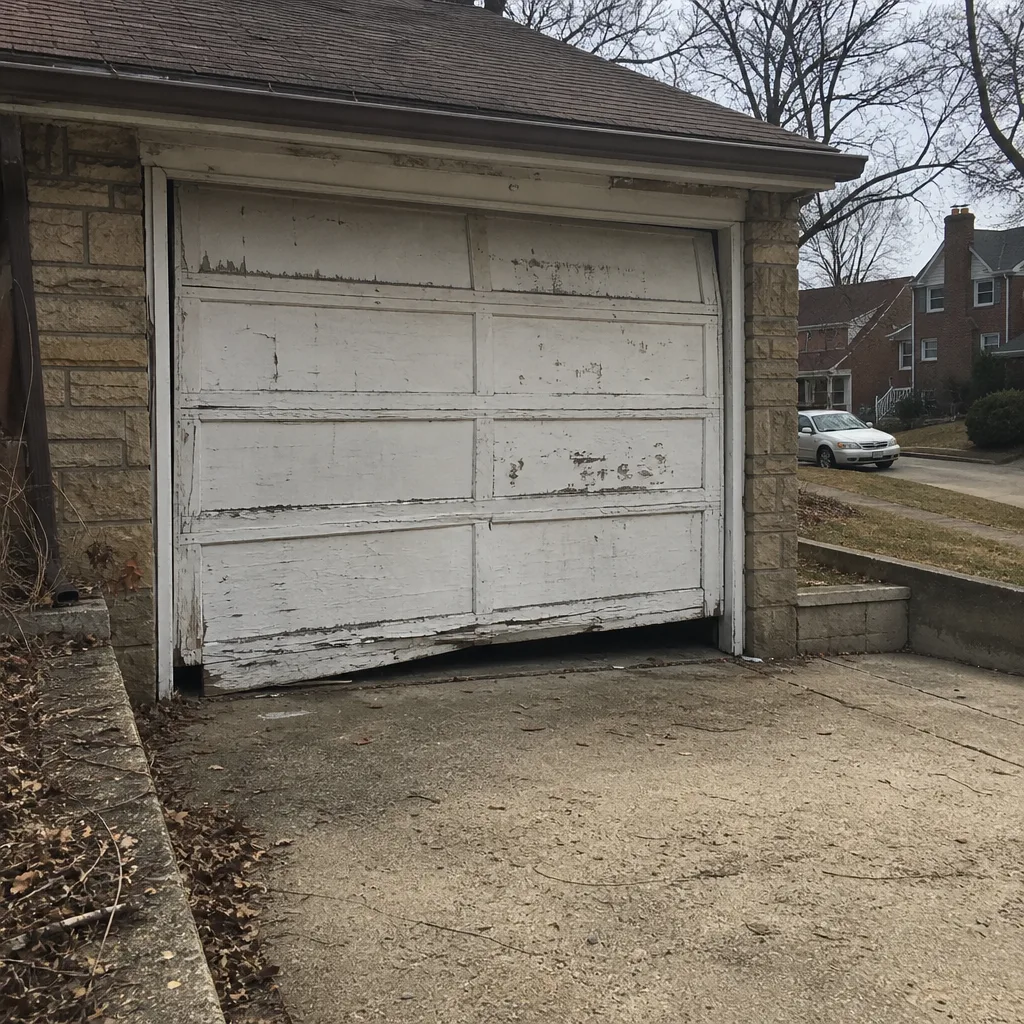 Before
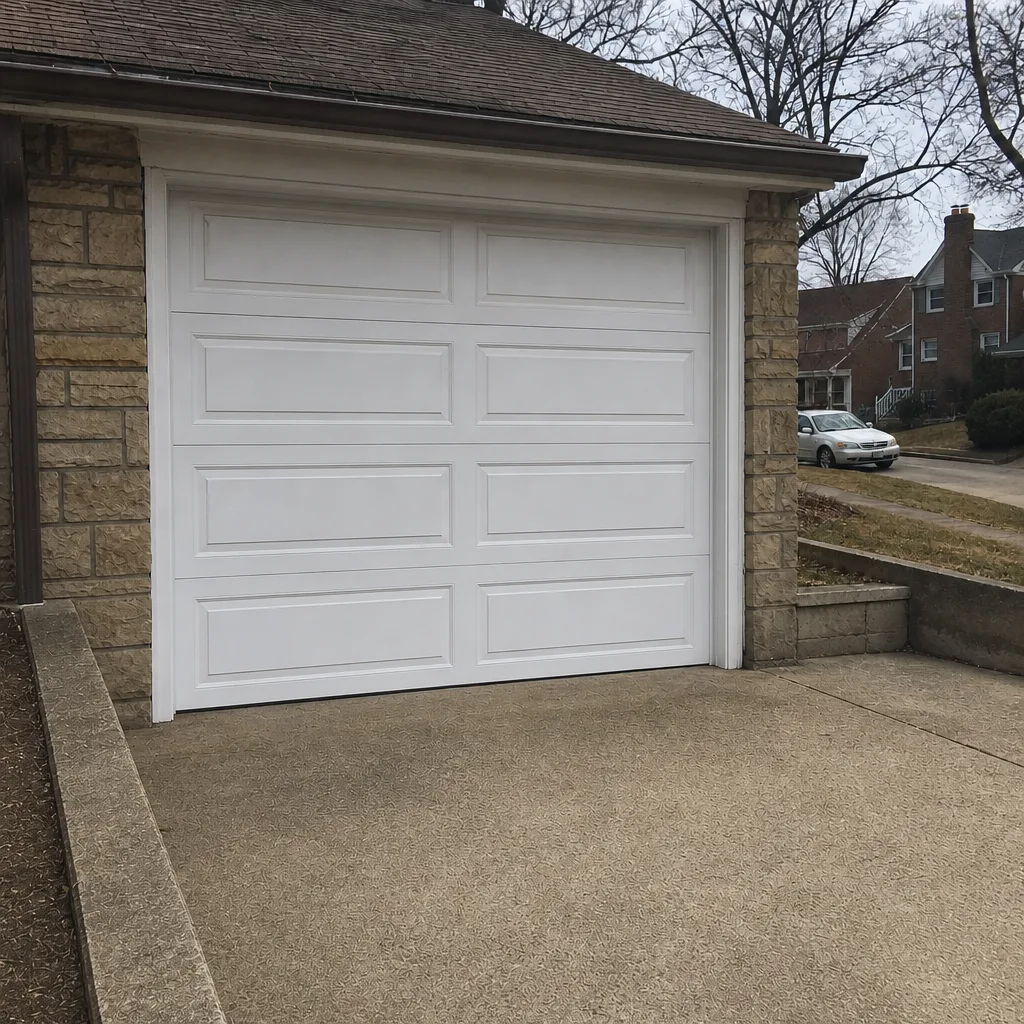 After
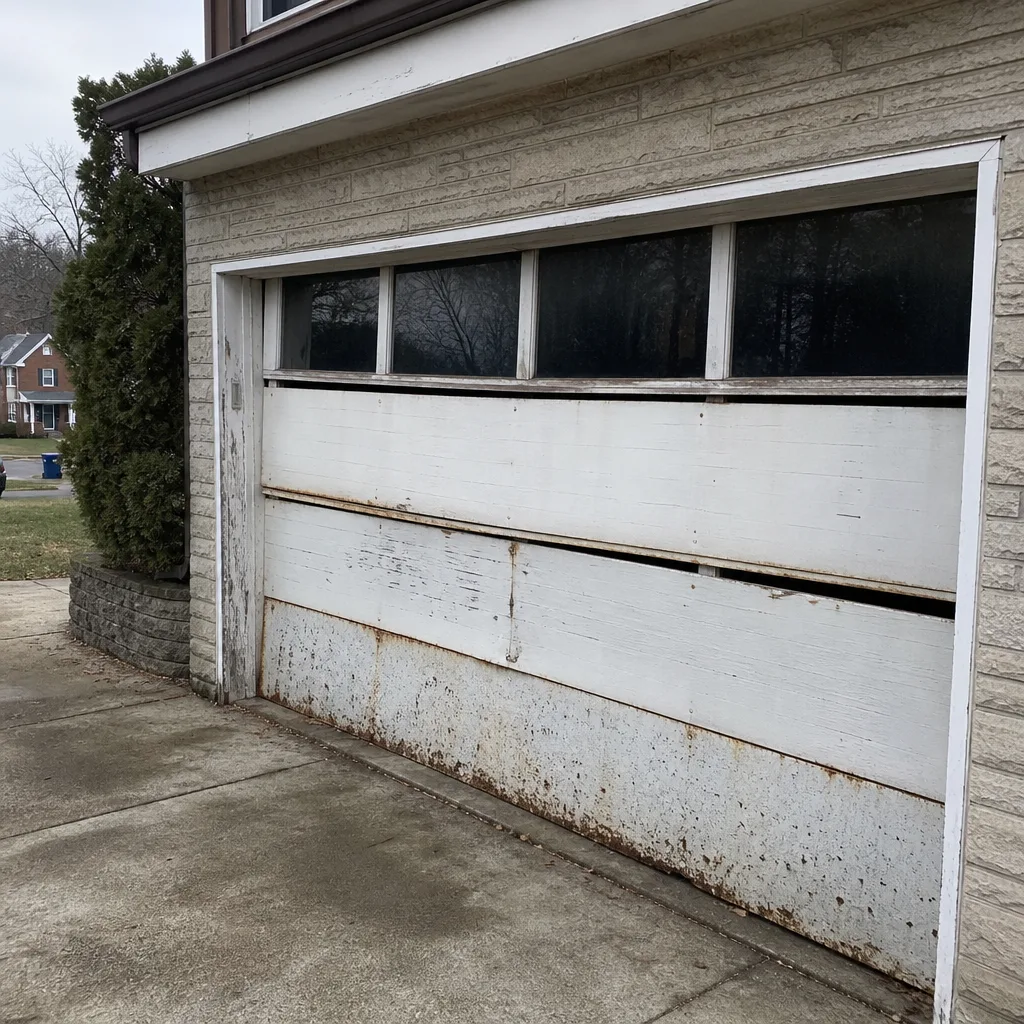 Before
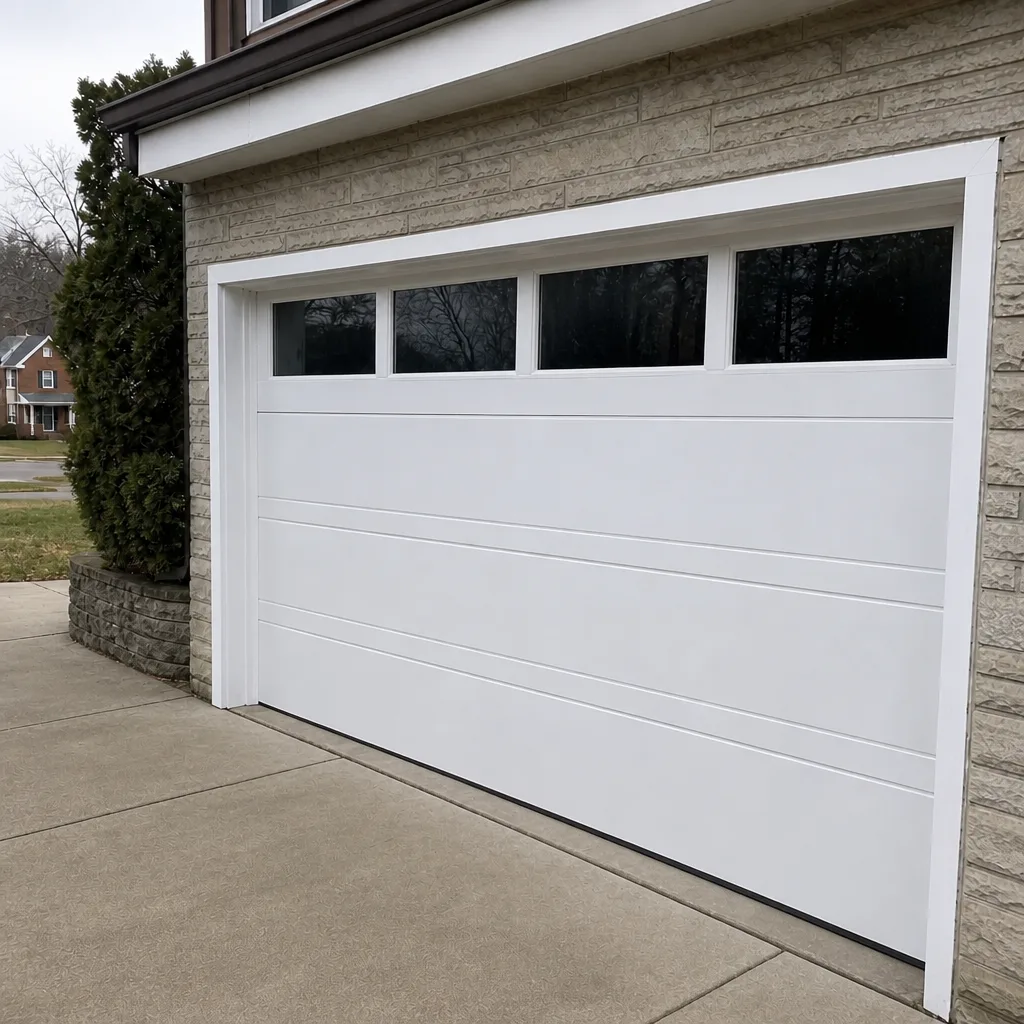 After
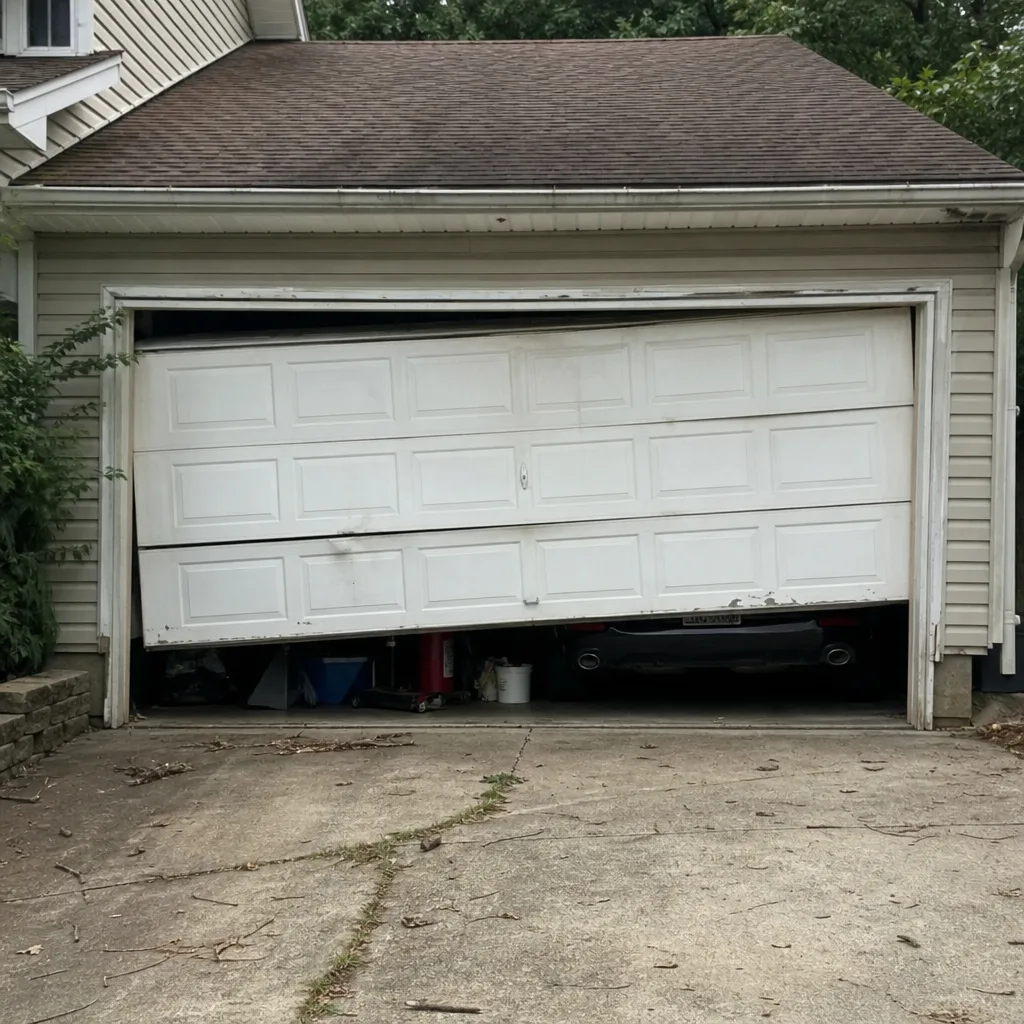 Before
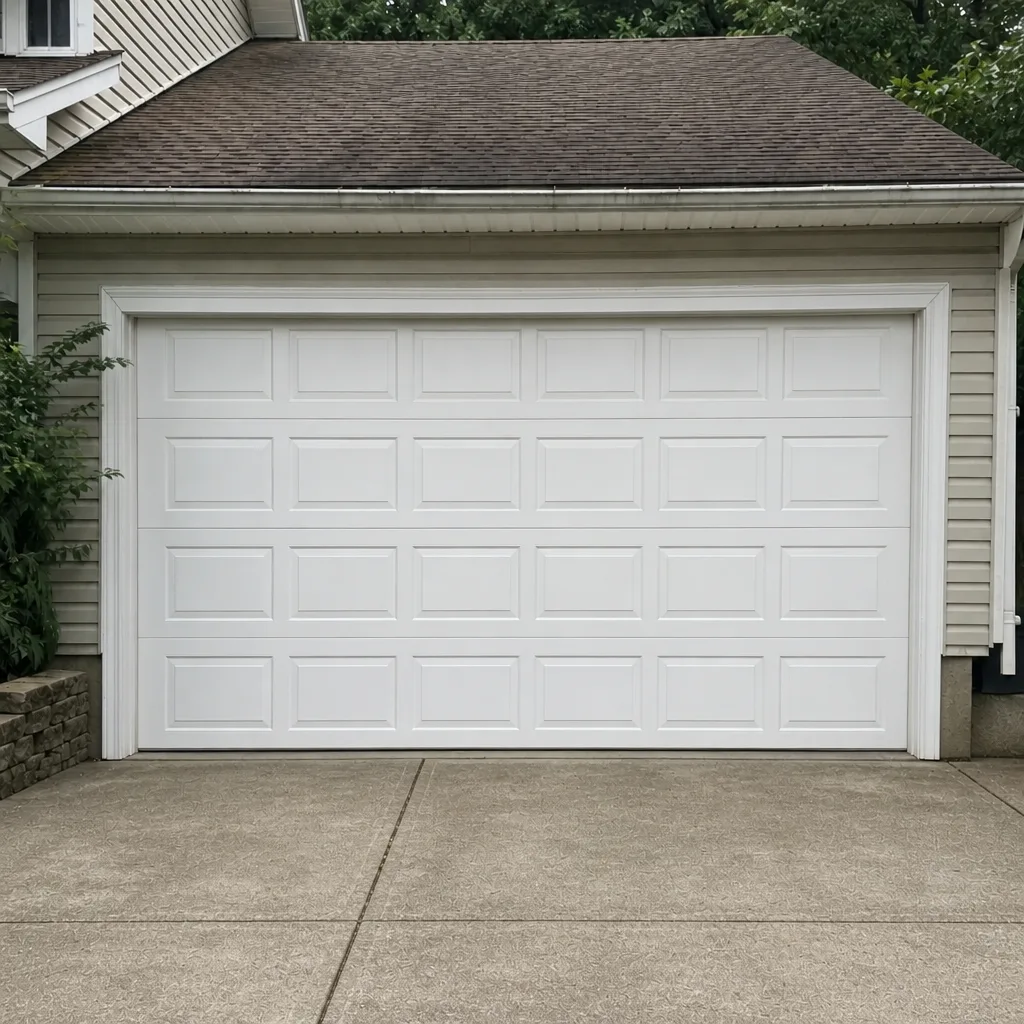 After