
Last updated November 23, 2026
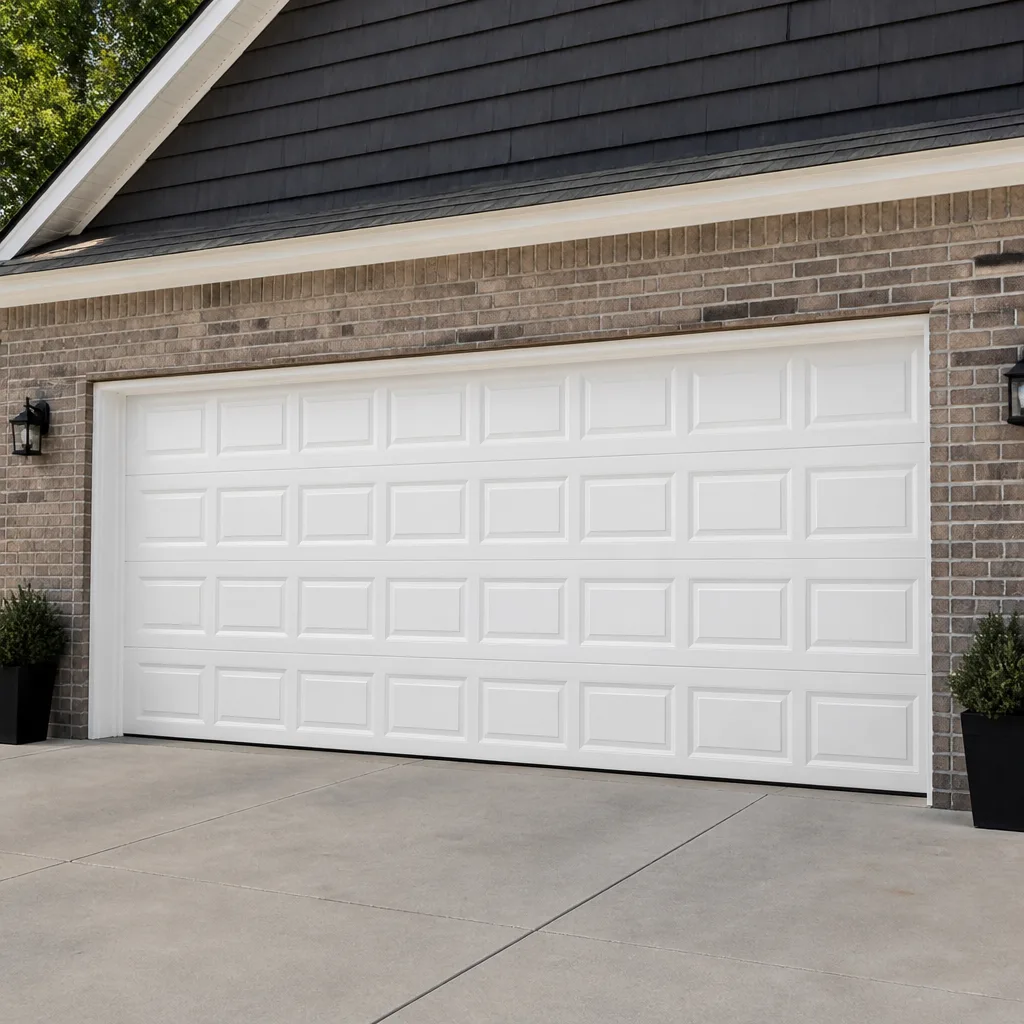 Raised-panel steel
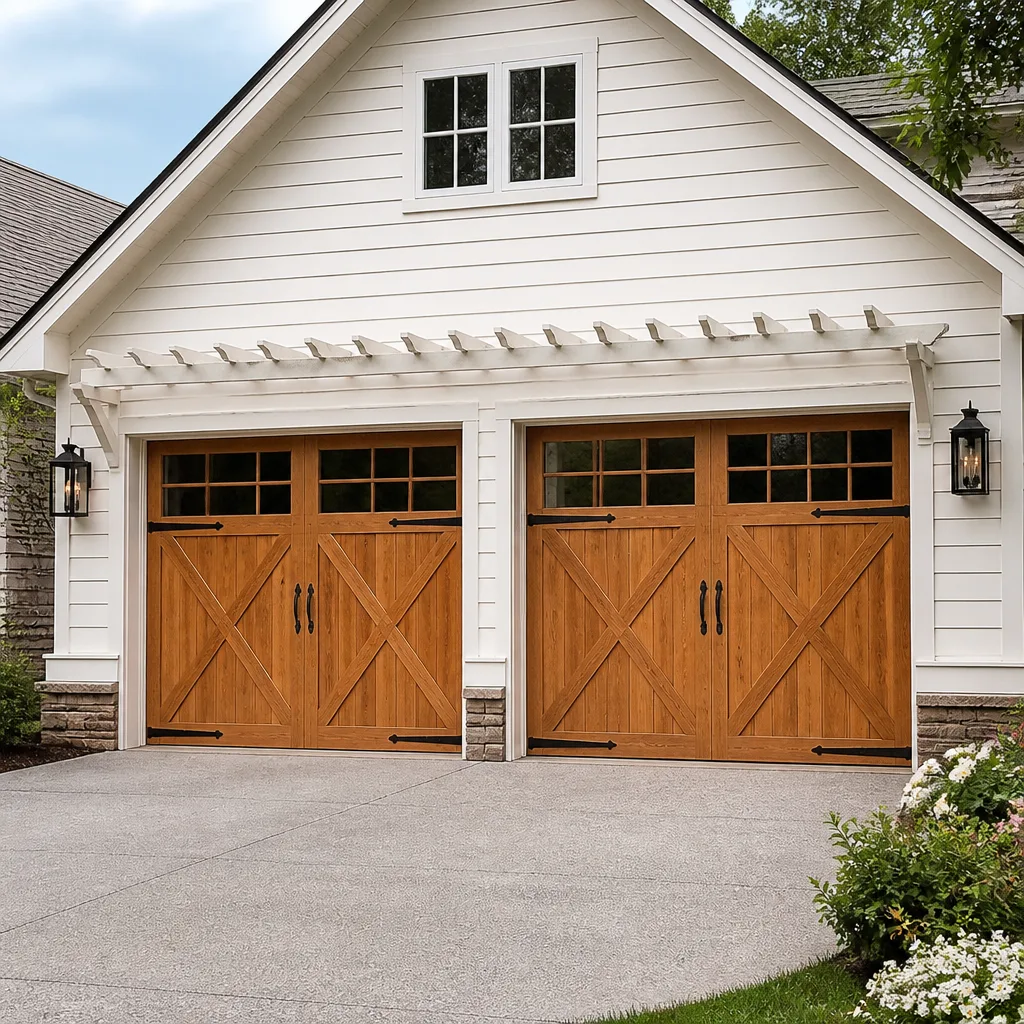 Carriage house
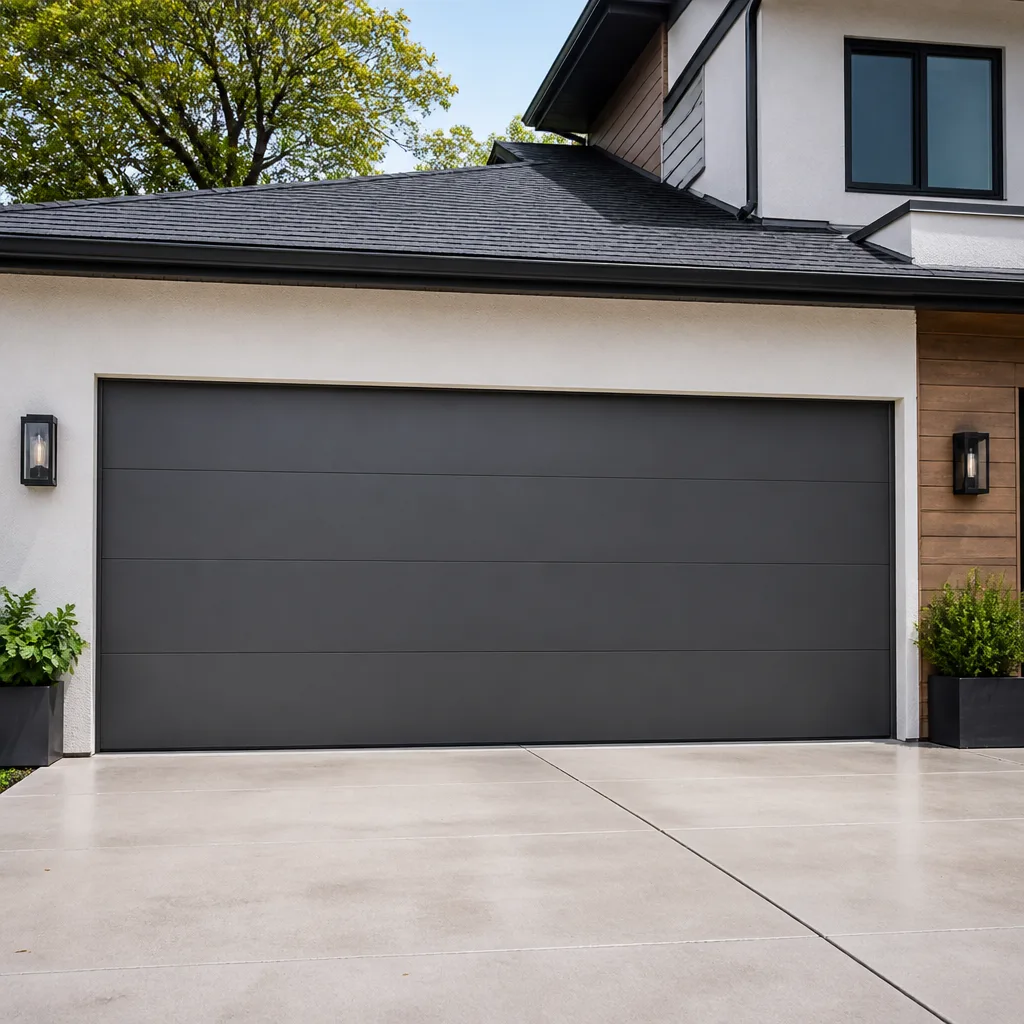 Modern flush
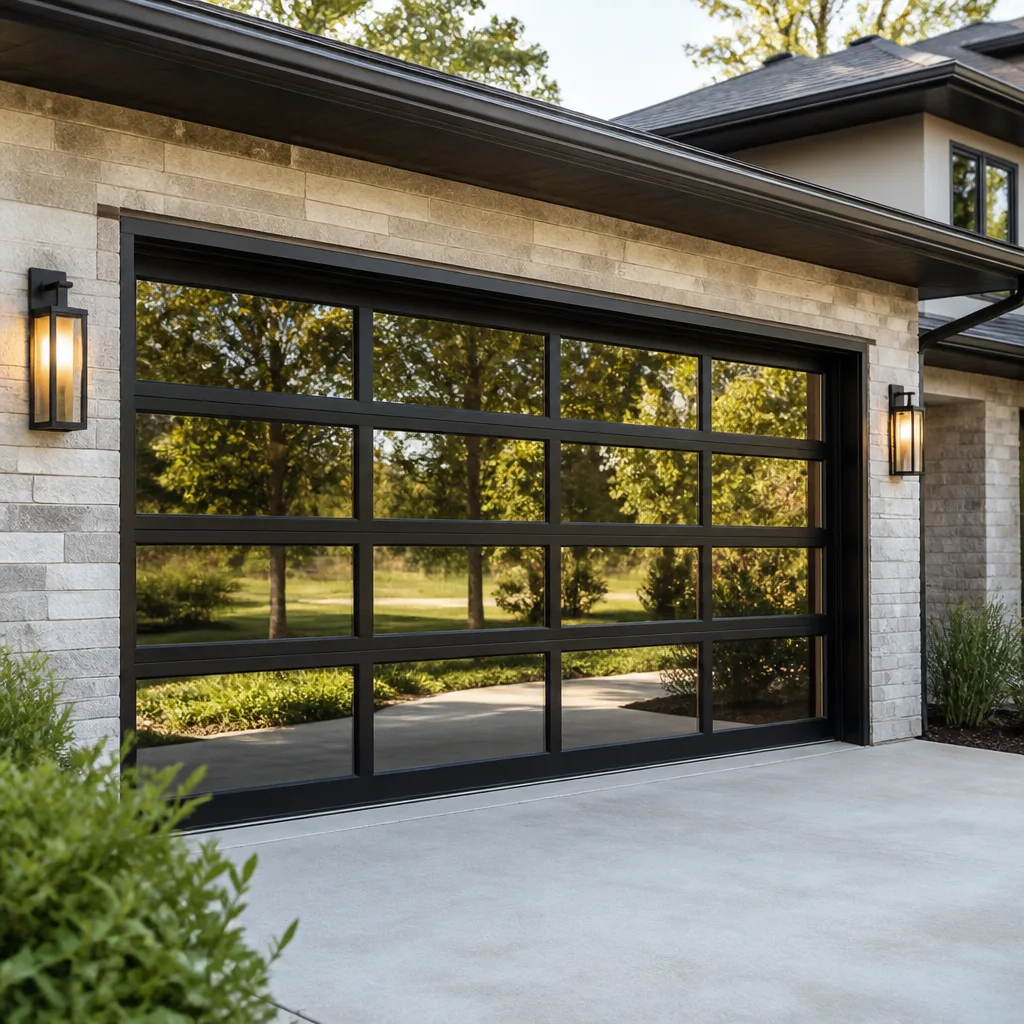 Full-view glass
 LiftMaster openers
 Chamberlain openers
Full 25-point door and opener safety check with every visit - springs, cables, rollers, tracks, and your LiftMaster or Chamberlain opener included
You get a price before we start. It does not change when the pro arrives.
Get your free estimateGarage Door Emergency Preparedness Guide for Mount Lebanon Homes
When a torsion spring breaks, the door usually doesn’t fall. The cables hold it. What happens next is the problem: the opener motor keeps trying to lift a door that just got much heavier, and it burns itself out. That single wrong move turns a spring repair into a spring repair plus a new opener. The same pattern repeats across nearly every garage door failure we hear about in Mount Lebanon – the emergency itself is bad, but the first ten minutes make it worse. This guide lays out the right first response for the failures that actually happen: a snapped spring, a door off its track, storm damage, a power outage, and a door frozen to its seal. Read it once now, then bookmark it for the night you actually need it.
Quick Answer
In a garage door emergency in Mount Lebanon, stop operating the door, disconnect the opener, and secure the area before anything else. A broken spring means the door should stay down until a professional replaces it; a bent track or a panel pushed out of square by storm damage means the door shouldn’t move at all until it’s inspected. For power outages, use the manual release cord correctly and lift the door slowly by hand. Then call (877) 640-9337. We answer 24/7, with fast dispatch from 7am to 7pm, Sunday through Friday.
Styles & brands we work with
- Raised-panel steel
- Carriage house
- Modern flush
- Full-view glass
- LiftMaster openers
- Chamberlain openers
Table of Contents
- How Garage Doors Fail in Mount Lebanon
- The Broken Spring Protocol
- Power Outage: Manual Release Done Right
- Storm Damage: What’s Safe to Operate
- The Frozen Door Emergency
- Your Emergency Kit and Number
- Common Mistakes to Avoid
- When to Call a Professional
How Garage Doors Fail in Mount Lebanon
Before you can respond correctly, it helps to know what you’re responding to. Most garage door emergencies in Mount Lebanon fall into four categories, and each plays out differently depending on the housing stock. The area has a lot of mid-century and older homes where the original doors have been repaired, reinforced, and re-hung several times over. Those doors carry extra load and don’t always fail the way a new door does. Newer builds tend to have modern torsion systems and smart openers, which introduces a different set of failure modes – sensor faults, battery backup issues, app-connected openers that won’t respond.
Here’s the rough map of what we see:
- Broken spring – the most common failure, and the most dangerous. Happens with a sudden bang and a door that won’t lift. More on this below.
- Door off track or bent track – usually after an impact (vehicle, ladder, child) or a roller failure on an aging door. Sometimes the door is halfway up and stuck.
- Opener failure – motor burnt out, stripped gear, dead battery in the remote or keypad, or a sensor misalignment. Not usually an emergency, but it can strand a car.
- Environmental binding – a door frozen to its bottom seal in winter, or a door that binds because the track shifted. Mount Lebanon’s freeze-thaw cycles make this a seasonal reality.
Knowing which category you’re in tells you whether to try a manual override or leave the door completely alone. That decision is the whole point of this guide. And if you want a deeper reference on any single failure, our Garage Door Repair Mount Lebanon page covers each one with more detail.
The Broken Spring Protocol
A broken torsion spring announces itself: a loud bang that sounds like a gunshot from the garage, followed by a door that won’t lift or only lifts a few inches. Sometimes you’ll see a visible gap in the coil of the spring – a clean break where the steel snapped. Extension springs can break too, and they tend to snap with a similar sound and can flail if they don’t have safety containment cables. Either way, the door is now holding on cables and gravity, and your first response matters.
Step 1: Stop operating the door immediately
Get off the wall button and the remote. If anyone in the house has a keypad or app access, keep them off it too. The worst thing you can do with a broken spring is run the opener. The door is now many times heavier than the spring was designed to offset, and the motor will strain, overheat, and in many cases burn out. This is where a $250 repair becomes a $600 one: a burned opener on top of a spring replacement.
Step 2: Disconnect the opener
Find the manual release – usually a red or black cord hanging from the opener trolley near the top of the door – and pull it straight down to disengage the trolley. This takes the opener out of the equation entirely. With the trolley disconnected, the door is free to be lifted by hand, but only if the spring is intact. With a broken spring, don’t try to lift by hand either: the weight of a residential door without spring support is more than most people expect, and it can come down hard or drop on someone.
Step 3: Secure the door down
Close the door if it will close safely, and keep the area clear. Don’t prop it, don’t try to force it up, don’t tie the spring off with anything. This is a “leave it and call” situation.
Step 4: Call for spring repair
Broken springs are where we start. Our garage door spring repair team handles torsion and extension springs as a dedicated specialty, not as a side job between other work. We’ll also check the cables, the bottom brackets, and the drums while we’re there, because a spring break often puts stress on parts nearby. The types of springs and the repair process are worth understanding before you call, but for now: stop the opener, secure the door, call (877) 640-9337.
Power Outage: Manual Release Done Right
A power outage with a car inside the garage is one of the most common reasons people call us, and it’s also where the most preventable damage happens. The manual release exists precisely for this, but it has to be used correctly. Done wrong, it can drop the door, strip the trolley, or leave you fighting an opener that thinks it’s still connected.
Here’s the correct sequence when the power is out:
- Close and secure the garage door first if it’s open. Don’t leave it open while you go looking for the release cord.
- Locate the manual release cord – it hangs from the trolley, which is on the rail that runs from the opener motor to the door. It’s usually red or has a red handle. It’s not the cord on the door itself.
- Pull the cord straight down, firmly, once. Don’t yank at an angle toward yourself or to the side – that’s how the release arm bends or jams. A straight downward pull disengages the trolley cleanly.
- Lift the door by hand, slowly and evenly, from the center of the bottom edge. Let the spring do the work. If it lifts easily, the spring is fine. If it’s heavy, stop – you may have a spring problem too, and that means the door stays down.
- Re-engage the trolley once the power is back by running the opener and letting it pull the door up, which re-latches the trolley automatically in most systems. If the opener runs but the door doesn’t move, the trolley didn’t reconnect – repeat and pull it in by hand.
Two common mistakes to avoid. Never pull the release while the door is in motion – it can snap the trolley and send the door down. And don’t leave the release disengaged after a power outage and then press the wall button expecting anything to happen: with the trolley disconnected, the opener runs and the door doesn’t move, and repeatedly doing that strains the unit. If your garage door opener repair needs a look after all that, we service LiftMaster, Chamberlain, Genie, and Craftsman, among others.
If you have a battery backup opener – common on newer LiftMaster and Chamberlain systems with myQ – the power outage is mostly solved, because the opener runs on battery for a limited number of cycles. If you don’t have one and outages are frequent in your part of Mount Lebanon, it’s worth considering for your next opener. It doesn’t help with a broken spring, but it does help with storms.
Storm Damage: What’s Safe to Operate
Mount Lebanon sits in an area that gets real weather: heavy rain, ice storms, and the occasional wind event that brings down limbs. When a branch hits a garage door or a panel gets struck, the door can look fine at a glance and still be structurally unsafe. Here’s how to sort out what’s safe from what isn’t.
Safe to operate after inspection
- A cosmetic dent in a panel with no displacement, no creasing at the edges, and the door still runs evenly with no binding.
- A scuff, paint chip, or small impact mark that doesn’t change the panel’s alignment.
Not safe to operate – leave it down and call
- Any panel that’s been pushed out of square, creased, or separated along a seam. A door in that state can bind mid-travel and come off track, or a weakened panel can buckle under the spring’s tension.
- A bent track – horizontal or vertical – even a slight bend. A track out of alignment causes the rollers to jump the channel, and a door that comes out of the track on one side can drop.
- Any door that’s hanging crooked, where one side is higher than the other, or that won’t sit flush against the floor when closed.
- Broken cables or a cable drum that’s moved. Cables are under serious tension and are not a DIY item.
- A door with a panel that’s come loose from the hinge, or a hinge pulled out of the panel.
If any of those apply, don’t run the opener to “see if it works.” A door that’s structurally compromised can do more damage to itself and to the opener in one cycle. Cover the broken panel if it’s open to the weather, keep the door down, and call us. Our emergency garage door service is a standing part of what we do in Mount Lebanon – not an upsell bolted onto a standard call – and storm damage is one of the main reasons people need it. The same team that repairs can also replace panels or the whole door if that turns out to be the right call. We work Clopay, Amarr, and Wayne Dalton door lines, so parts match what you’ve already got.
The Frozen Door Emergency
A garage door frozen to its bottom seal is common in Mount Lebanon in January and February, and it’s one of the few situations where the fix is genuinely within reach for a homeowner. The key is to thaw the right part and not force anything with the opener.
The seal is the rubber or vinyl strip along the bottom of the door. When it freezes to the concrete, the door is effectively glued shut. Force it with the opener and something has to give – usually the cable, the springs, the bottom bracket, or the opener itself. Here’s the correct thaw:
- Don’t press the opener. Not once, not “just to see.” A frozen door under power can snap a cable or tear a spring.
- Thaw the seal, not the opener. Run a hair dryer on a low or medium setting along the bottom seal from the outside, working slowly along the length. Keep the dryer moving and don’t hold it on one spot. A space heater is a fire risk in a garage and should stay out of this.
- Don’t use hot water. It refreezes and can make the seal worse, and it can crack a cold pane or stress the door.
- Never pour melting salt or de-icer on the springs, cables, or hardware. Corrosion on those parts is a real problem, and it shortens the life of the moving parts.
- Test by hand first. With the opener disconnected, lift the door a few inches gently. If it releases, continue by hand, then reconnect and use the opener.
If the door still won’t release after a careful thaw, stop and call. The seal may have bonded to the point where the door needs to be pried up by a technician with the right tools and the door under control. And if the opener has been run against a frozen door and now won’t move the door at all, that’s an opener repair call. Our garage door repair covers this on the spot.
Your Emergency Kit and Number
The single best thing you can do before a failure is have the right information and a couple of small items within reach. You don’t need much. Here’s what we recommend keeping for any Mount Lebanon home with a garage door.
- The phone number. (877) 640-9337. Put it in your phone contacts now, because in the moment you won’t want to be searching a website. We answer 24/7. Fast dispatch from 7am to 7pm, Sunday through Friday.
- The manual release location. Walk out to the garage today and find the release cord. Know whether it’s red, where it hangs, and how to reach it. Show the other adults in the house.
- The manual release key, if your opener has a lock or your door has a lock on the track. If your exterior has no other way in, the key should be somewhere you can reach without the garage door.
- A flashlight in the garage, charged, because the power outage scenario usually starts in the dark.
- A hair dryer with a working cord, stored where you can reach it, for the frozen seal scenario.
- A note with the door and opener brand. LiftMaster, Chamberlain, Genie, Clopay, Amarr, Wayne Dalton, Craftsman, and Raynor all have different parts – knowing what you own speeds up the call.
This is the practical, unglamorous part of emergency preparedness, and it’s the part that makes the difference. Five minutes of setup now beats an hour of panic later.
Common Mistakes to Avoid
- Running the opener on a broken spring. This is the number one costly mistake. The door is too heavy, the motor strains, and you end up paying for a spring and an opener. Stop, disconnect, call.
- Pulling the manual release at an angle or while the door is moving. The release arm bends, the trolley jams, and the door can drop. Pull straight down, only when the door is stationary.
- Forcing a frozen door with the opener. In Mount Lebanon winters, this is how cables snap and springs get damaged. Thaw the seal, test by hand, then run the opener.
- Trying to fix a bent track or an off-track door yourself. A track that’s out of alignment can send the door off on one side and down. This is a professional repair, not a hammer-and-pry-bar job.
- Lifting a door with a broken spring by hand. The door is much heavier than it looks, and it can come down on someone. Leave it down.
- Ignoring a small dent until it becomes structural. A panel that looks cosmetic can be creased underneath. If the door binds, hangs unevenly, or won’t sit flush, get it looked at before it fails.
- Calling a general handyman for a spring or opener problem. Springs are the most dangerous part of the door, and openers need a technician who knows the brand. We work on your brand, not just whatever’s easiest.
When to Call a Professional
Some garage door problems are genuinely a five-minute homeowner fix: a dead remote battery, a sensor knocked out of alignment, a door that needs its track wiped down. Everything else on this list is a call. Broken spring, cable, or drum. A door off its track or hanging crooked. A panel that’s been struck and pushed out of square. An opener that won’t respond after a power outage or that runs without moving the door. Any door that binds, scrapes, or reverses for no clear reason. If you’re not sure, err toward the call – we’d rather tell you it’s fine than have you find out otherwise. Garage Door Repair Mount Lebanon offers free estimates in Mount Lebanon, and we’ll give you a written quote before any work starts. Call (877) 640-9337. We answer 24/7. Fast dispatch from 7am to 7pm, Sunday through Friday.
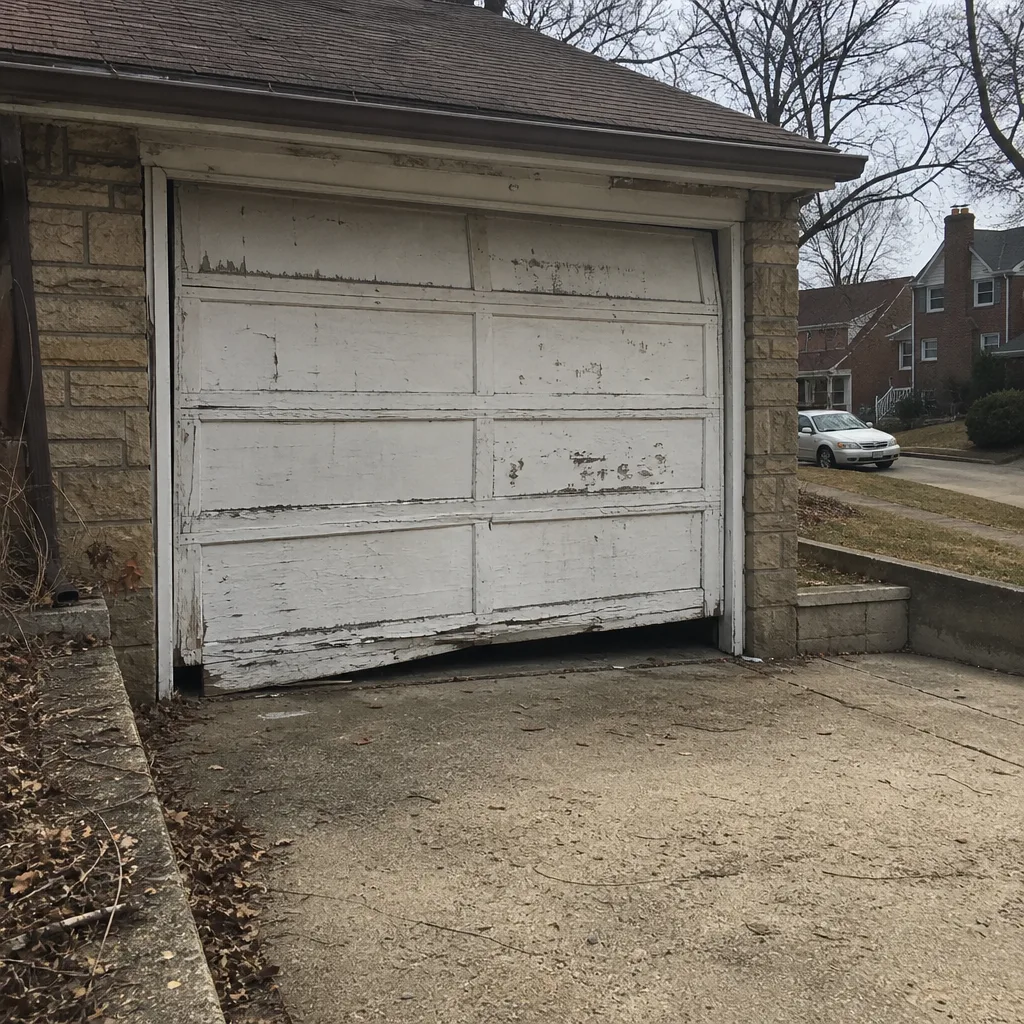
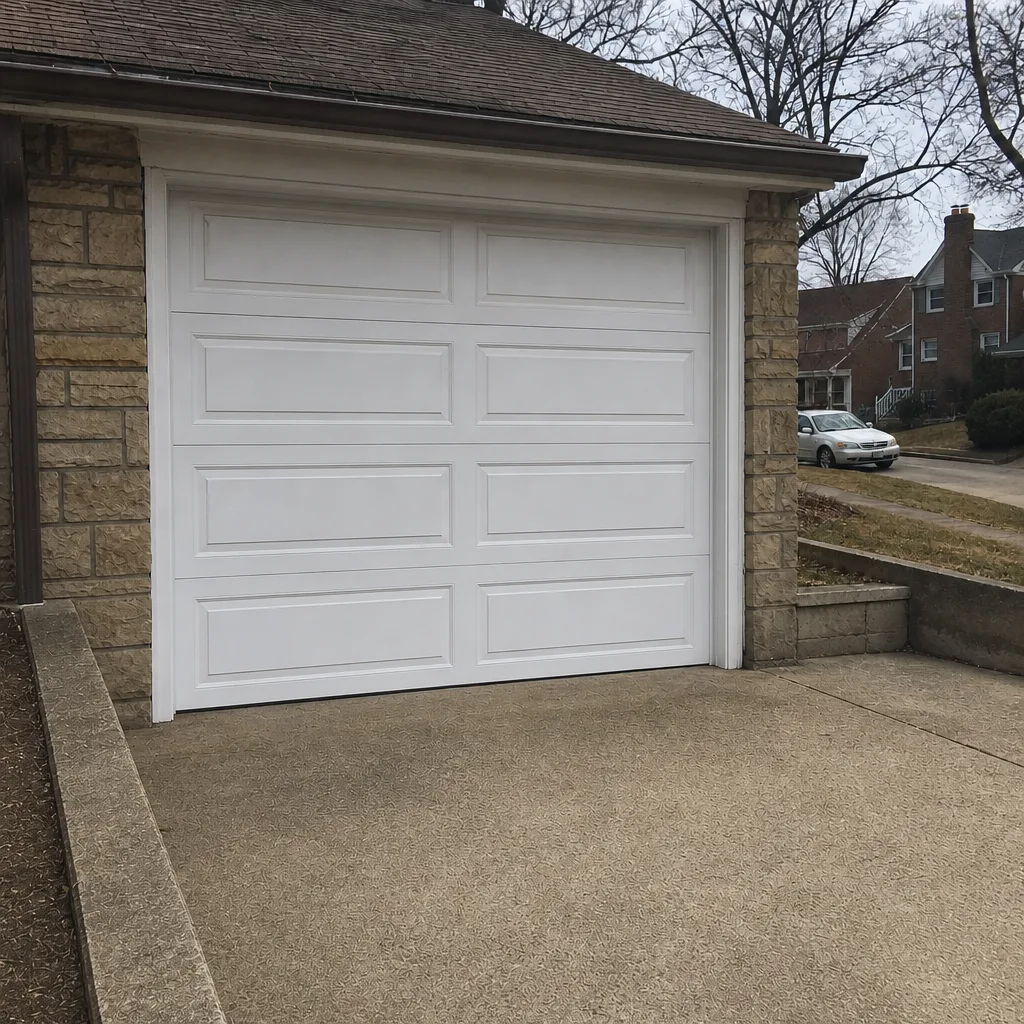
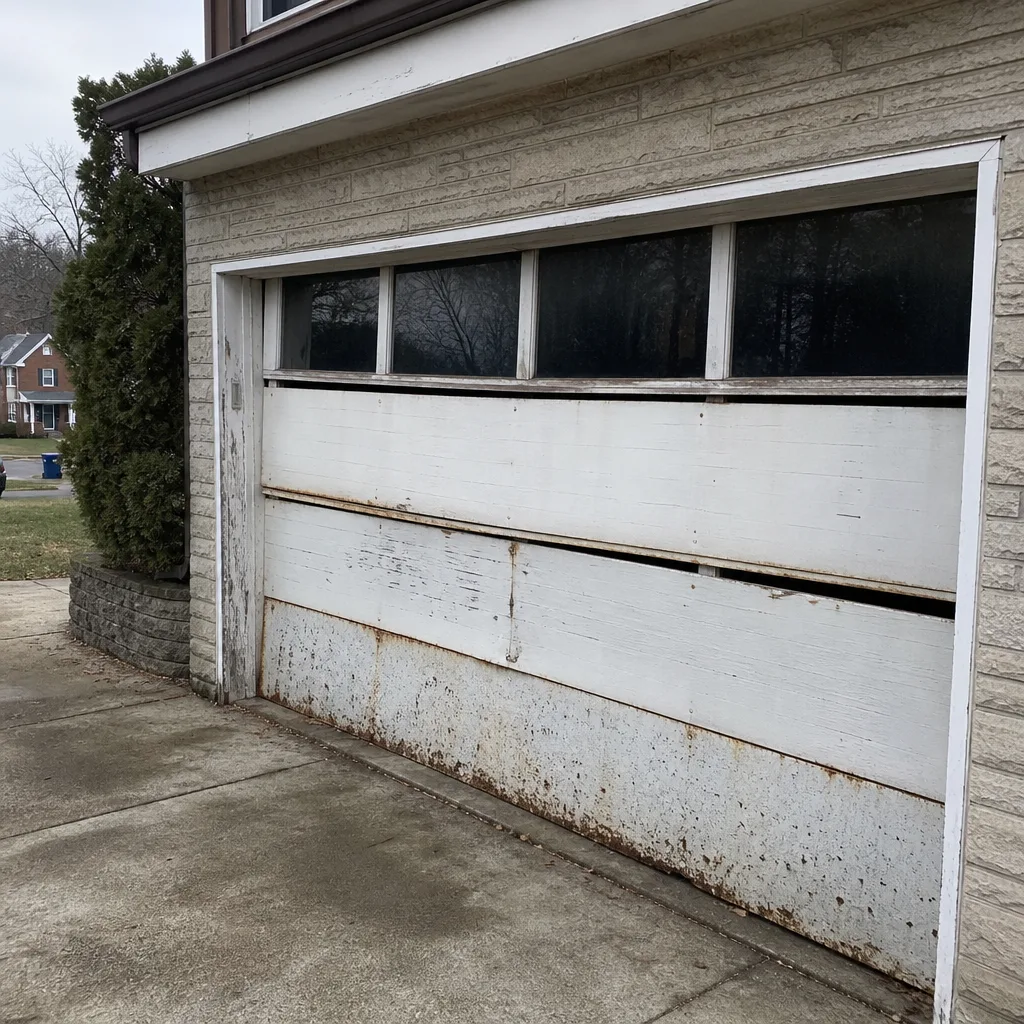
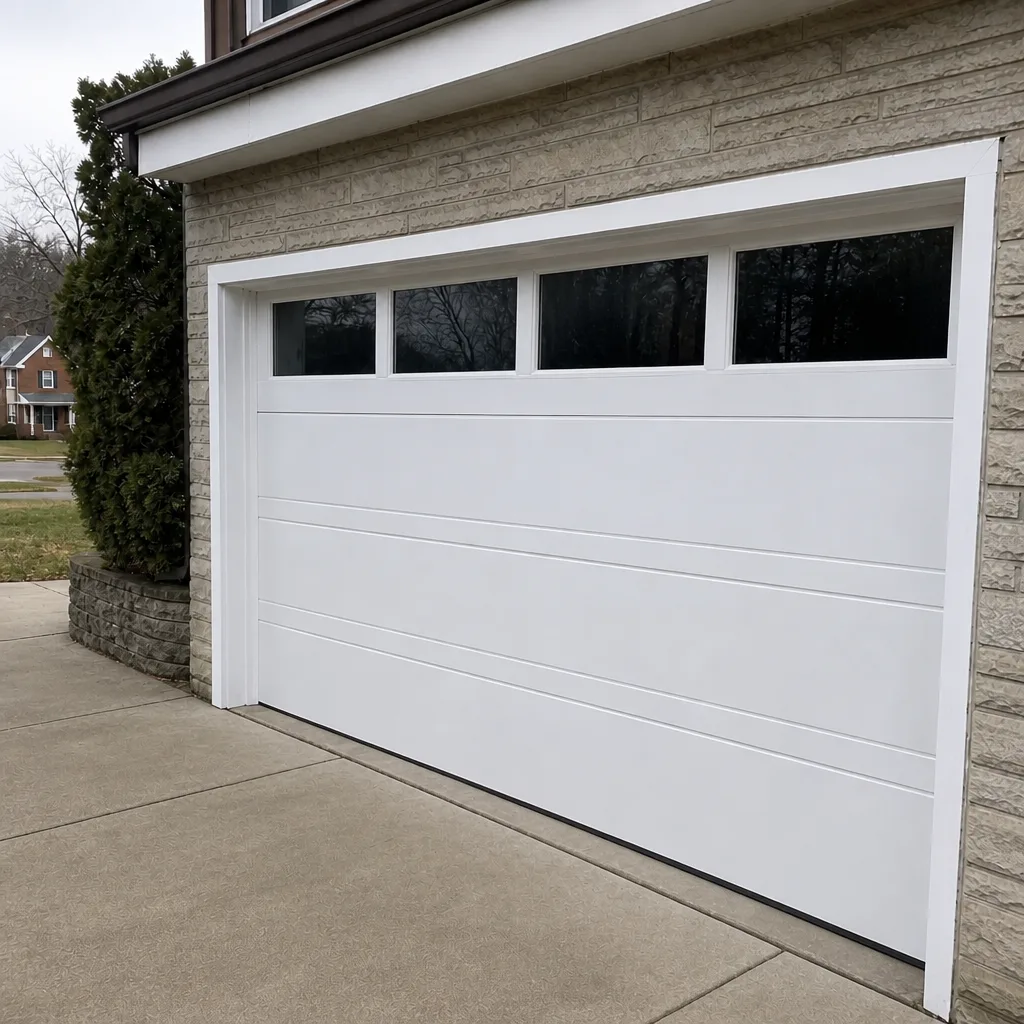
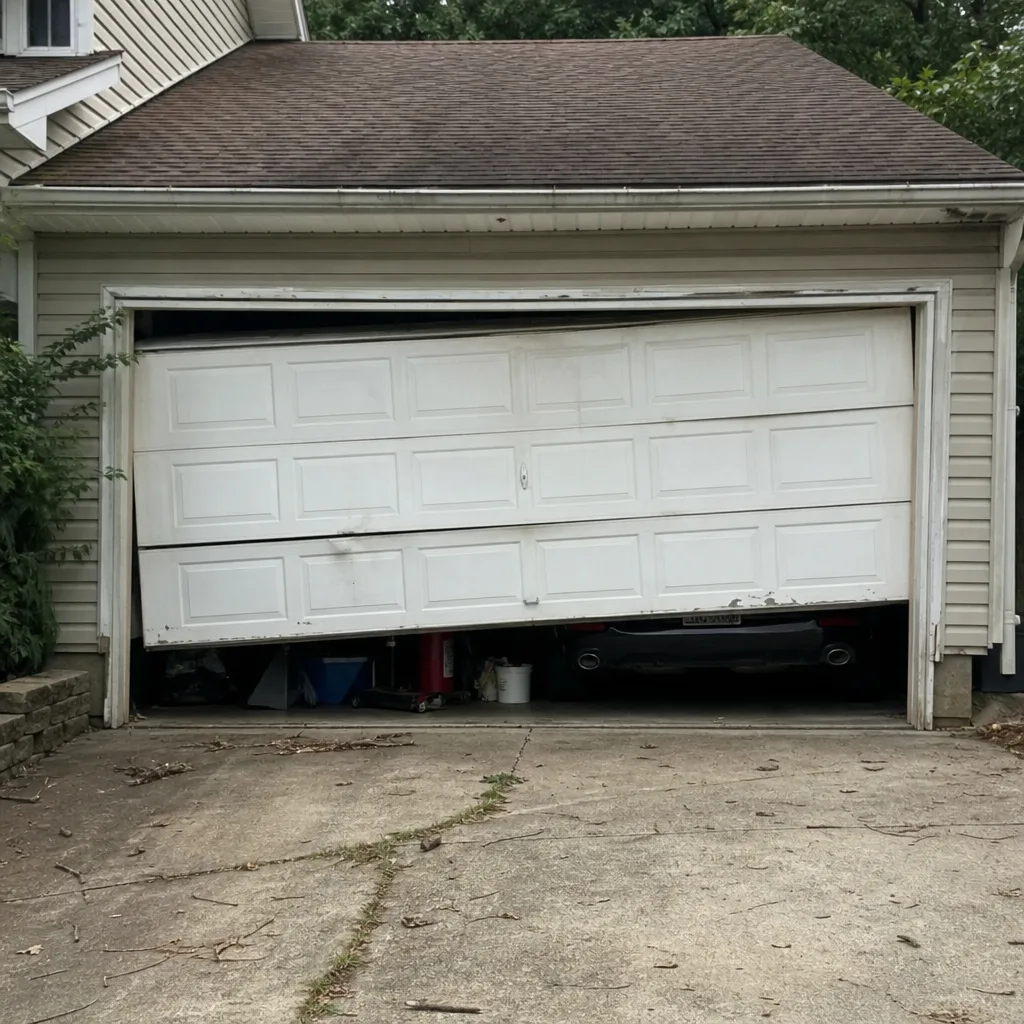
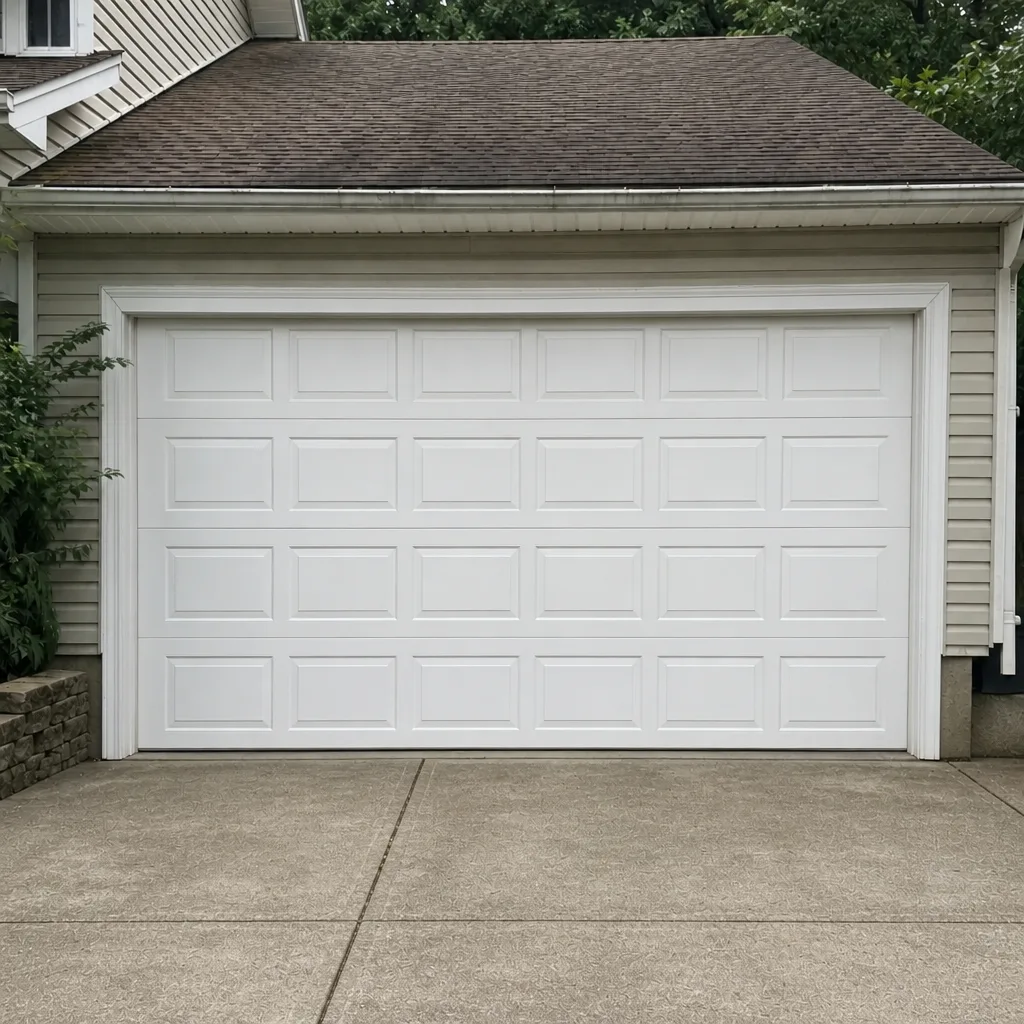
See the difference
 Before
 After
 Before
 After
 Before
 After
Frequently Asked Questions
There’s no surcharge for emergency work. The price is set per job by the written estimate, and you approve it before any work starts. Spring repair and opener repair are each quoted on their own, and a free estimate tells you exactly what your door needs. Call (877) 640-9337 for an exact quote – estimates are free.
Yes, same-day service is available, and we dispatch Sunday through Friday, 7am to 7pm. Call (877) 640-9337 and we’ll book you into the next opening. We answer 24/7, so a call outside dispatch hours goes straight into the next available slot.
No. The written estimate is the price, agreed before any work begins. We diagnose what’s actually wrong, quote it, and get your go-ahead. If we find something additional while we’re in there, we’ll tell you and quote that separately – we don’t add charges to the original job.
The local pro we connect you with is licensed and insured as their state requires, and our technicians have up to 10 years of experience. We work on all eight major brands – LiftMaster, Chamberlain, Genie, Clopay, Amarr, Wayne Dalton, Craftsman, and Raynor – so you’re not getting a generalist.
Stop using the opener immediately, pull the manual release cord straight down to disconnect the trolley, and leave the door down. Don’t try to lift it by hand or run the opener to test it. Then call (877) 640-9337 and we’ll get spring repair scheduled – that’s the specialty we start with.
No. Forcing a frozen door with the opener can snap a cable or damage a spring. Thaw the bottom seal with a hair dryer on low or medium, moving along the seal, then test by hand with the opener disconnected. If it still won’t release, call and we’ll get it open safely.
The Bottom Line
Garage door emergencies follow patterns, and the right first response in each one saves you money and risk. A broken spring means stop the opener and secure the door. A power outage means the manual release, pulled straight down, door stationary. Storm damage means inspect for structural issues before you operate anything, and leave the door down if you’re not sure. A frozen door means thaw the seal, never the opener, and test by hand. Keep the number somewhere you can reach it in the dark. Then call us when things go wrong. We’re an emergency garage door service as a standing offering, not an upsell, and we’ll give you a free estimate and a written price before we start.
Call (877) 640-9337 for a free estimate. We answer 24/7. Fast dispatch from 7am to 7pm, Sunday through Friday.
Written by the team at Garage Door Repair Mount Lebanon.