
Last updated November 23, 2026
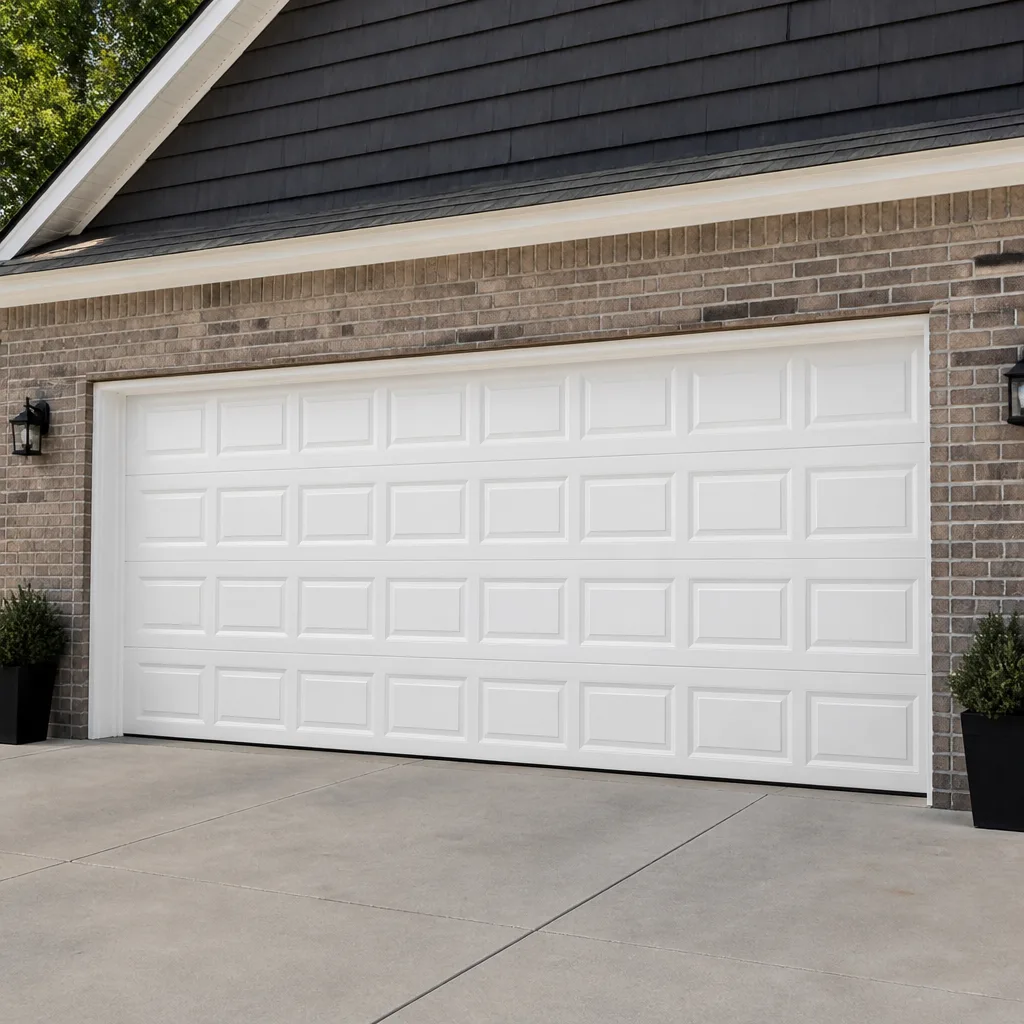 Raised-panel steel
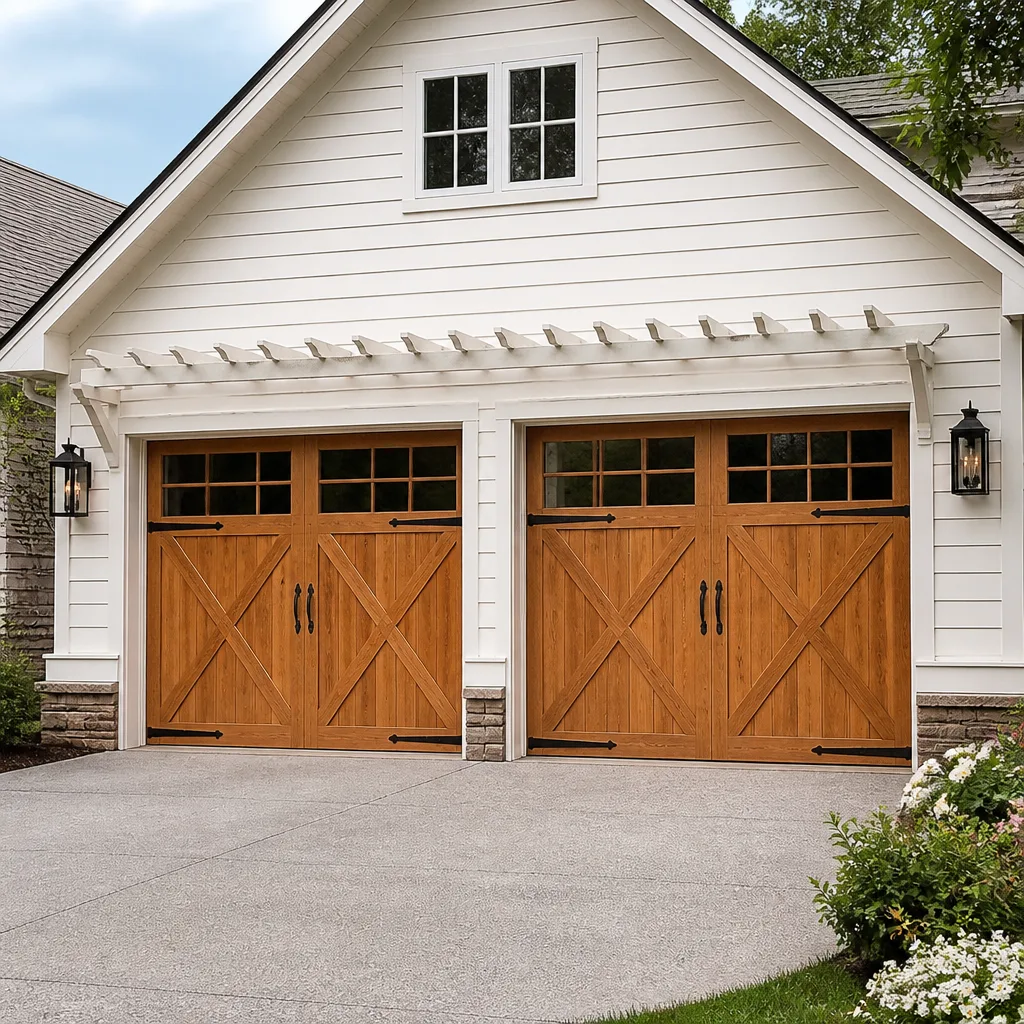 Carriage house
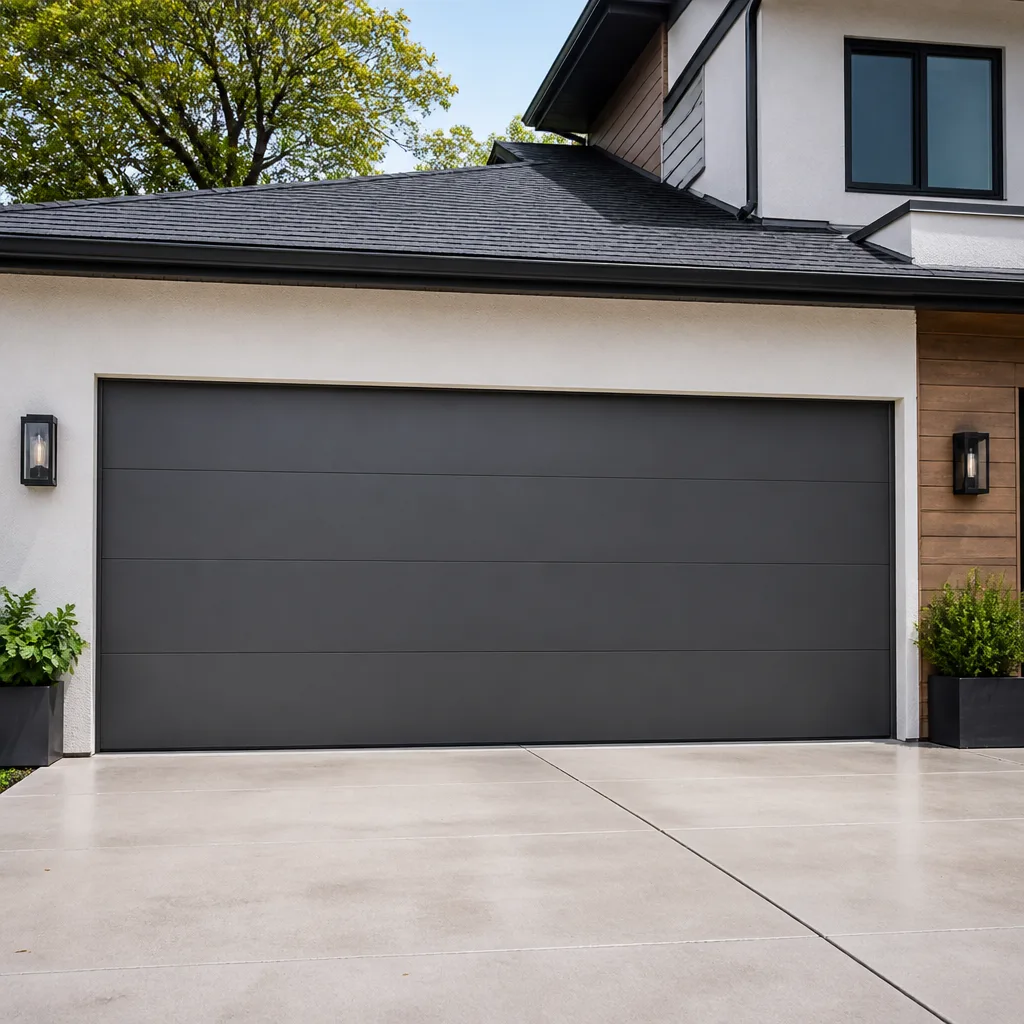 Modern flush
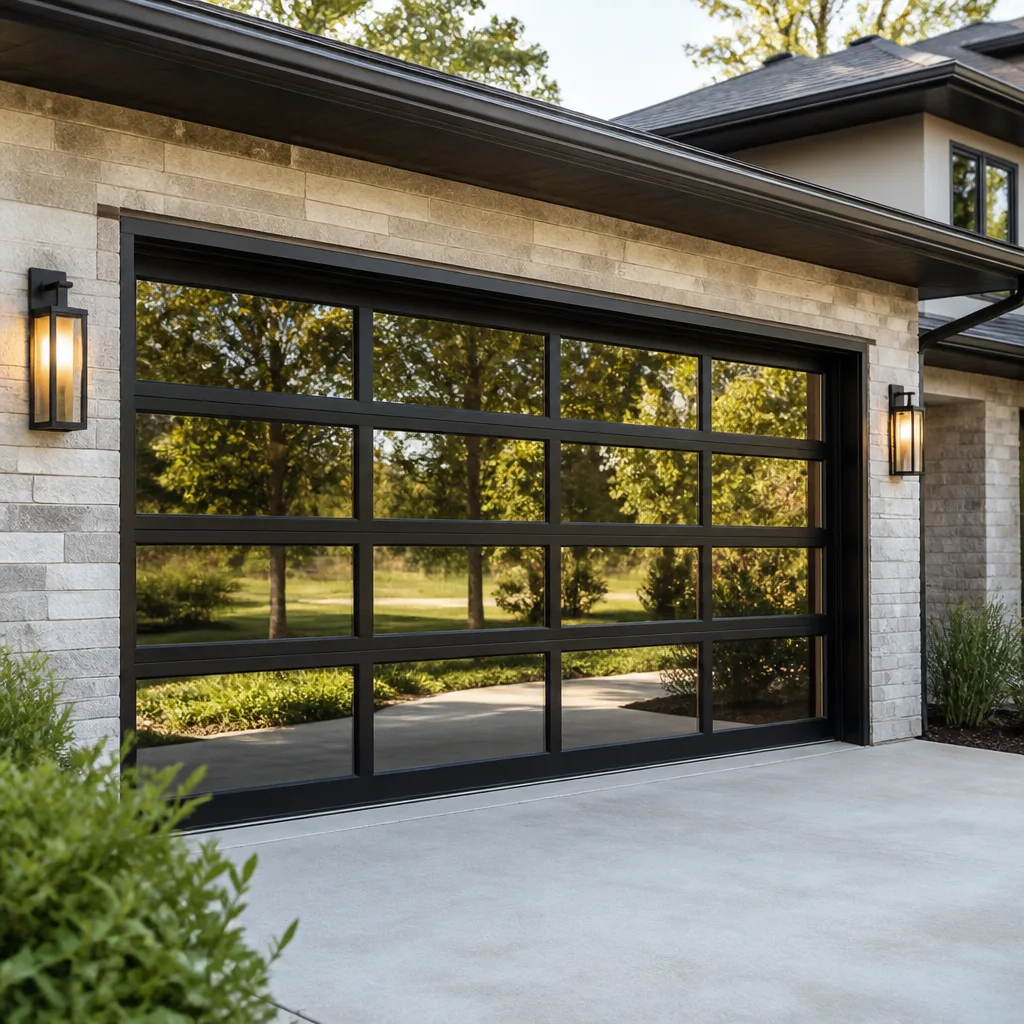 Full-view glass
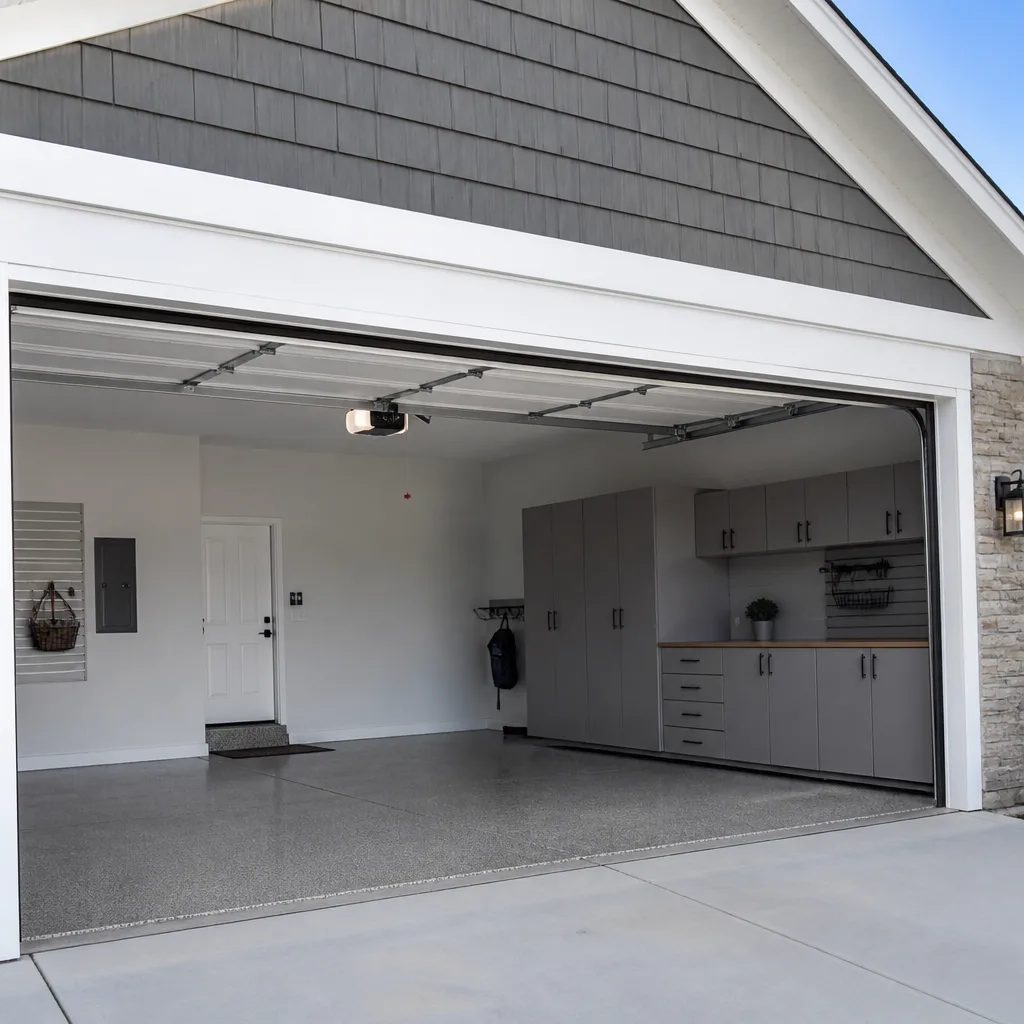 LiftMaster openers
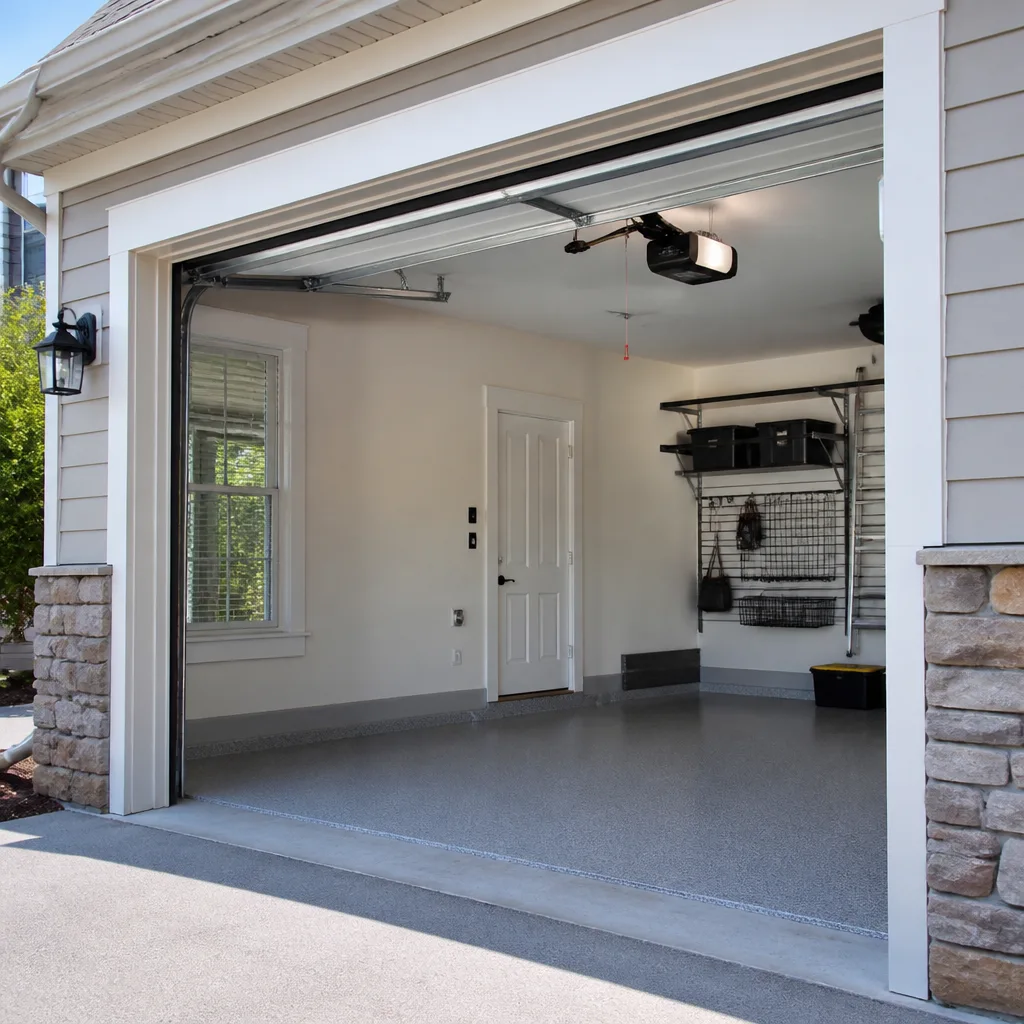 Chamberlain openers
Full 25-point door and opener safety check with every visit - springs, cables, rollers, tracks, and your LiftMaster or Chamberlain opener included
You get a price before we start. It does not change when the pro arrives.
Get your free estimateGarage Door Warning Signs: A Mount Lebanon Homeowner’s Reference Guide
A garage door doesn’t just break. It warns you for weeks first, and almost every catastrophic failure starts as a small symptom with a name and a known fix. The homeowners who end up with a door stuck open in the cold are usually the ones who heard a grind, a pop, or a scrape and let it ride. This guide translates what your door is telling you into the specific component behind it, so you know what you’re dealing with before you pick up the phone. We’ll cover sounds, movement, opener behavior by drive type, a visual checklist, and which warnings mean stop using the door today. It’s written for Mount Lebanon homes, where older doors and legacy openers are common, and where the freeze-thaw cycle works on hardware all winter.
Quick Answer
The most urgent garage door warning signs are a snapped torsion spring (door suddenly heavy and hard to lift), a frayed or kinked cable, a door that comes off its track, and a door that reverses without obstruction. Grinding, popping, scraping, and clicking are usually fixable with a scheduled call. Slow-up-fast-down movement signals spring tension loss. Treat unusual sounds and uneven movement as early warnings, not background noise.
Styles & brands we work with
- Raised-panel steel
- Carriage house
- Modern flush
- Full-view glass
- LiftMaster openers
- Chamberlain openers
Table of Contents
- What Each Garage Door Sound Means
- Reading Movement: What Uneven Travel Tells You
- Opener Warning Signs by Drive Type
- The Visual Inspection Checklist
- Urgency Triage: Stop Now or Schedule Later
- How Mount Lebanon Weather Accelerates Wear
- Seasonal Checks for Mount Lebanon Homeowners
What Each Garage Door Sound Means
Sounds are the most reliable early diagnostic a garage door gives you, because each component fails with a signature noise. If you can name the sound, you can narrow the cause before anyone touches the door.
- Grinding: Worn nylon or steel rollers, dry hinges, or a failing opener gear. A metal-on-metal grind that gets louder over weeks usually points to rollers first.
- Popping or snapping: Torsion spring coils binding against each other, or an extension spring catching on its track. A single loud pop followed by a slack door often means a spring has failed.
- Scraping: The door panel rubbing a misaligned track, or a bent section dragging on the frame.
- Clicking that doesn’t move the door: The opener’s logic board relay engaging without the motor turning, common on older Craftsman and Chamberlain units.
- Rattling over the whole cycle: Loose fasteners, worn hinge knuckles, or a panel that has worked loose from its stile.
A grind you can hear from the kitchen is not normal wear you should live with. It’s a component telling you it’s on borrowed time. In our experience, catching a grinding roller early is a quick repair; catching it after the roller seizes and the door jumps the track is a bigger job. Mount Lebanon homes with decades-old doors often have the original steel rollers still in place, and those get loud before they fail.
Reading Movement: What Uneven Travel Tells You
The way a door moves tells you as much as the way it sounds. Watch a full open-and-close cycle and note the pattern.
- Slow going up, fast coming down: Classic sign of torsion spring tension loss. The springs can’t counterbalance the door’s weight on the way up, so the opener strains; gravity takes over on the way down.
- Shaking or wobbling during travel: Worn rollers, a loose hinge, or a slightly bent track. A door that shimmies is putting lateral stress on the tracks with every cycle.
- Uneven gap at the floor: One side sitting higher than the other suggests cable imbalance or a track that’s out of plumb.
- Jerking or stalling mid-travel: Binding in the track, a failing opener, or a door that’s out of balance and overloading the motor.
- Reversing without an obstruction: Safety sensor misalignment, or a logic board that needs attention.
Do a simple balance check with the door disconnected from the opener: lift it halfway by hand. If it won’t stay put, the springs are out of balance and the opener is doing work it wasn’t built to do. Don’t force a door that feels extremely heavy. That’s a broken-spring situation, and it’s the one case where you stop and call rather than investigate further.
Opener Warning Signs by Drive Type
Openers fail differently depending on how they’re built, and knowing your drive type tells you which warning signs to watch for.
Chain-drive openers
Loud by design, but a new rattle or a grinding growl means the chain has stretched, the sprocket is worn, or the rail needs lubrication. Chain drives on older Craftsman units are common in Mount Lebanon garages and often outlive their gears.
Belt-drive openers
Quiet when healthy. A belt drive that suddenly gets noisy has a fraying belt, a worn idler pulley, or a loose tension setting. Because these are quiet, any new sound stands out and is worth acting on early.
Jackshaft openers (like the LiftMaster 8500)
These mount on the wall beside the torsion bar rather than overhead. Warning signs include a motor that runs but doesn’t turn the door (a coupling or gear issue), error codes on the wall control, or a battery backup that no longer holds. Because they remove the overhead rail, jackshaft problems are easy to miss until the door stops responding.
Smart and connected openers
Chamberlain myQ and LiftMaster connected systems give you a warning most people never had: app alerts for obstructions, failed cycles, or a door left open. If your app is throwing repeated obstruction alerts, treat that as a real symptom, not a glitch to dismiss.
The Visual Inspection Checklist
You can spot most serious problems with a two-minute look, done from the floor with the door closed. Never put your hands near the springs, cables, or drums while checking; look, don’t touch moving parts.
- Cables at the drums: Look for fraying, kinks, or rust at the bottom corners. A frayed cable is a stop-and-call sign.
- Hinges near the roller stems: Check for cracking or a hinge that’s pulling away from the panel.
- Bottom section at the weatherstrip: Rust or rot where the door meets the threshold, common after wet winters.
- Safety sensors: A cloudy lens or a misaligned eye will cause the door to reverse. Wipe the lenses and check alignment.
- Springs: A visible gap in a torsion spring means it has snapped. Don’t try to operate the door if you see one.
- Track: Look for dents, bends, or a track that’s pulled away from the frame.
- Panels: Dents and cracks that affect how the door seals or travels.
Anything involving the springs or cables is not a DIY inspection. Those parts are under extreme tension, and a mistake there can cause serious injury. Flag what you see and let a trained professional handle it. For the repair itself, our Garage Door Repair Mount Lebanon team works on the brand you already own.
Urgency Triage: Stop Now or Schedule Later
Not every warning sign is an emergency. Some mean stop using the door today; others give you a week to book a scheduled visit. Here’s how we sort them.
Stop using the door immediately
- A broken torsion or extension spring (door is extremely heavy or won’t stay up).
- A frayed, kinked, or snapped cable.
- A door that has come off its track or is hanging unevenly.
- Any loud bang followed by a door that won’t lift normally.
These are genuine safety hazards. Don’t force the door, and keep hands and children clear of the moving parts. This is exactly the situation our garage door spring repair service is built for, and it’s the most common reason doors fail in the first place.
Schedule within a week
- Grinding or scraping that’s getting louder.
- A door that shakes or travels unevenly but still works.
- Clicking that doesn’t move the door, or an opener that’s straining.
- A reversing door caused by a dirty sensor (try cleaning the lens first).
- Rust at the bottom section or a worn weatherstrip.
These can wait for a scheduled visit, but they won’t fix themselves. A grinding roller becomes a seized roller becomes a jumped track. Booking early keeps a small repair small.
How Mount Lebanon Weather Accelerates Wear
Mount Lebanon’s freeze-thaw winters are hard on garage door hardware. Metal contracts and expands with temperature swings, which works loose fasteners and stresses springs. Road salt tracked in on tires finds its way onto tracks, hinges, and the bottom section, and it accelerates corrosion on steel parts. The wet spring and fall add moisture to the equation, and wood-framed door sections and weatherstripping take the worst of it.
That means a symptom you can safely ignore in a milder climate deserves attention here. A grinding roller in a Mount Lebanon garage in December is more likely to seize by February. Spring tension loss shows up faster when the temperature drops, because cold makes the metal less forgiving and the door heavier to lift. Homeowners in older neighborhoods around Mount Lebanon often have original hardware that has seen many winters, and that hardware is exactly where the early warnings show up first. The practical takeaway: watch for the sound and movement changes on this list a little more closely through the cold months, and don’t put off a scheduled repair until spring.
Seasonal Checks for Mount Lebanon Homeowners
A quick seasonal routine catches most of what this guide covers before it turns into a stuck door. Run through this a couple of times a year.
- Test the safety reverse: Put a roll of paper towels under the door and close it. It should reverse on contact with the object. If it doesn’t, the opener needs attention.
- Listen on a quiet morning: Cycle the door and note any new grind, pop, or scrape.
- Watch a full cycle for movement: Check for shaking, uneven gaps, or stalling.
- Look at the cables and springs from the floor: No touching; flag fraying or a visible spring gap.
- Clean and align the sensors: Wipe the lenses and confirm the eyes line up.
- Inspect the bottom section: Watch for rust at the weatherstrip after wet spells and salt exposure.
If anything on this list looks off, a scheduled visit is cheaper than an emergency later. When you’re ready to book, our garage door repair service covers both mechanical and opener problems in one call.
Common Mistakes to Avoid
- Ignoring a grind because the door still opens. A grinding roller is a warning, not a quirk. Waiting lets it seize and jump the track, turning a small fix into a larger one.
- Forcing a door after a loud pop. A pop followed by a heavy door usually means a broken spring. Don’t keep operating it; that’s a stop-and-call situation.
- Trying to adjust springs or cables yourself. These parts are under extreme tension. A mistake can cause serious injury, so leave them to a trained professional.
- Blaming the opener for everything. A door that reverses or travels unevenly is often a spring, track, or sensor issue, not the motor. Misdiagnosing it leads to replacing the wrong part.
- Dismissing app alerts on a smart opener. Repeated obstruction alerts on a Chamberlain myQ or LiftMaster system are real symptoms worth checking, not glitches.
- Skipping seasonal checks in Mount Lebanon’s freeze-thaw winters. Cold and road salt wear hardware faster here, so the checks on this list matter more, not less.
- Putting off a dirty safety sensor. A reversing door from a smudged lens is an easy fix, but an ignored one is a real safety problem.
See the difference
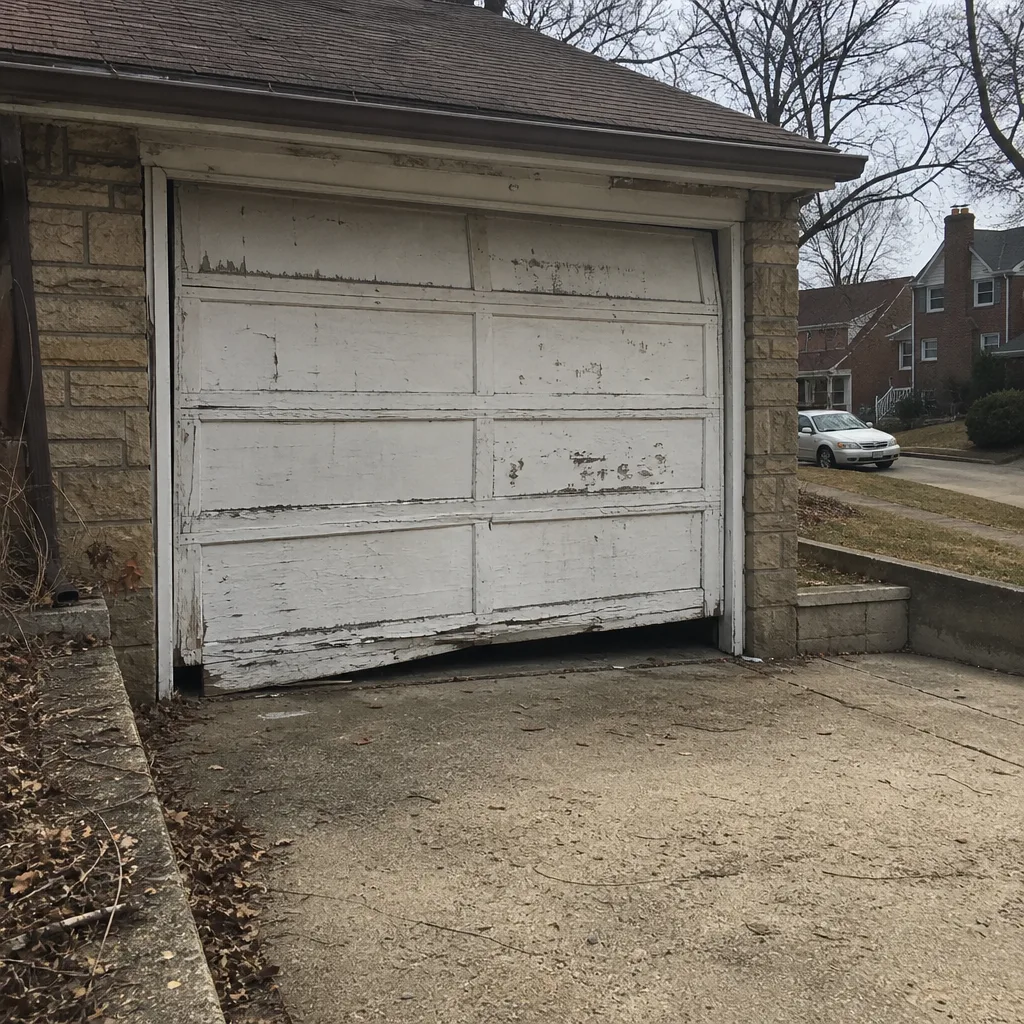 Before
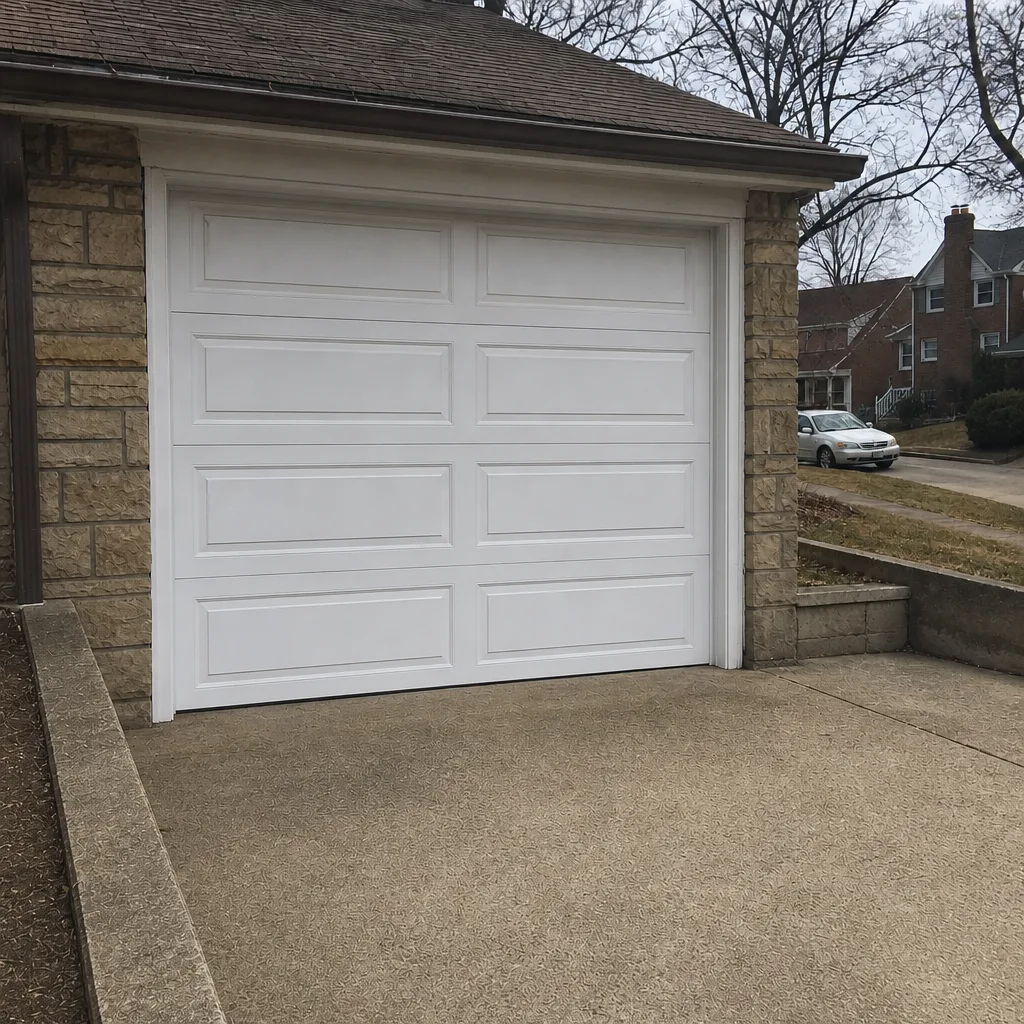 After
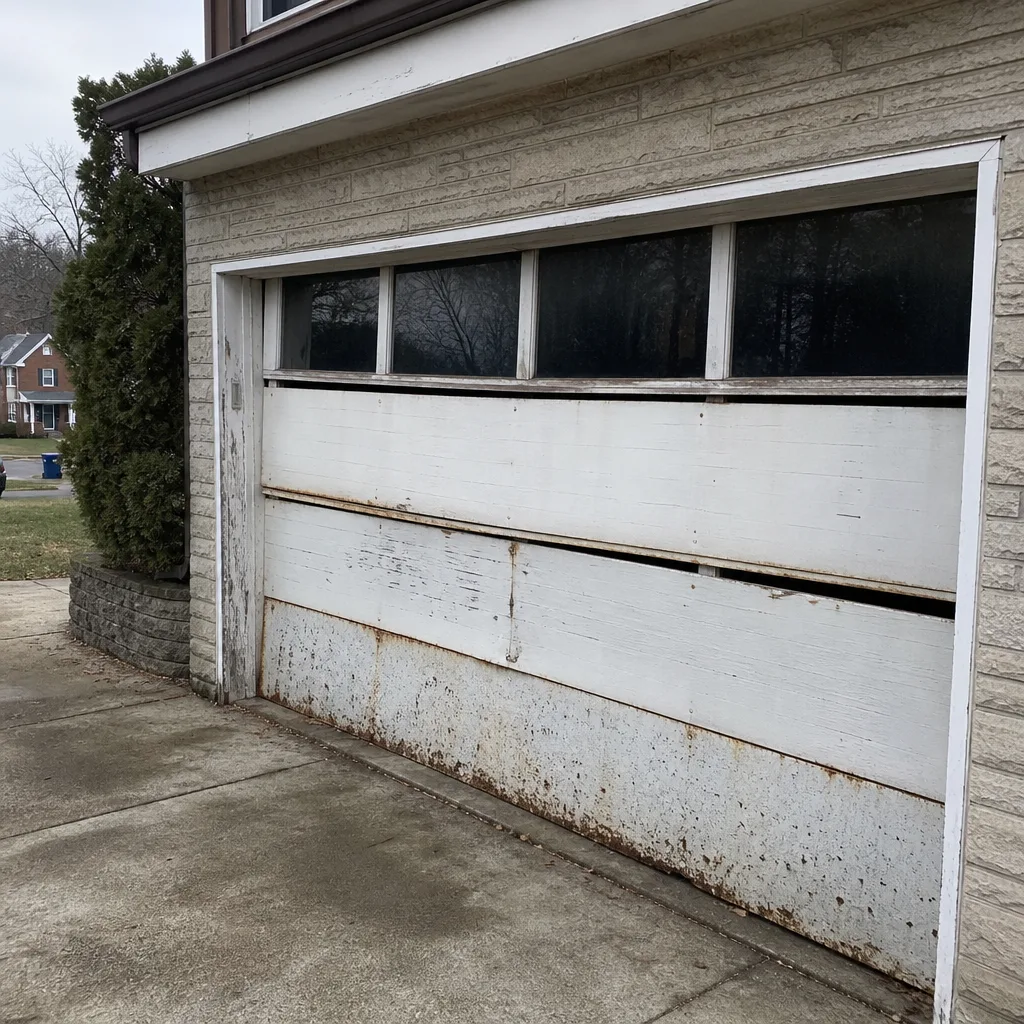 Before
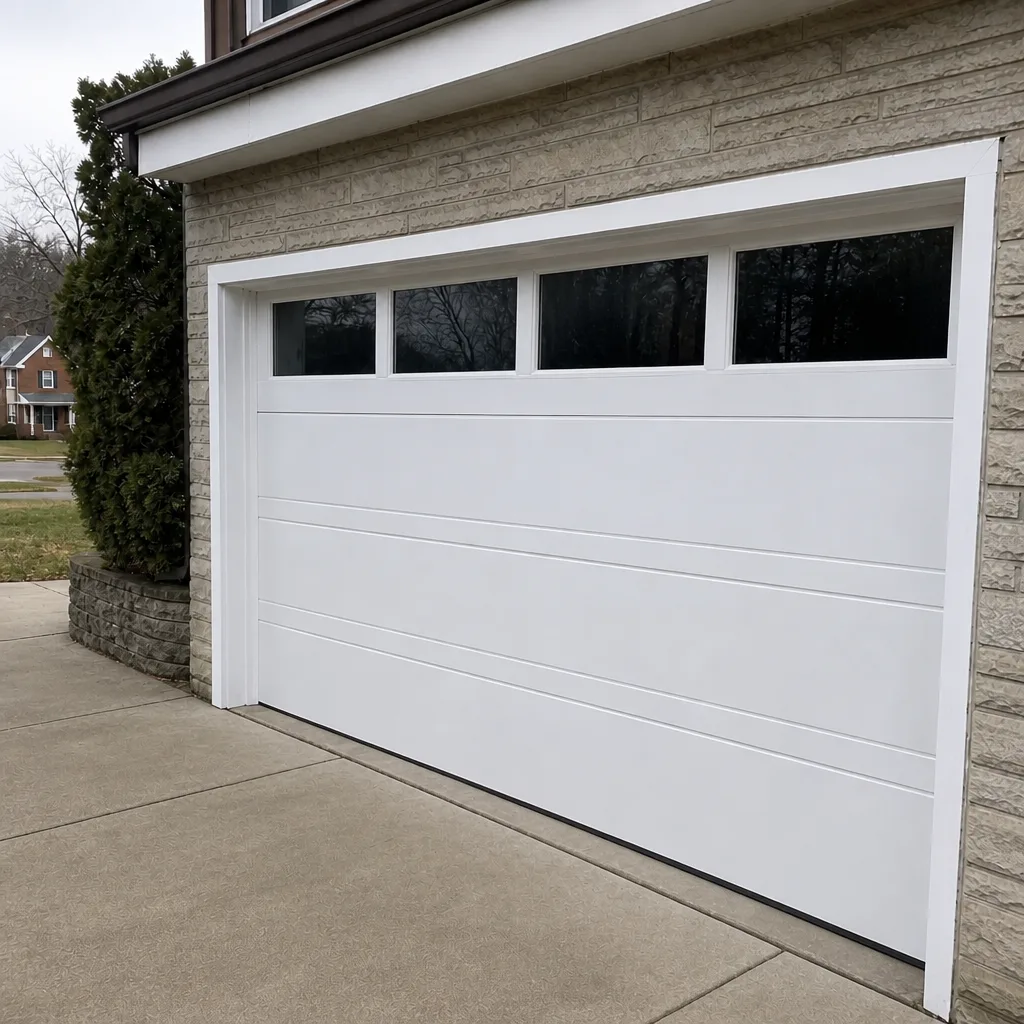 After
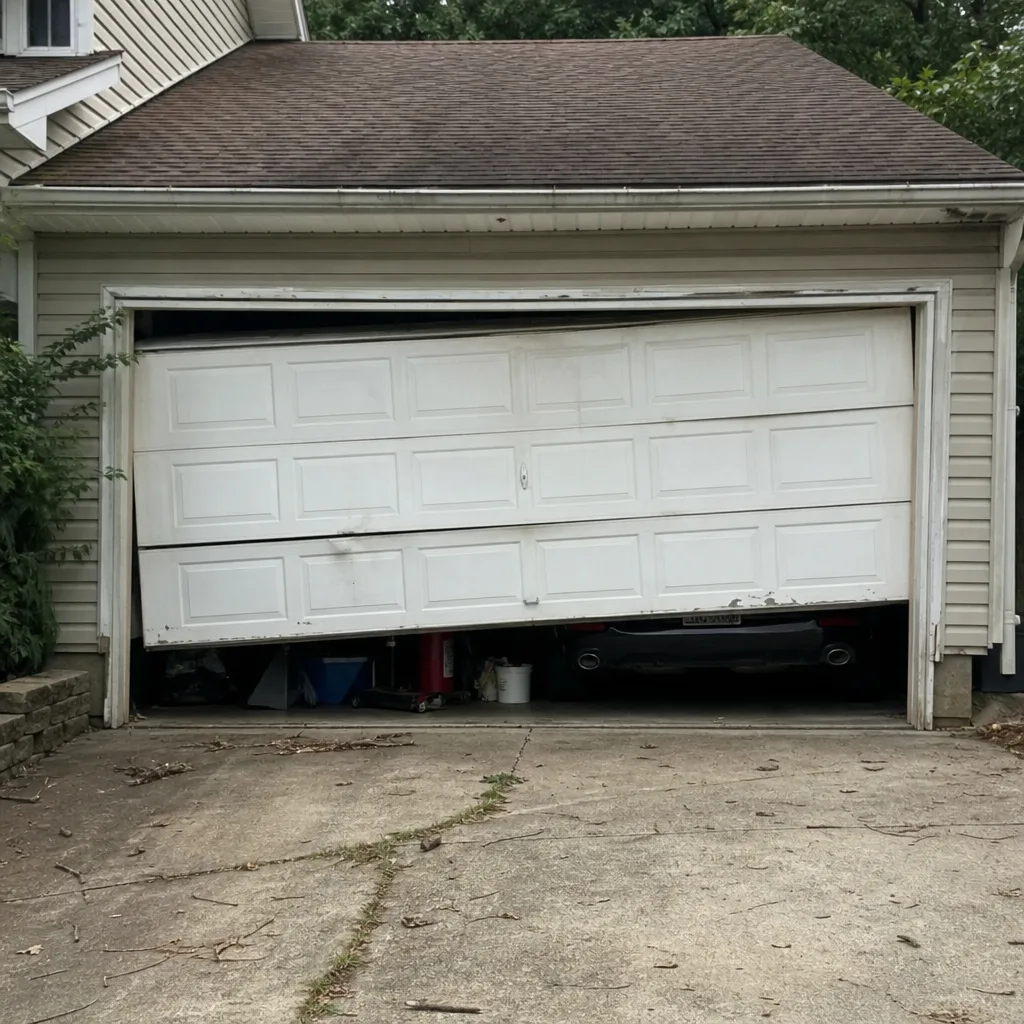 Before
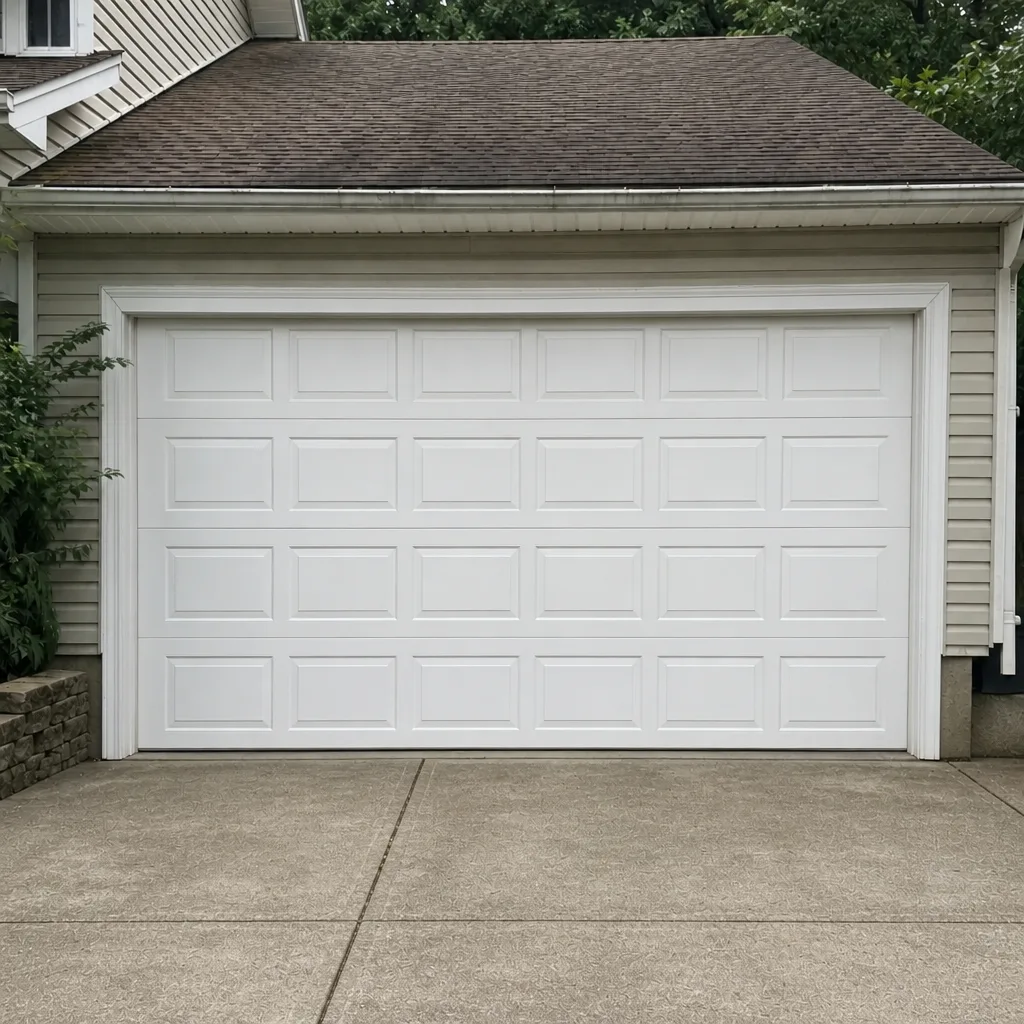 After
When to Call a Professional
Call a professional the moment you see a broken spring, a frayed or snapped cable, a door off its track, or a door hanging unevenly. Those are the stop-now signs, and they’re the ones where a trained hand matters most. For grinding, scraping, shaking, clicking, or an opener that strains, you have room to schedule a visit rather than wait for a failure. If your door reverses without an obstruction and cleaning the sensors doesn’t fix it, that’s a logic board or alignment issue worth a professional look. Garage Door Repair Mount Lebanon offers free estimates in Mount Lebanon; call (877) 640-9337. Prices are quoted and agreed before any work starts, and our technicians work on LiftMaster, Chamberlain, Craftsman, Raynor, and the other major brands you already own.
Frequently Asked Questions
A broken torsion or extension spring, a frayed or snapped cable, a door that has come off its track, and a door that reverses without obstruction are the most serious. The first three are stop-using-the-door signs and should be handled by a trained professional. A reversing door is often a dirty sensor, so clean the lenses and check alignment first, then call if it persists.
You’ll usually hear a loud pop or bang, then find the door is suddenly very heavy and won’t stay up. A visible gap in a torsion spring confirms it. Don’t keep operating the door. Call (877) 640-9337. We answer 24/7. Fast dispatch from 7am to 7pm, Sunday through Friday. Estimates are free.
Grinding usually points to worn rollers, dry hinges, or a failing opener gear. It’s rarely an emergency on its own, but a grind that’s getting louder means a component is close to seizing. Catch it early and it’s a quick fix; wait and it can become a jumped track.
That pattern signals torsion spring tension loss. The springs can’t counterbalance the door’s weight on the way up, so the opener strains, and gravity takes over on the way down. It’s worth a scheduled visit before the opener is overloaded. Our garage door opener repair covers the opener side of the problem if the motor has been strained too.
Yes, we offer emergency garage door service for stop-now problems like a broken spring, a snapped cable, or a door off its track. Call (877) 640-9337. We answer 24/7. Fast dispatch from 7am to 7pm, Sunday through Friday. The price is set by a written estimate agreed before any work starts.
Yes. You can test the safety reverse with an object, listen for new sounds, watch a full cycle for shaking or uneven gaps, and look at the cables and springs from the floor without touching them. Anything involving the springs or cables is not a DIY check. Flag what you see and let a professional handle it.
The Bottom Line
Your garage door tells you what’s wrong before it fails, if you know what to listen and look for. Grinding, popping, and scraping each point to specific parts. A slow-up-fast-down pattern means spring tension loss; shaking means worn rollers or hinges; an uneven floor gap means cable imbalance. Opener warnings vary by drive type, so know whether you have a chain, belt, or jackshaft. Sort what you find into stop-now signs and schedule-later signs, and don’t force a door after a loud pop. Run the seasonal checks through Mount Lebanon’s cold months, and book early rather than waiting for a failure.
For specific brand work, we service LiftMaster, Chamberlain, Craftsman, Raynor, and more, with an approach that repairs first and doesn’t push a replacement you don’t need. Call (877) 640-9337 for a free estimate. We answer 24/7. Fast dispatch from 7am to 7pm, Sunday through Friday.
Written by the team at Garage Door Repair Mount Lebanon.