
Last updated November 23, 2026
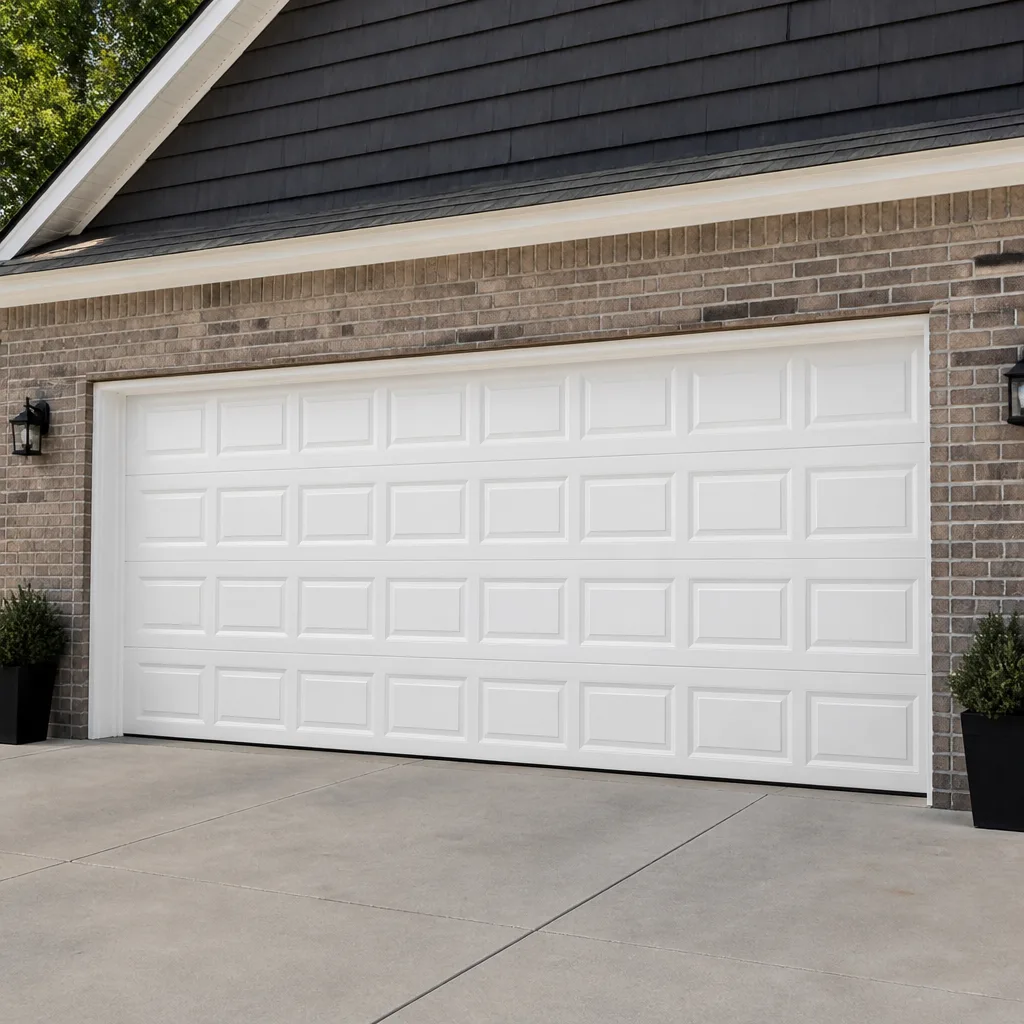 Raised-panel steel
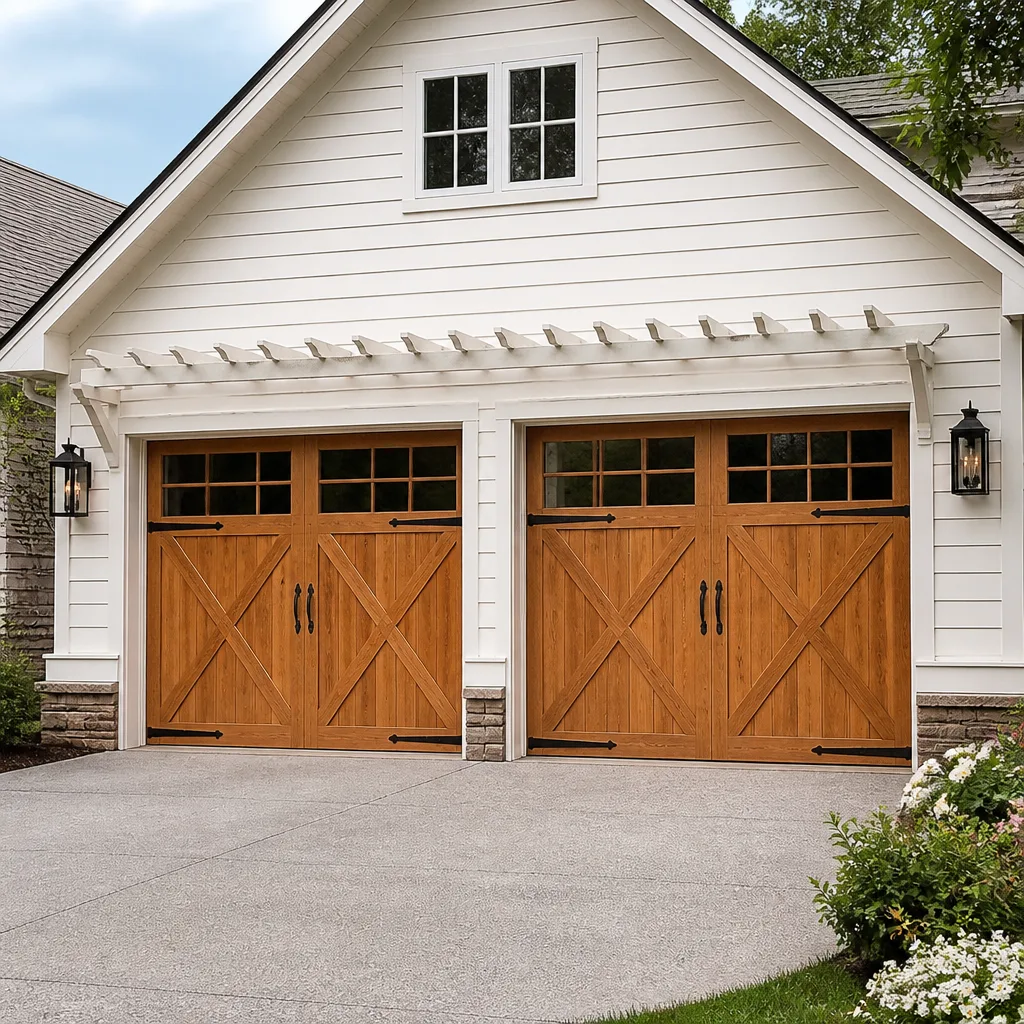 Carriage house
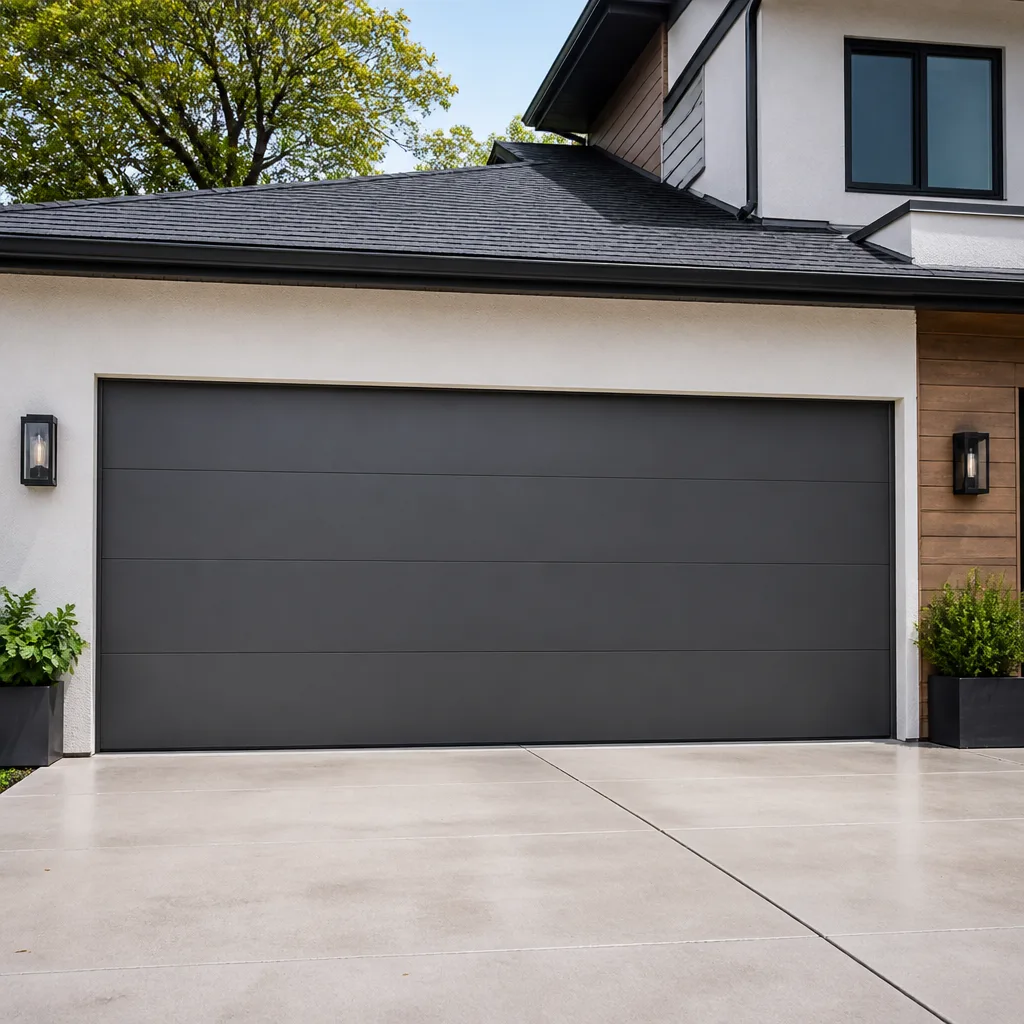 Modern flush
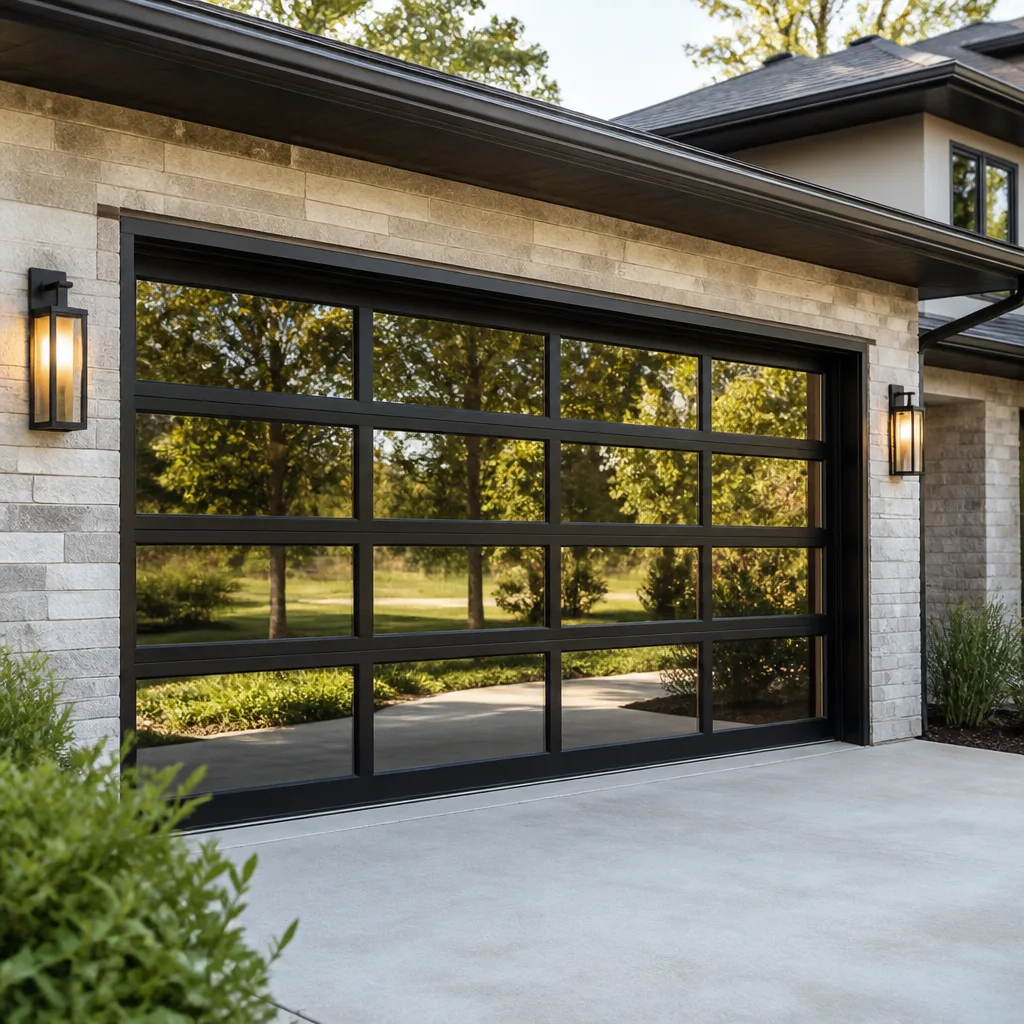 Full-view glass
 LiftMaster openers
 Chamberlain openers
Full 25-point door and opener safety check with every visit - springs, cables, rollers, tracks, and your LiftMaster or Chamberlain opener included
You get a price before we start. It does not change when the pro arrives.
Get your free estimateGarage Door Repair Troubleshooting in Mount Lebanon: Common Problems and How to Fix Them
A garage door that reverses before it touches the floor isn’t broken. It thinks the floor is somewhere else. That single misunderstanding sends plenty of Mount Lebanon homeowners out to buy a new opener when the real fix is a travel limit adjustment on the unit they already own. We see the same pattern across the other failures too: a grinding noise misread as a track problem when a roller is the culprit, a door that won’t close blamed on the opener when winter has hardened the bottom seal. This guide maps symptoms to components so you can stop chasing the wrong repair.
Quick Answer
Most garage door problems in Mount Lebanon fall into six mechanical categories: springs, openers, tracks and rollers, cables, bottom seals, and logic boards. Match the symptom to the component before you call anyone. A door that reverses early is usually an opener travel-limit issue, a door that won’t lift is usually a spring, and a grinding door is usually a roller or track. Intermittent faults that come and go point to electrical or logic board problems, not mechanical ones.
Styles & brands we work with
- Raised-panel steel
- Carriage house
- Modern flush
- Full-view glass
- LiftMaster openers
- Chamberlain openers
Table of Contents
- Symptom-to-Component Map: The Six Failure Categories
- Spring Faults: The Loudest Failure and the Most Dangerous
- Opener Faults and Diagnostic Blink Codes
- Track and Roller Problems: What Grinding Really Means
- Freeze-Thaw and the “Door Won’t Close” Complaint
- One-Time Failure vs. Intermittent Fault
- The Safe DIY Boundary Line
- When to Call a Professional
Symptom-to-Component Map: The Six Failure Categories
Before you pick up the phone, identify which of the six categories your failure belongs to. Getting this right cuts diagnostic time in half and stops you paying for a repair you don’t need. Here’s how the symptoms line up.
- Spring fault: The door won’t lift at all, or lifts a few inches and stops. You hear a loud bang from the garage. The opener motor runs but the door doesn’t move.
- Opener fault: The door reverses before hitting the floor, the motor hums without moving anything, the remote stops working, or the wall button is dead.
- Track and roller fault: Grinding, squealing, or scraping during travel. The door binds at one point in its path. You can see a bent track section or a roller out of its groove.
- Cable fault: The door hangs crooked, one side sags, or you see a slack or snapped cable at the drum.
- Bottom seal fault: The door closes but reverses immediately. You can see daylight under the door, or the rubber seal is cracked and stiff.
- Logic board fault: The behavior is inconsistent. The door works one day and not the next, or the opener beeps and flashes without moving.
The key diagnostic question is where in the travel the failure happens. A door that fails at the very start of closing is telling you something different from a door that fails halfway up. A door that fails at the same point every time is mechanical. A door that fails at random points is electrical.
Why the category matters more than the symptom
Two failures can produce the same noise and have completely different causes. A grinding sound at the top of travel is often a worn trolley carriage. A grinding sound throughout travel is usually a roller or track issue. If you describe only the noise, you’ll get a guess. If you describe the noise plus the failure point in travel plus whether it’s constant or intermittent, the diagnosis is nearly done before anyone arrives. That’s the difference between a technician who knows what to bring and one who has to make two trips.
Spring Faults: The Loudest Failure and the Most Dangerous
Broken springs are the number one reason garage doors fail, and they’re the one failure we treat as a dedicated specialty rather than an add-on. A torsion spring runs across the top of the door on a shaft. An extension spring runs along the horizontal track on each side. Both store the energy that lifts a door weighing well over a hundred pounds. When one breaks, the door becomes dead weight.
How to tell a spring failure from an opener failure
Pull the emergency release cord to disconnect the door from the opener, then try to lift the door by hand. If it’s too heavy to lift or won’t stay up, the springs are the problem and the opener is likely fine. If the door lifts easily by hand but the opener won’t move it, the problem is in the opener. This one test settles the question. Do it carefully and don’t force a door that feels heavy.
What a spring replacement involves
Torsion springs are under extreme tension. Adjusting, winding, or replacing one without the correct winding bars and training can cause serious injury. We don’t publish step-by-step instructions for spring work, and we’d advise you not to look for them. What you can do is confirm the failure and stop operating the door. Running an opener against a broken spring strips gears and can burn out the motor, turning one repair into two. Call for garage door spring repair and leave the door down until a technician arrives.
Springs are usually replaced as a matched pair, because both sides have cycled the same number of times and the second one is close behind the first. A technician will confirm the wire gauge and inside diameter before ordering, which matters more in older Mount Lebanon garages where door weights vary. Our technicians have up to 10 years of experience with both torsion and extension systems, and we work with the door brands you already own, including Clopay and Amarr.
Opener Faults and Diagnostic Blink Codes
Openers from LiftMaster, Chamberlain, Genie, and Craftsman all use diagnostic LED blink codes, and most homeowners don’t know they exist. The LED on the back or side of the motor unit counts out a pattern of flashes when something is wrong. That pattern tells you what the opener thinks is failing. Reading it before you call saves time and tells the technician which part to bring.
How to read the blink codes
- Find the LED on the motor unit. It’s usually on the back panel or the side facing the door.
- Press the wall button or remote and watch the LED.
- Count the flashes in the pattern. A pause separates one digit from the next.
- Write the number down. A pattern of four flashes then a pause then one flash is a different code from a steady single flash.
On LiftMaster and Chamberlain units, the most common codes point to a safety sensor obstruction, a travel limit problem, or a logic board fault respectively. On Craftsman openers, a short flash pattern usually means the safety beam is blocked or misaligned, and a longer pattern points to the travel limits or the force setting. The exact count varies by model year, so check the label inside the light cover for the model number.
The three opener faults we see most
A door that reverses before the floor. This is usually the travel limit set too high or the safety sensors knocked out of alignment, not a dead opener. The opener thinks the floor is somewhere it isn’t.
A motor that hums without moving the door. That’s usually a stripped gear inside the opener or a trolley carriage that’s worn through. The motor is fine; the connection to the door isn’t.
A remote that stopped working. Dead battery, a lost pairing after a power outage, or a logic board that’s failing. If the wall button still works but the remote doesn’t, start with the battery. If neither works, the board is suspect.
Modern smart-home openers from LiftMaster and Chamberlain add a myQ connection that can complicate diagnosis, because an app that reports the door as open may be reading a sensor rather than the actual door position. If you rely on the app, check the physical door before you trust the app. For garage door opener repair, we work on both legacy units and smart-connected systems, and we don’t push a replacement when a repair will do.
Track and Roller Problems: What Grinding Really Means
Grinding, squealing, and scraping are track and roller symptoms, and they’re the easiest to misdiagnose because the noise carries through the whole garage. The clue is where the noise happens in the travel. Noise all the way up and down points to the rollers. Noise at one specific point points to a track defect or debris.
- Rollers: Metal rollers wear flat and start grinding. Nylon rollers crack and squeal. Both are visible on inspection with the door up and disconnected.
- Track: A bent section, a dent from a vehicle, or debris in the channel causes the door to bind at that spot. Look for misalignment between the vertical and horizontal track.
- Hinges and bearing plates: Squeaks that sound like they come from the door itself, not the track, are usually dry hinges or worn bearing plates at the roller mounts.
- Trolley carriage: Grinding at the very top of travel, near the motor, is often the carriage that rides along the rail. It connects the opener to the door and takes a lot of wear.
Mount Lebanon homes with steep or short driveways put extra load on the door when it’s open, because a door sitting open on a slope rocks slightly against the rollers. That rocking accelerates roller wear over time. If the door moves visibly when it’s fully open, that’s a sign the rollers are loosening in their mounts. It’s a small fix that, left alone, becomes a track replacement.
Visual inspection of the tracks and rollers is safe with the door up and the opener disconnected. What’s not safe is adjusting track mounting brackets, reseating a cable in its drum, or bending a track back into place. A track that’s out of alignment under tension can disengage the door from the opener, and a cable that jumps its drum can whip. Those are technician jobs.
Freeze-Thaw and the “Door Won’t Close” Complaint
Every winter, Mount Lebanon gets a wave of calls about doors that won’t stay closed, and most of them aren’t electrical faults. Freeze-thaw cycles are the cause. Water collects at the base of the garage opening, freezes overnight, and the bottom seal compresses against ice or hardens into a shape that no longer seals. The door comes down, hits the obstruction, and reverses. The homeowner assumes the opener is broken. It’s doing exactly what it’s designed to do.
How slope and seal compression interact
Many Mount Lebanon driveways slope toward the garage to shed water. That’s the right design for drainage, but it means the bottom seal takes the full load of any ice that forms at the threshold. A rubber seal that’s stiff from cold compresses poorly, so it meets the ice hard and triggers the safety reversal. A seal that’s cracked or missing chunks does the same thing all year, but winter exposes it.
Here’s the diagnostic that separates a seal problem from an opener problem:
- Clear any ice or debris from the threshold.
- Disconnect the opener and lower the door by hand. If it seats and stays down, the opener and travel limits are fine.
- Look under the closed door for daylight or gaps. If you see light, the seal has failed and the door is closing against the resistance.
- Check the seal for cracks, hardening, or pieces missing. A stiff or cracked seal is the likely cause.
A bottom seal replacement is one of the least expensive repairs on a garage door and one of the most effective for winter reliability. We check the seal’s contact with the floor as part of any repair visit, because a door that seals properly also holds heat better and keeps out cold air and pests. If you’re not sure whether it’s the seal or the opener, call for garage door repair and we’ll diagnose it on site. The estimate is free.
One-Time Failure vs. Intermittent Fault
A door that fails once and then works fine is a different animal from a door that fails every other day. The first is usually a temporary obstruction or a power blip. The second is almost always electrical or logic board related, not mechanical. Mechanical parts rarely fix themselves. A spring that’s broken stays broken. A roller that’s grinding keeps grinding. When a fault comes and goes, the mechanical parts are probably fine and the problem is in the electronics.
Why intermittent faults are almost always electrical
Logic boards, safety sensors, and wiring behave differently from mechanical parts. A sensor that’s slightly misaligned or has moisture in the lens can work in dry weather and fail after a rain. A logic board that’s failing can work until it warms up, then glitch. A loose wire at the wall button can make contact most of the time and lose it when the temperature swings. These are the faults that make homeowners say “it works when the technician isn’t here.”
What to note before calling about an intermittent fault:
- How often it happens and whether there’s a pattern (time of day, weather, temperature).
- Whether it happens on the remote, the wall button, or both.
- Whether the opener’s LED shows a blink code when it fails.
- Whether anything changed recently: a power outage, a new light bulb, a trip to the breaker panel.
That information turns a guessing game into a diagnosis. A technician who knows the fault only happens after rain will check the sensor lenses and the wiring connections first. A technician told “it’s broken” has to start from zero. Mount Lebanon’s freeze-thaw cycles make this worse, because condensation on sensor lenses is common in the shoulder seasons and produces faults that disappear by midday.
The Safe DIY Boundary Line
Some troubleshooting is safe for a homeowner and some isn’t. The line isn’t about confidence or tools. It’s about stored energy. Anything holding the door’s weight under tension is off limits, and anything involving electricity at the opener board deserves caution. Here’s where we draw the line.
What you can safely check
- The safety sensors at the base of the door: are they aligned, clean, and lit? Realign and wipe the lenses.
- The bottom seal: look for gaps, daylight, cracks, and stiff rubber.
- The rollers and tracks: visual inspection with the door up and disconnected. Look for flat spots, cracks, bent sections, and debris.
- The opener’s diagnostic LED blink code: count the flashes and write them down.
- The remote battery and the wall button operation: test both separately.
- The emergency release: know where it is and how to use it.
What requires a technician
- Torsion spring tension: the springs are under extreme tension and adjusting them without winding bars can cause serious injury.
- Cable drum seating: a cable that’s off its drum can whip and cut. Don’t touch it.
- Trolley carriage wear: replacing a worn carriage means disconnecting the opener arm and re-setting the travel limits, which needs the door’s actual weight and balance to get right.
- Track bracket adjustment: moving a track under tension can disengage the door.
- Logic board replacement: this involves the opener’s electrical components. Turn off the breaker and call a technician.
The safe DIY checks above resolve a surprising number of calls. A misaligned sensor or a stiff bottom seal accounts for a large share of “door won’t close” complaints, and both are homeowner-level fixes or quick calls. But if your check leads to a spring, a cable, a carriage, or a board, stop. Our technicians have up to 10 years of experience, and the work is done by vetted local professionals who are licensed and insured as their state requires. The price is quoted and agreed before any work starts, so there’s no surprise on the invoice.
Common Mistakes to Avoid
- Replacing the opener before checking the springs. A door that won’t lift is usually a spring failure, not a dead opener. Replacing the opener leaves you with a new unit fighting the same broken spring, and it will strip the new unit’s gears too.
- Running the opener against a broken spring. The motor keeps turning against a load it can’t move. That burns out the motor and strips the gear, turning a spring replacement into a spring plus opener replacement.
- Assuming a door that reverses is broken. The reversing behavior is a safety feature responding to resistance, whether that resistance is a misadjusted travel limit, an obstructed sensor, or a swollen bottom seal against winter ice on a sloped Mount Lebanon driveway.
- Forcing a door that’s off its track. A door that’s jumped its track can fall. Leave it closed, disconnect the opener if it’s safe to reach the release cord, and call a technician.
- Ignoring an intermittent fault. A fault that comes and goes is usually electrical or logic board related, and it gets worse. Note the pattern and get it diagnosed before the board fails completely.
- Bending a track back into place by hand. Track alignment is set under tension. A track that’s forced back can disengage the door or throw the rollers out of the channel.
- Skipping the bottom seal in winter. A stiff or cracked seal is one of the cheapest causes of a door that won’t close, and replacing it before the cold sets in prevents the problem instead of chasing it.
See the difference
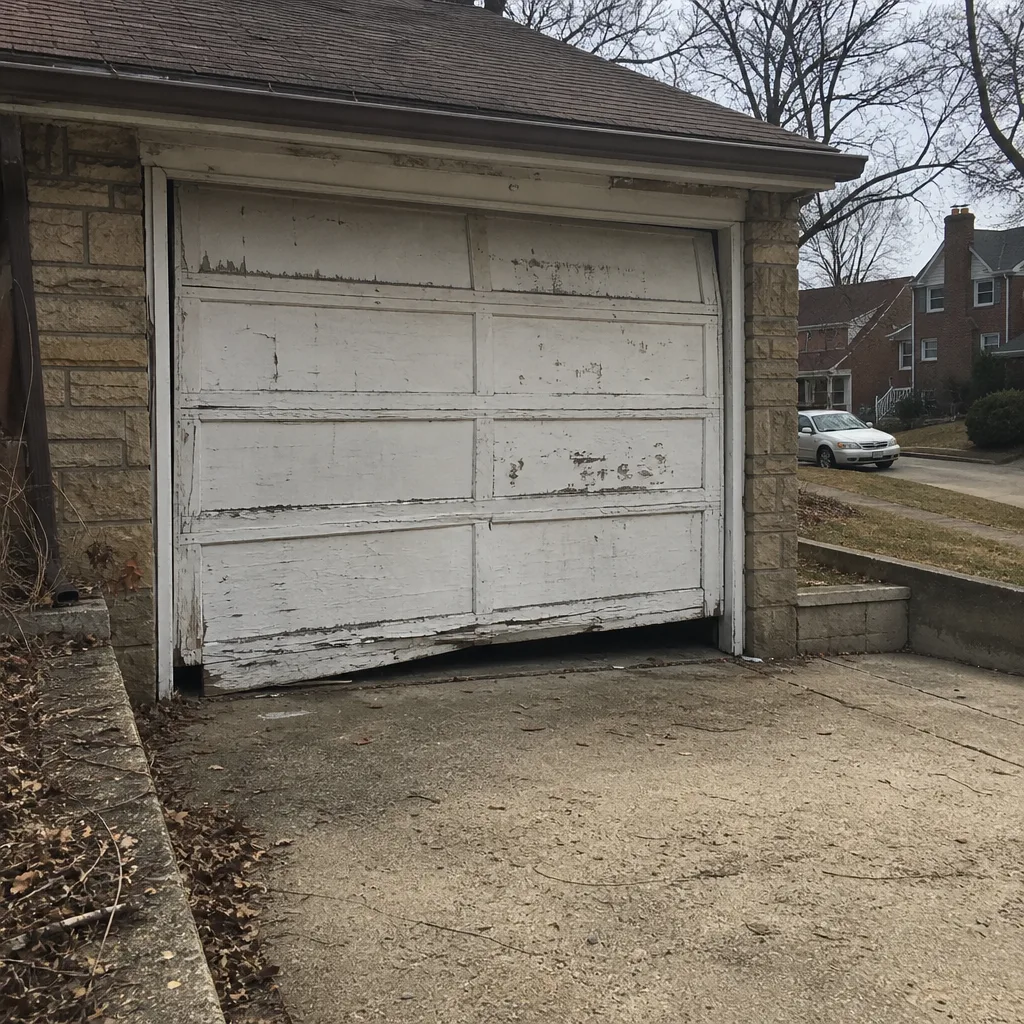 Before
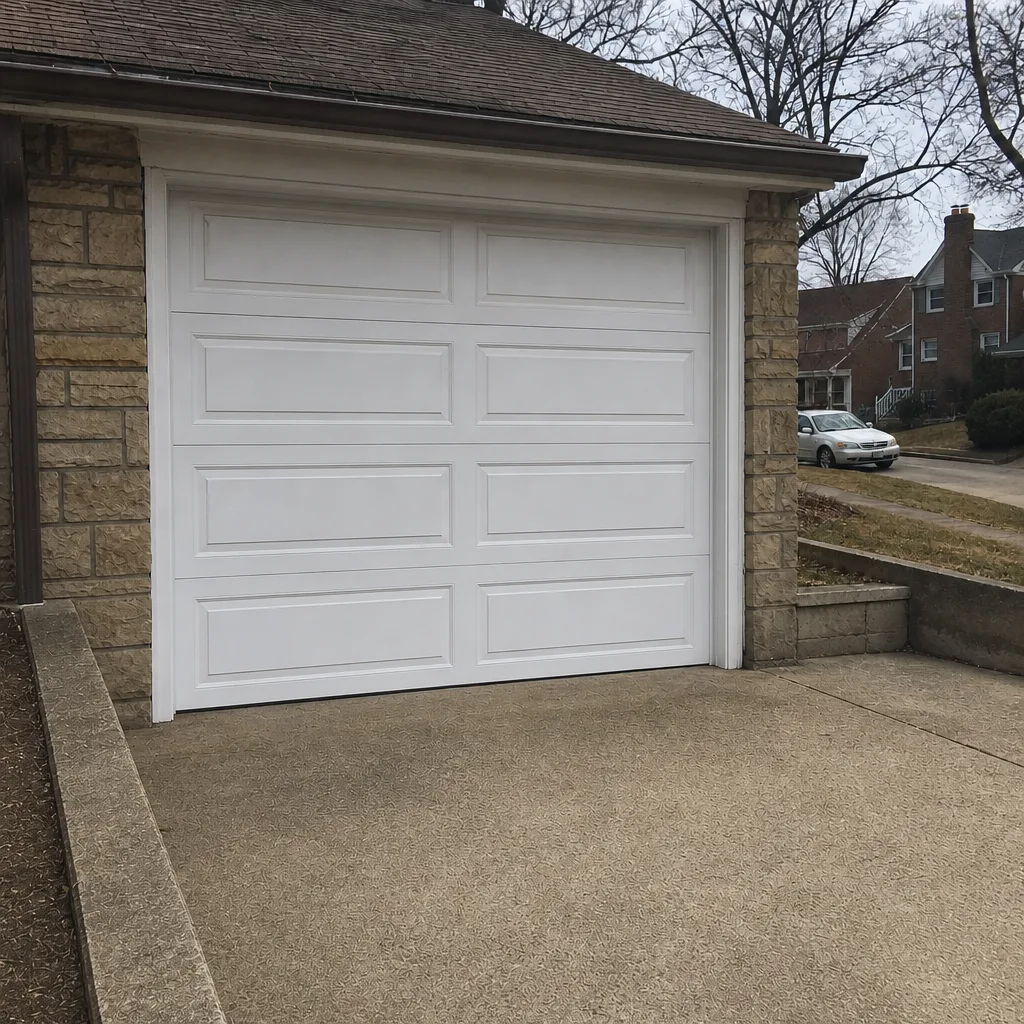 After
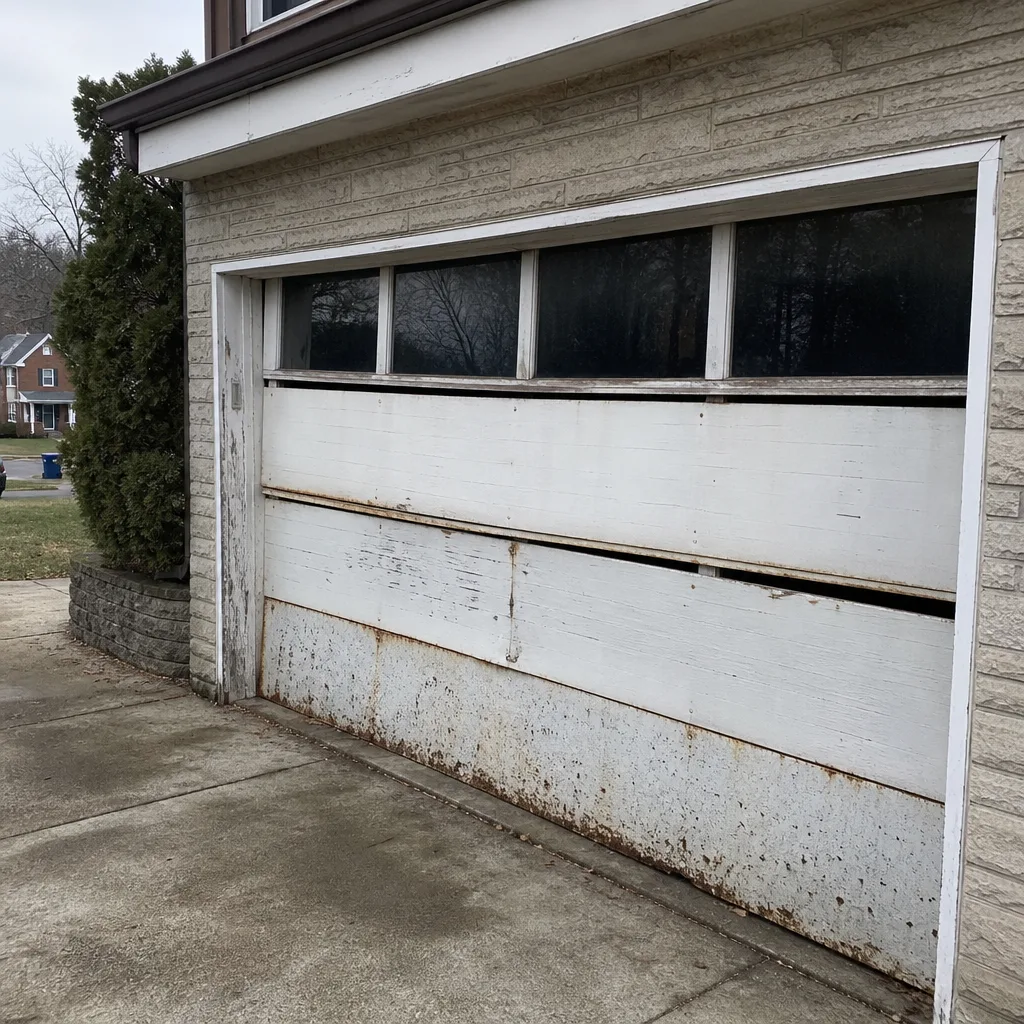 Before
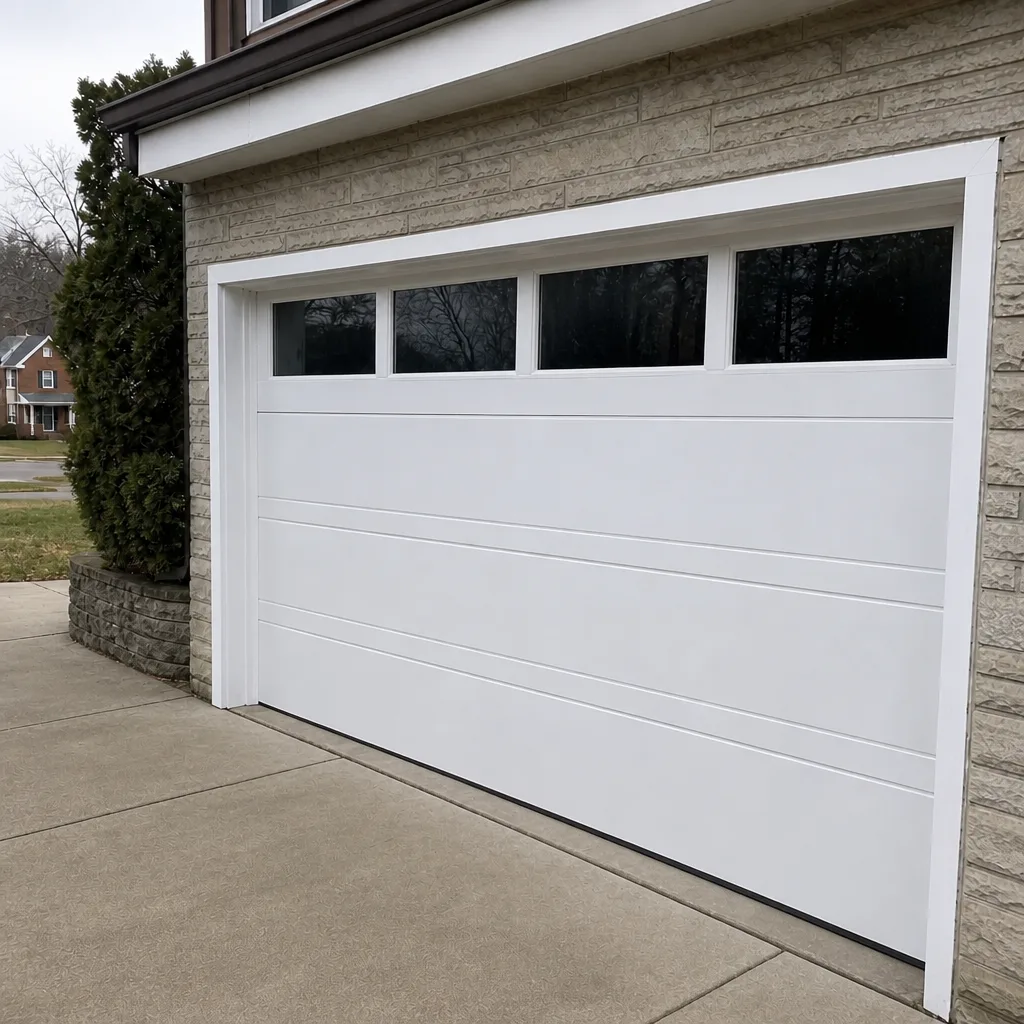 After
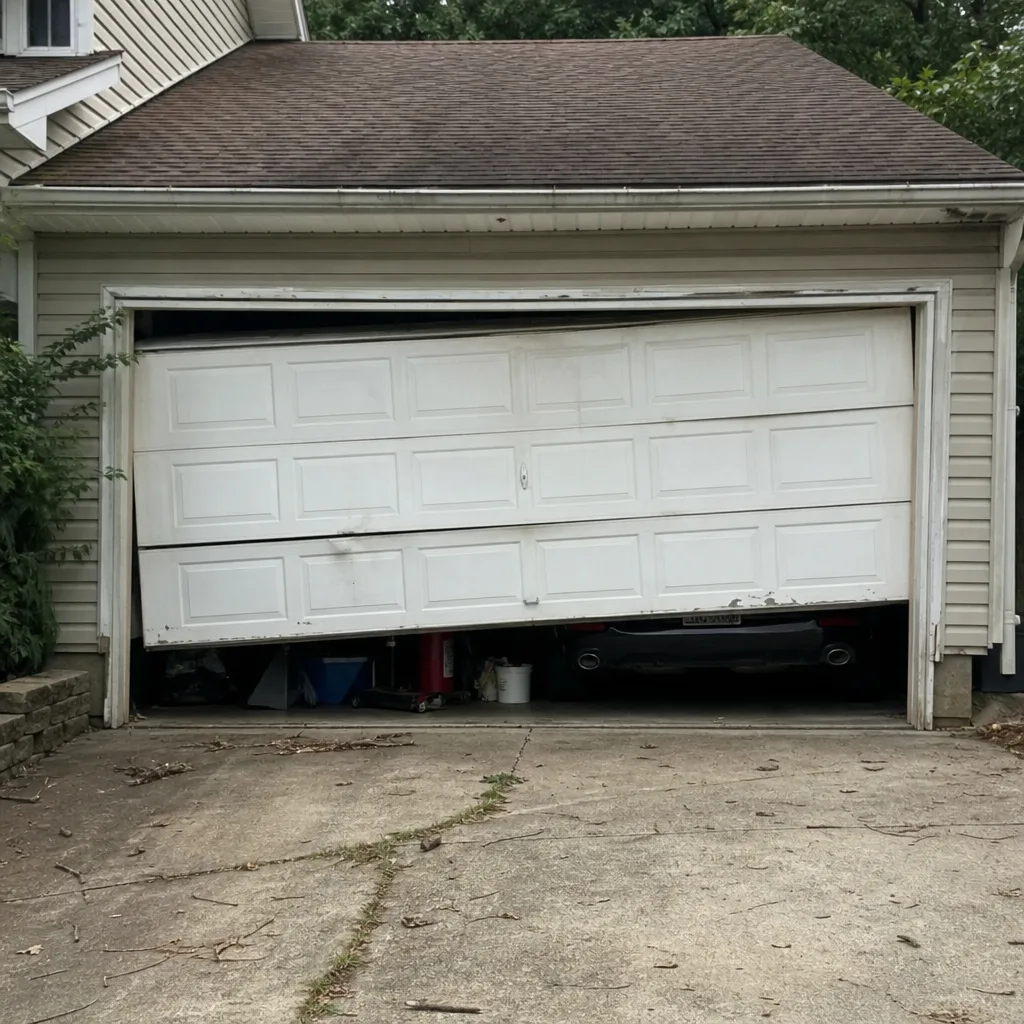 Before
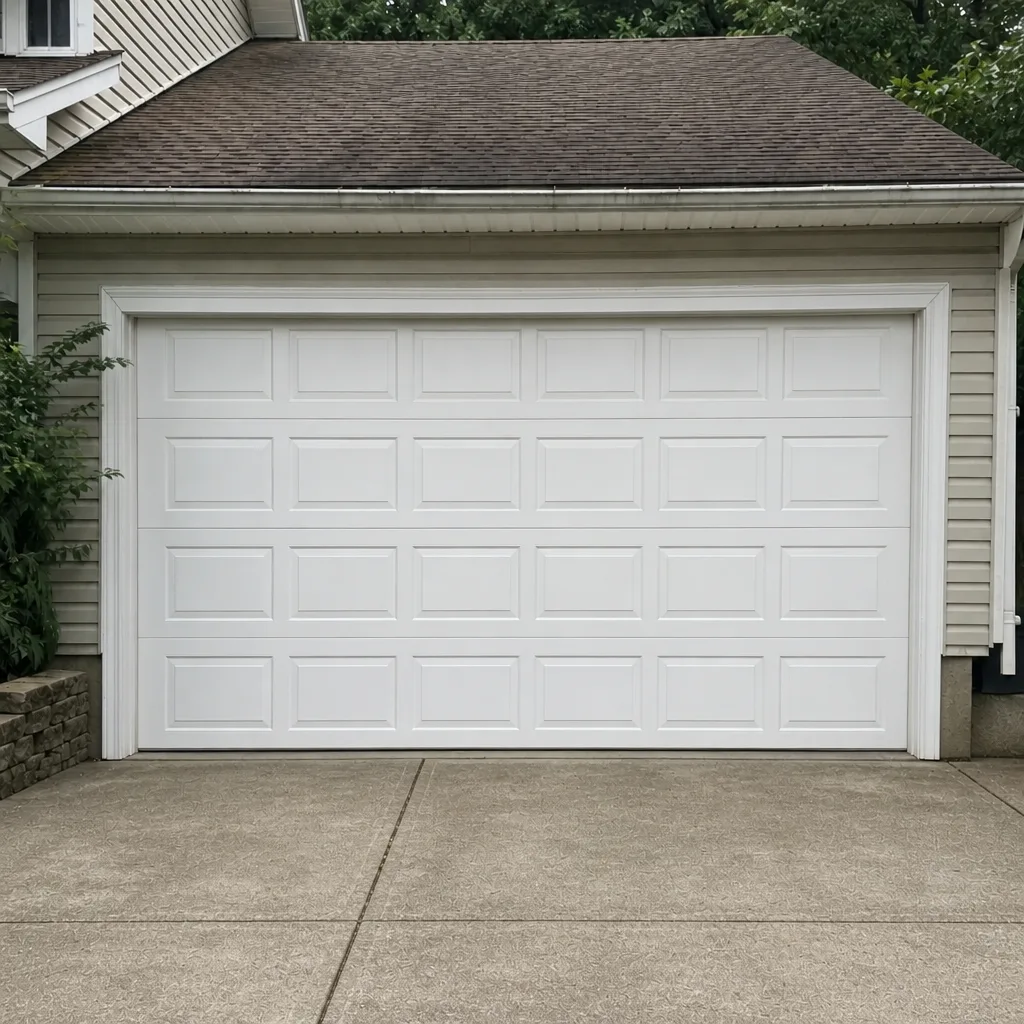 After
When to Call a Professional
Call a technician when the door won’t lift, when you hear the bang of a broken spring, when the door is crooked or off its track, when you see a slack or snapped cable, or when the opener hums without moving the door. Call when an intermittent fault won’t settle, when the blink code points to a logic board, or when the door reverses at random points in its travel. And call when the door is heavy to lift by hand, because that’s a spring problem and it’s the most dangerous failure on the list. If you’re unsure which category your problem falls into, describe the symptom and the failure point when you call. Garage Door Repair Mount Lebanon offers free estimates in Mount Lebanon. Call (877) 640-9337. We answer 24/7. Fast dispatch from 7am to 7pm, Sunday through Friday.
Frequently Asked Questions
The door reverses because it’s meeting resistance it reads as an obstruction. The most common causes are a travel limit set too high, safety sensors that are misaligned or dirty, or a bottom seal that’s swollen, stiff, or hitting ice at the threshold. Check the sensors first, then the seal, then the travel limits. If it’s the limits or the opener itself, call (877) 640-9337 for an exact quote. Estimates are free.
Disconnect the opener with the emergency release and try to lift the door by hand. If it’s too heavy to lift or won’t stay open, the springs are the problem. If it lifts easily by hand but the opener won’t move it, the opener is the problem. Never adjust or replace a torsion spring yourself; that work requires winding bars and training, and the springs are under extreme tension.
The blink codes tell you which system the opener thinks is failing. On LiftMaster and Chamberlain units, the most common patterns point to a safety sensor obstruction, a travel limit problem, or a logic board fault. Count the flashes, note the pattern, and check the model number inside the light cover. A technician can decode it in seconds, and knowing the code before you call saves a diagnostic step.
Yes, same-day repair is available for doors that won’t close. Call (877) 640-9337. We answer 24/7. Fast dispatch from 7am to 7pm, Sunday through Friday, and a call outside dispatch hours is booked into the next opening. If your door is stuck open, describe the symptom on the call so the technician arrives with the right parts.
No. The price is quoted and agreed before any work starts, and the written estimate sets the final price. If the diagnosis turns up something different from what you described, the technician explains the change and the new price before doing the work. Nothing gets added to the invoice after the fact.
Winter faults are usually freeze-thaw related. Water collects at the threshold, freezes overnight, and the bottom seal compresses against ice or hardens into a shape that no longer seals. The door meets the resistance and reverses. Misaligned sensors with condensation on the lenses cause similar intermittent faults. Clearing the threshold and checking the seal resolves most of these; a stiff seal replacement prevents them.
Yes. The local professionals we connect you with are licensed and insured as their state requires. Our technicians have up to 10 years of experience, and we work on the door and opener brands you already own, including LiftMaster, Chamberlain, Genie, and Clopay.
The Bottom Line
Match the symptom to the component before you call anyone. A door that reverses early is usually an opener travel-limit or sensor issue. A door that won’t lift is usually a spring. A grinding door is usually a roller or track. An intermittent fault is almost always electrical. Winter “won’t close” complaints in Mount Lebanon are usually a bottom seal and freeze-thaw, not a dead opener. Stay inside the safe DIY line, leave springs, cables, and logic boards to a technician, and describe the failure point in travel when you call. That’s the difference between a guess and a diagnosis.
If you’d rather not diagnose it yourself, we work on your brand, from legacy Craftsman units to modern LiftMaster and Chamberlain smart systems, and we repair before we recommend replacement. We handle opener repair, spring repair, full door installation, and emergency service under one call. Call (877) 640-9337. We answer 24/7. Fast dispatch from 7am to 7pm, Sunday through Friday. The estimate is free, and the price is quoted and agreed before any work starts.
Written by the team at Garage Door Repair Mount Lebanon.