
Last updated November 23, 2026
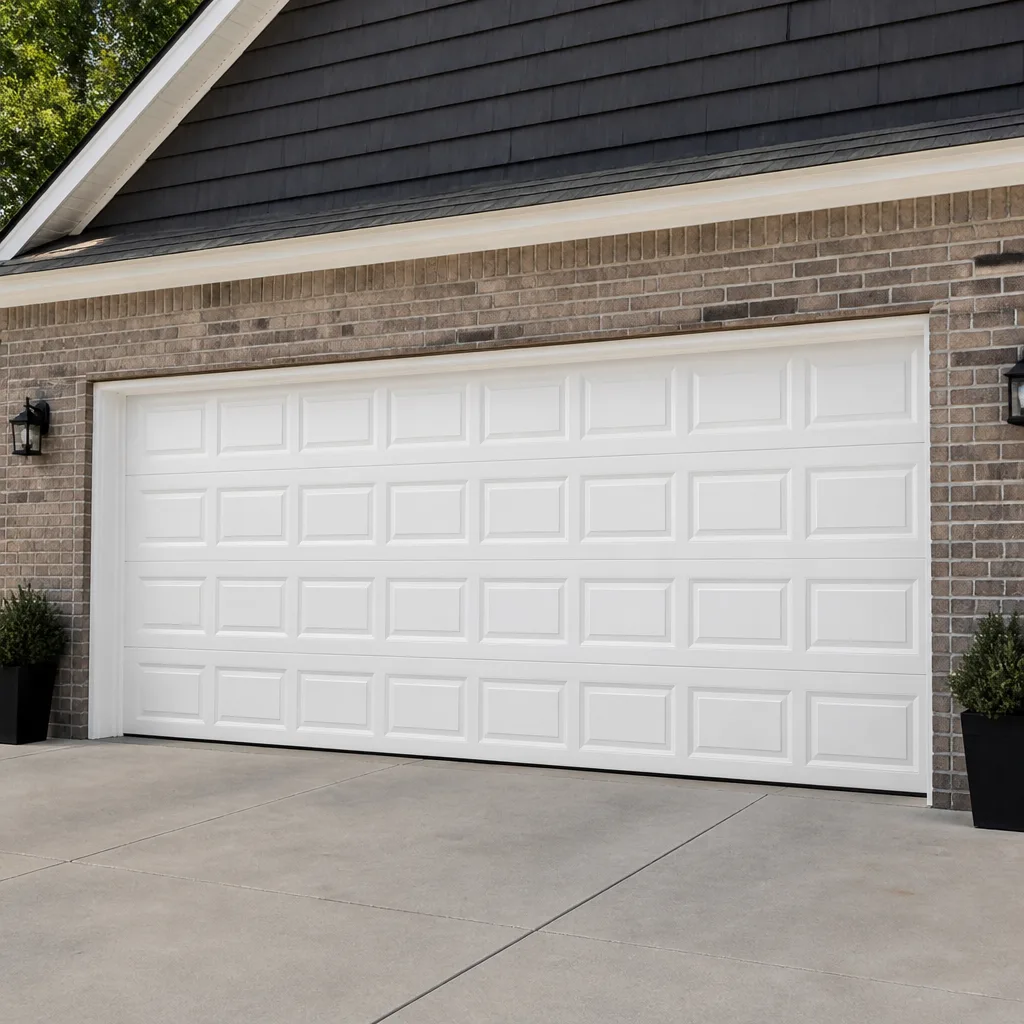 Raised-panel steel
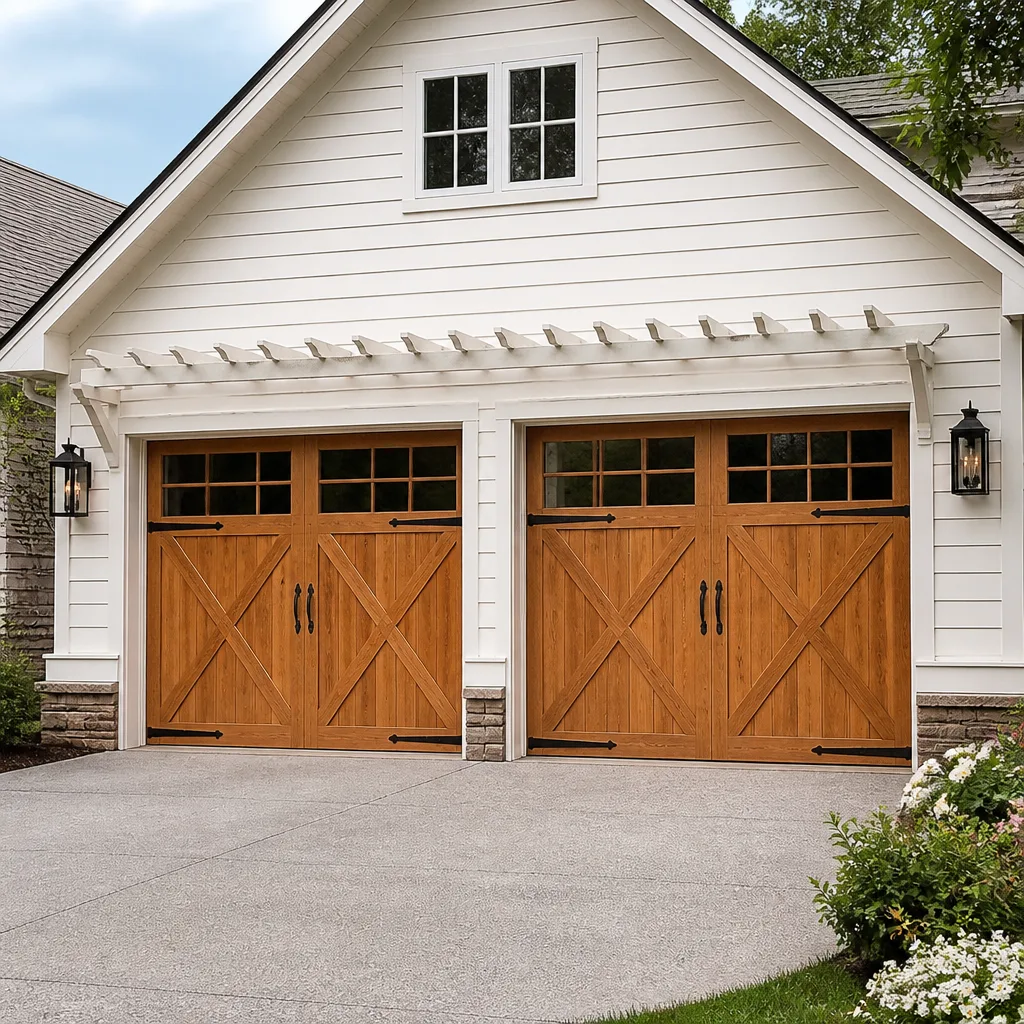 Carriage house
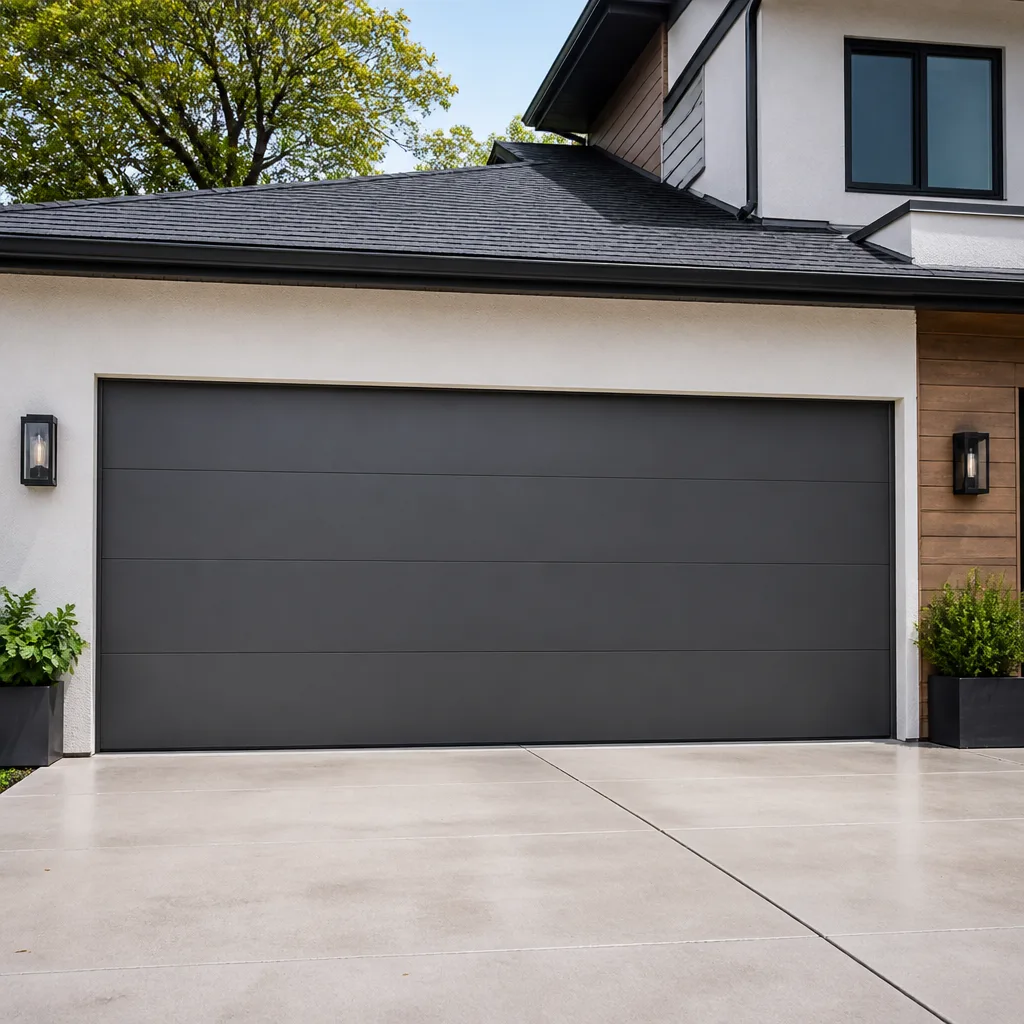 Modern flush
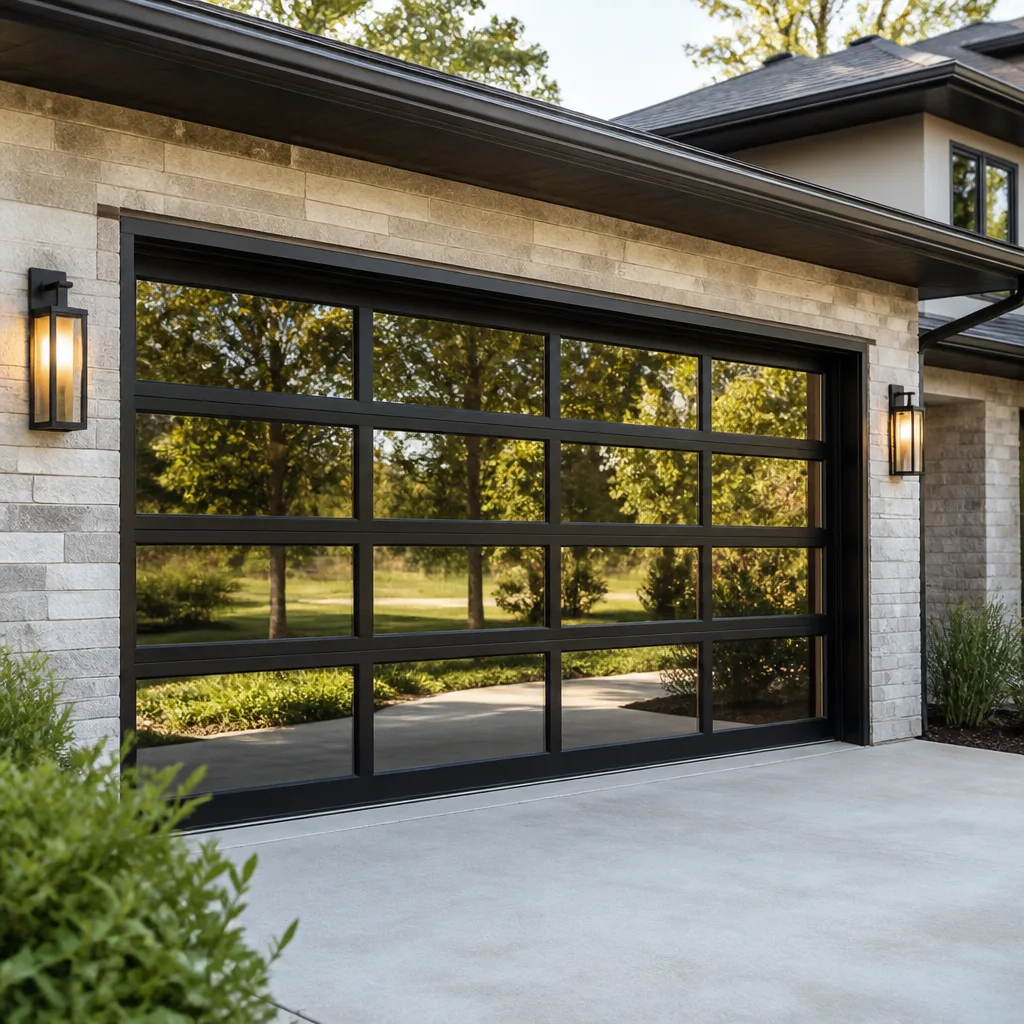 Full-view glass
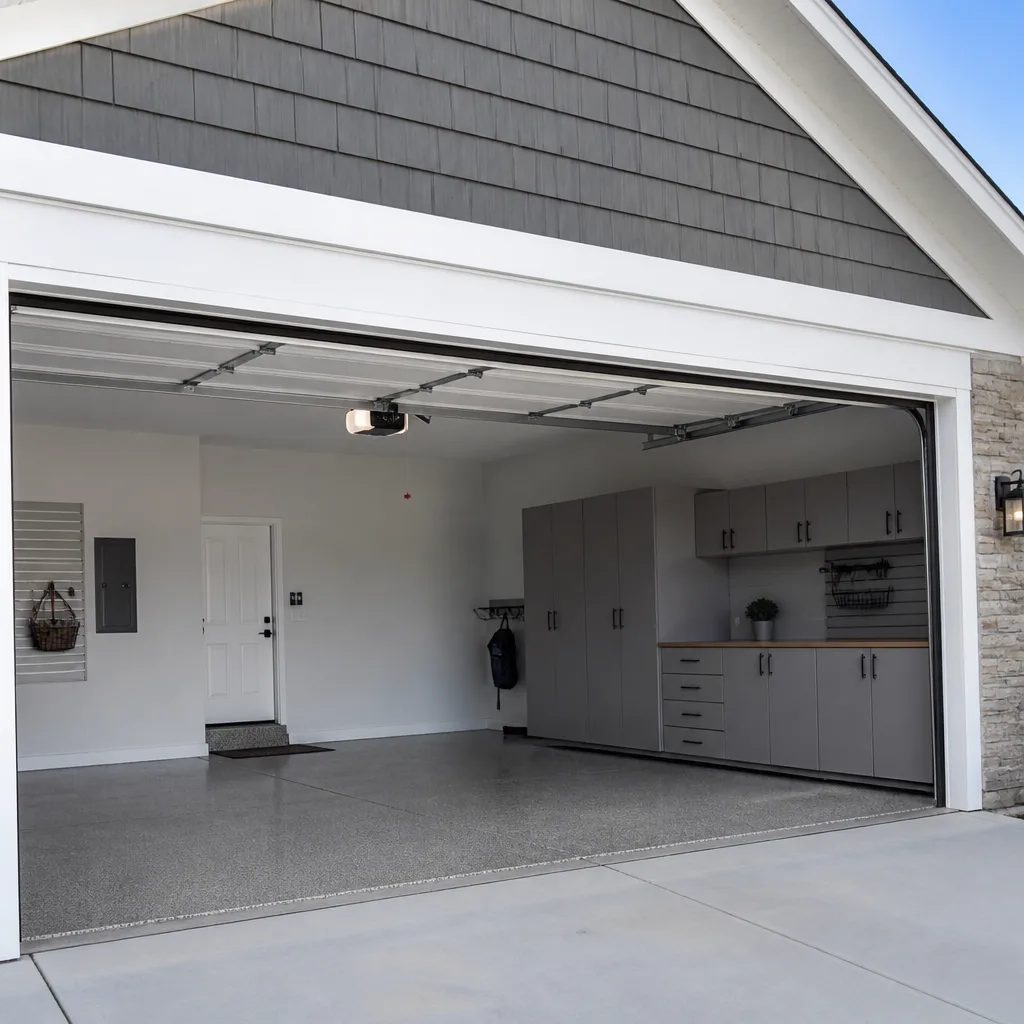 LiftMaster openers
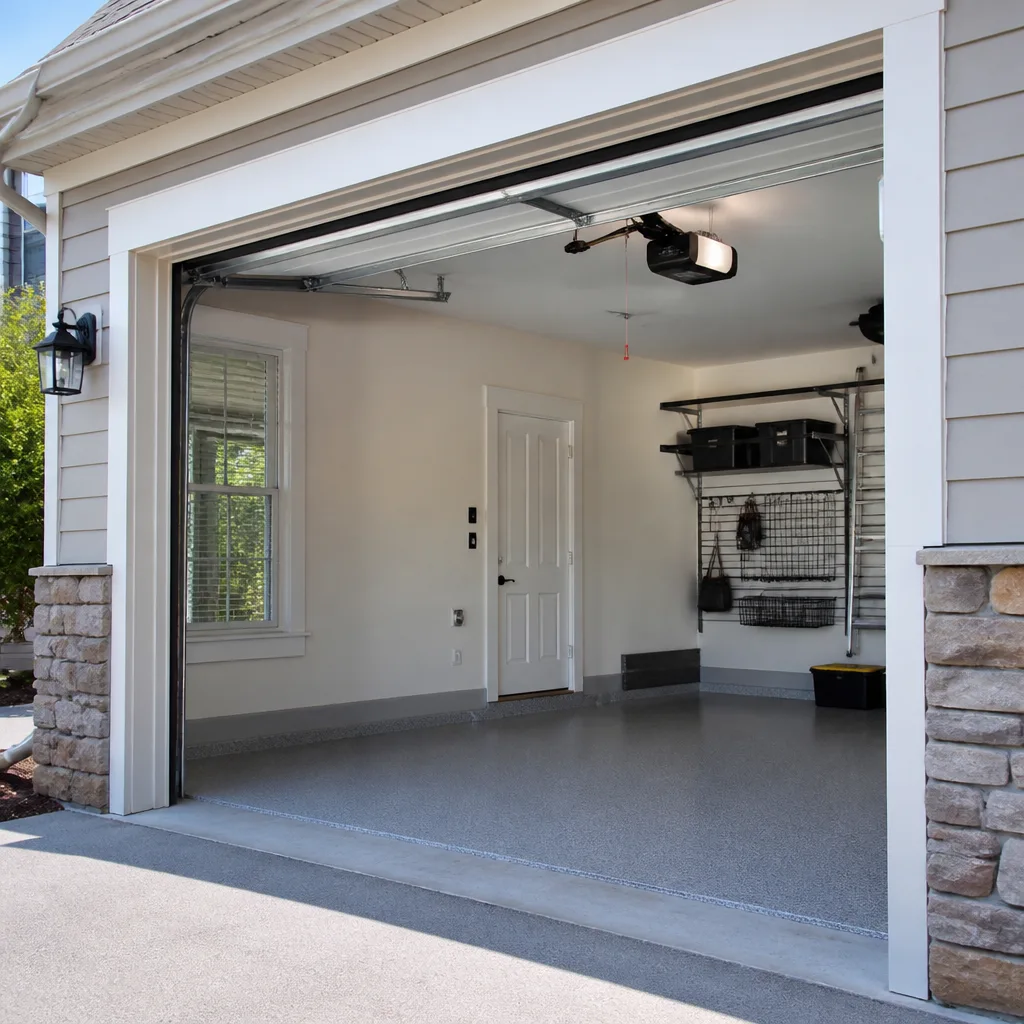 Chamberlain openers
Full 25-point door and opener safety check with every visit - springs, cables, rollers, tracks, and your LiftMaster or Chamberlain opener included
You get a price before we start. It does not change when the pro arrives.
Get your free estimateThe Complete Guide to Garage Doors in Mount Lebanon
Most garage door advice online assumes a generic suburb where every house went up in the same decade with the same eight-foot-wide opening and the same twelve-inch ceiling clearance. Mount Lebanon isn’t that place. Drive from a 1920s brick colonial near the T stop to a 1960s ranch off Bower Hill Road and you’re looking at two completely different structural situations behind the same white panel door. A torsion spring setup, an opener mount, even whether a wall-mount unit will fit at all, all depend on what your particular house was framed to handle. This guide walks through the housing stock, the components, the brand landscape, and the repair-versus-replace decision so you can talk to any contractor in Mount Lebanon with real footing.
Quick Answer
Garage door work in Mount Lebanon is shaped by three things: the age and framing of your house, the tree canopy and power reliability in your neighborhood, and which brand of door and opener was installed. A door that fits a mid-century ranch often won’t work on a pre-war colonial without header and clearance adjustments, and the right opener for a low-clearance garage is usually a wall-mount jackshaft rather than a traditional ceiling unit. Repair-first is almost always the smarter call unless the door panels, tracks, and hardware are all failing at once.
Styles & brands we work with
- Raised-panel steel
- Carriage house
- Modern flush
- Full-view glass
- LiftMaster openers
- Chamberlain openers
Table of Contents
- How Mount Lebanon’s Housing Stock Shapes Your Door and Opener
- The Components of a Garage Door, Explained in Plain Terms
- Why Springs Are the Number One Failure Point
- Openers: Legacy Units, Smart Systems, and Battery Backup
- The Brand Landscape in Mount Lebanon Garages
- Repair or Replace? How to Decide
- What Garage Door Installation Actually Involves
- Emergency Situations and What to Do First
How Mount Lebanon’s Housing Stock Shapes Your Door and Opener
Mount Lebanon has more than 7,000 owner-occupied homes spread across close to a century of construction styles, and each era left behind its own set of constraints for garage door work. The door that belongs on one house is often the wrong specification for the next street over. Here’s how the three dominant eras break down.
1920s to 1950s brick homes
Pre-war and early post-war brick colonials and Tudors often have detached or semi-attached garages with tighter ceiling heights, narrower openings, and framing that wasn’t designed around today’s heavier insulated doors. Header clearance is the first thing we check on these houses. If there’s not enough room above the opening for a standard torsion assembly and a ceiling-mounted opener rail, the answer is usually a low-clearance torsion setup or a wall-mount jackshaft opener. The brick itself is solid, but the garage framing behind it can be thinner than modern code expects, so the mounting points for springs and tracks need to be evaluated before anything is ordered.
1960s and 1970s ranches
Ranches from this era typically have attached garages with more generous ceiling height and a standard nine-foot-wide opening. These are the easiest houses to work on and the ones most likely to already have a ceiling-mounted chain or belt-drive opener installed in a straightforward way. The catch is that many of these original doors are single-panel wood or early steel units that have been painted over repeatedly, and the hardware has often outlived its useful life even when the door face still looks fine.
2000s infill and newer construction
Newer infill homes and rebuilds tend to have two-car garages with modern insulated doors and smart openers already installed. The work here is usually about matching a replacement door to the existing opening, or upgrading an opener to something with battery backup and app control. Framing and clearance are rarely the issue; part availability and matching the door style to the rest of the facade usually are.
The Components of a Garage Door, Explained in Plain Terms
When you call for service, knowing what the parts are called and what they do makes the conversation faster and helps you spot a contractor who’s guessing. Here’s the component-level breakdown we walk through with every homeowner.
Torsion springs
A torsion spring is the coiled steel bar mounted on a shaft above the door opening. It stores the energy that counterbalances the door’s weight, so your opener and your arms aren’t lifting the full load. Most modern doors use one or two torsion springs. When one breaks, the door becomes dangerously heavy and shouldn’t be operated.
Extension springs
Older doors often use extension springs, which run along the horizontal tracks on either side and stretch rather than twist. They’re still common on pre-1980s homes in Mount Lebanon. Extension springs should always have a safety cable running through them, because a failed extension spring can fly across the garage.
Bottom bracket and cables
The bottom bracket anchors the lift cables at the lowest corner of the door. The cables run up to the drums at the top of the torsion shaft. This assembly is under serious tension whenever the door is down, and it’s the part that most often causes injury when a homeowner tries a DIY repair.
Trolley carriage and opener rail
The trolley carriage is the piece that rides along the opener rail and connects the opener to the door via the emergency release cord. If the door opens a few inches and stops, or the opener runs but the door doesn’t move, the carriage or the release cord is usually where the problem lives.
Tracks, rollers, and hinges
The vertical and horizontal tracks guide the door, the rollers ride inside them, and the hinges connect the panel sections. A door that shudders, squeals, or comes off track usually has a bent track, a worn roller, or a loose hinge rather than a spring problem.
Why Springs Are the Number One Failure Point
Broken springs are the single most common reason a garage door stops working, and they’re also the most dangerous component in the entire system. A torsion spring is wound to store enough energy to lift a door weighing hundreds of pounds. When it snaps, that energy releases in an instant. Never try to wind, unwind, or replace a spring yourself. This is the one repair where a trained technician with the right winding bars isn’t a luxury, it’s a safety requirement.
How do you know a spring has failed? The door will feel extremely heavy when you try to lift it manually, the opener may strain or stall, and you’ll often hear a loud bang from the garage. On a torsion setup, you can usually see a visible gap in the coil. On an extension spring, the spring will be stretched out and hanging.
Springs wear out from cycle count, not calendar age. Every open-and-close is one cycle. A household that uses the garage as the primary entry point puts far more cycles on the springs than one that parks inside and uses the front door. That’s why two houses on the same street with the same door can have springs fail years apart. If your springs are original to a 1990s or early 2000s installation and the door gets daily use, it’s worth having them inspected before they fail. For garage door spring repair, the job is a matched-pair replacement in most cases, and doing both at once is standard practice because the second spring is nearly always at the same wear point as the first.
If you hear that bang or the door won’t lift, stop operating it and call for service. A door with a broken spring can come down hard and fast.
Openers: Legacy Units, Smart Systems, and Battery Backup
The opener is the part of the system most Mount Lebanon homeowners end up replacing first, often because the original unit is a 1990s chain drive that’s loud, slow, and no longer has parts available. But the right replacement depends on your garage, not on what’s on sale.
When a wall-mount opener is the right call
On homes with low ceiling clearance, a wall-mount jackshaft opener like the LiftMaster 8500W mounts beside the torsion shaft instead of hanging from the ceiling. It frees up overhead space and solves the clearance problem on older Mount Lebanon garages where a traditional rail simply won’t fit. On a ranch with a full-height ceiling, a belt-drive ceiling unit is quieter and simpler.
Why battery backup matters here
Mount Lebanon’s tree canopy is one of the things that makes the neighborhood what it is, and it’s also the reason power outages happen more often than in open suburban subdivisions. A battery backup opener lets you open and close the door during an outage instead of being stuck outside or manually releasing a heavy door. For a household that uses the garage as the main entry, that’s a practical necessity rather than a feature upgrade. Modern LiftMaster and Chamberlain units with myQ include battery backup and app control, which also lets you check whether the door is open from your phone.
When to repair rather than replace
An opener that’s grinding, reversing for no reason, or failing to respond to the remote often just needs a gear, a logic board, or a safety sensor adjustment. We repair legacy Craftsman and Genie units as readily as we service new smart openers. For garage door opener repair, the diagnosis comes before any recommendation, and there’s no replacement pitch if the unit has life left in it.
The Brand Landscape in Mount Lebanon Garages
Knowing which brands are actually installed in the area makes a real difference in how fast a repair gets done and whether the right parts are on hand. Here’s what we see most often in Mount Lebanon garages.
- Craftsman openers from the 1990s and 2000s are still very common on ranches and older colonials. They’re reliable but often need a gear or logic board replacement at this point.
- LiftMaster units, especially the 8500W wall-mount, are the go-to for low-clearance garages and newer installations. Their myQ connectivity is standard on current models.
- Clopay steel doors are widespread on homes built or renovated in the last couple of decades. Panel and hardware matching is straightforward.
- Amarr and Wayne Dalton doors show up on a mix of mid-century and newer builds, and part sourcing for both is well-established.
We service eight of the most widely installed brands in North America, which covers virtually every door and opener you’re likely to find on a Mount Lebanon house. That includes Genie openers, Chamberlain units, and Raynor doors alongside the ones above. The garage door repair side of our work is built around the fact that you already own a specific brand, and the goal is to fix it, not to talk you into a different one.
Repair or Replace? How to Decide
Most garage door problems are repair problems, and a well-maintained door can last decades. Full replacement is genuinely warranted in a narrower set of situations than most homeowners are led to believe. Here’s how we frame the decision.
Repair is usually the right call when:
- The door panels are structurally sound and the tracks aren’t bent
- The problem is a spring, opener, roller, hinge, or cable
- The door is under fifteen years old and the failure is a single component
- The door operates smoothly after a repair and the safety reverse works
Replacement makes more sense when:
- Multiple panels are dented, rusted through, or separating at the hinges, so repairs would cost more than a new door.
- The tracks are bent beyond straightening and the door has come off track more than once.
- The door is a single-panel wood unit from the 1960s or 70s with rot or warping that can’t be reversed.
- You’re upgrading to an insulated door on an attached garage where the door is the biggest heat loss point.
- The opener is a legacy unit with no replacement parts available and the door hardware is also at end of life.
In the first four cases, repairing the existing door can extend its life another 10 to 15 years. That’s the outcome we aim for whenever the door allows it. If replacement is the honest answer, we’ll tell you why in specific terms, not with a vague recommendation.
What Garage Door Installation Actually Involves
Installing a new door in Mount Lebanon starts with a measure, not a sales visit. The measurements that matter are the opening width and height, the headroom above the opening, the backroom behind the door when it’s up, and the side clearance on each side. On pre-war homes, those numbers are often nonstandard, which is why the measure has to happen before anything is ordered.
- Measure the opening and clearances. We check headroom, backroom, and side room to determine whether a standard torsion setup will fit or whether a low-clearance configuration is needed.
- Confirm the door specification. That means the panel style, insulation, material, and the track configuration that matches your garage.
- Remove the old door and hardware. Springs come off first and are handled carefully, then the tracks, panels, and opener.
- Install the new tracks, door, and springs. Springs are wound to the door’s specific weight, so the balance is correct from the start.
- Install or reconnect the opener. Safety sensors, force settings, and travel limits are set and tested.
- Test the full cycle. The door should open, close, and reverse on contact as it should, with no binding or hesitation.
Installation work is measured, ordered, and scheduled rather than done same-day, and you’ll get a free measure and a written price before any of it begins. That price is set per job and doesn’t change once we’ve seen the garage. Whether you’re replacing a door or exploring full Garage Door Repair Mount Lebanon options, the process starts the same way: with an accurate look at what your specific garage was built to hold.
Emergency Situations and What to Do First
Some garage door problems can’t wait for a scheduled visit. A door that’s come off track, a spring that’s snapped and left the door stuck down, or a break-in where someone has forced the door are all situations that need same-day help, not a callback later in the week.
Emergency garage door service is a core part of what we do, not a special add-on. If a door fails during the night, a Saturday, or while you’re away, call and we’ll book the work into the next opening. We answer 24/7. Fast dispatch from 7am to 7pm, Sunday through Friday, closed Saturday.
What to do before we arrive:
- Don’t force the door open or closed if a spring is broken or the door is off track
- Don’t pull the red emergency release cord unless you’re sure you can lift the door safely by hand
- Clear the area under and around the door
- If the door is stuck partly open, secure the area so no one walks under it
A door that’s come off its track can fall without warning. Treat every unusual noise or hesitation as a reason to stop and call.
Common Mistakes to Avoid
- Winding or unwinding a torsion spring yourself. This is the single most dangerous garage door task. Call a technician before you touch the winding bars.
- Operating a door with a broken spring. The opener will strain, the door will drop suddenly, and one repair becomes several. Stop and call instead.
- Buying an opener without checking headroom. On a low-clearance Mount Lebanon garage, a standard ceiling unit may not fit at all. A wall-mount solves it.
- Skipping battery backup on a home with frequent outages. If your garage is the main entry, a battery backup opener is worth having when the tree canopy brings the power down.
- Replacing a door when a repair would do. Multiple panels and bent tracks are the real signal for replacement. One bad spring or a sticky roller is a repair.
- Hiring a generalist for a brand-specific problem. A Craftsman from 1995 and a modern LiftMaster with myQ need different diagnostics. Brand fluency matters.
- Ignoring safety reverse. If the door doesn’t reverse on contact, the sensors or force settings need adjustment before anyone uses it again.
See the difference
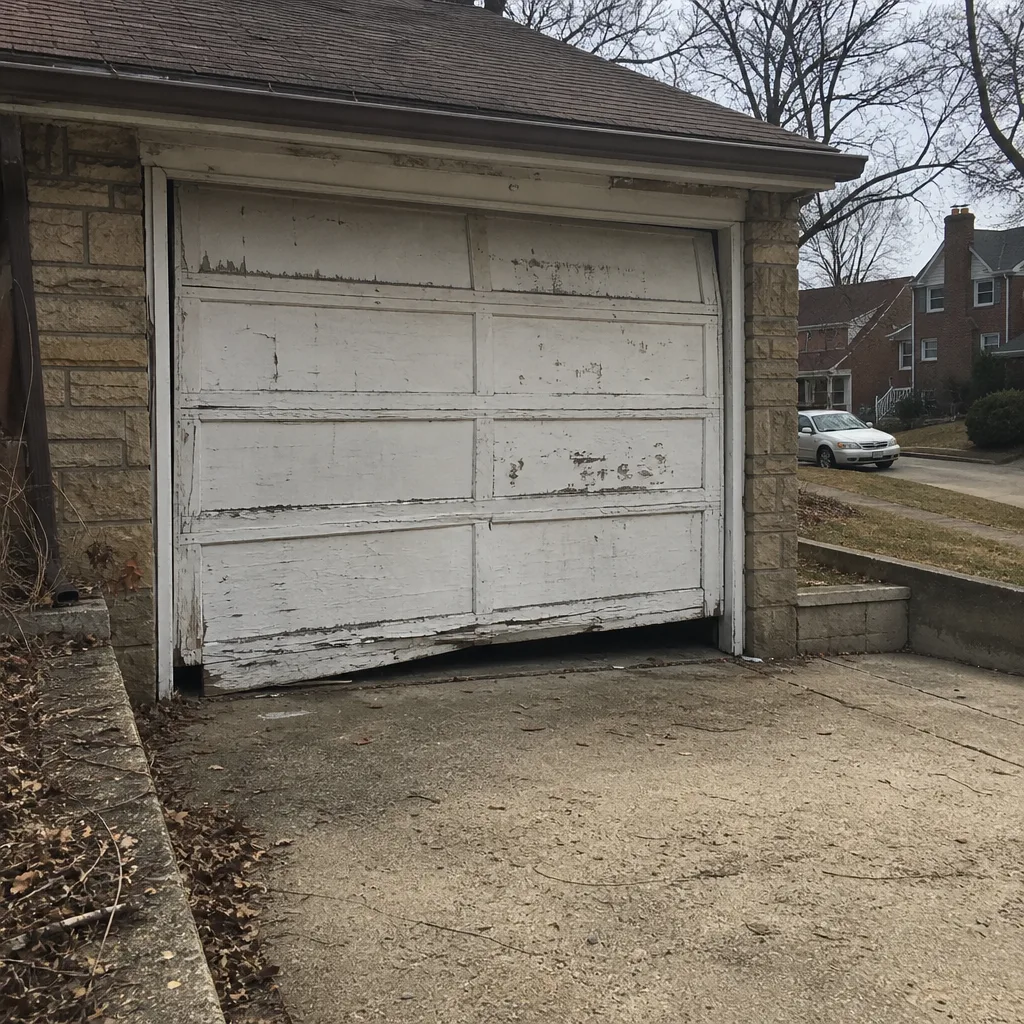 Before
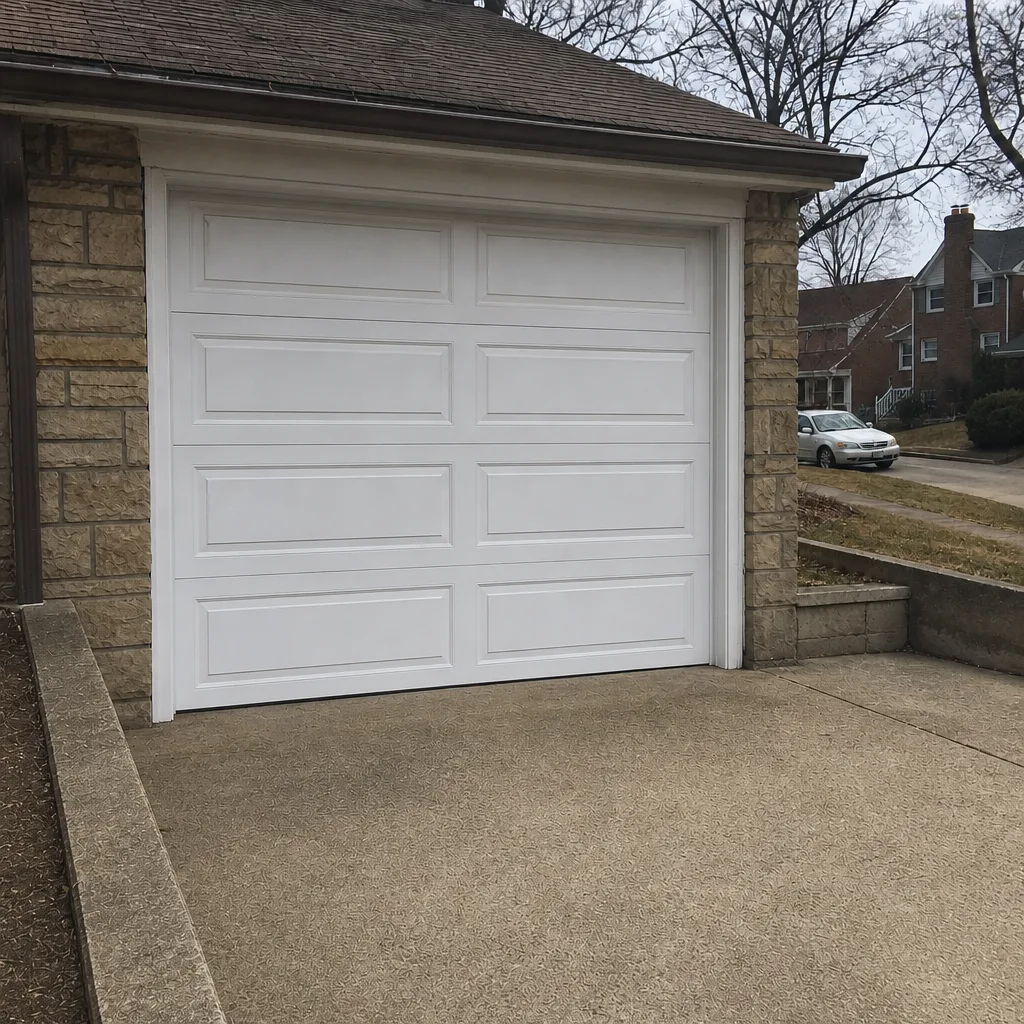 After
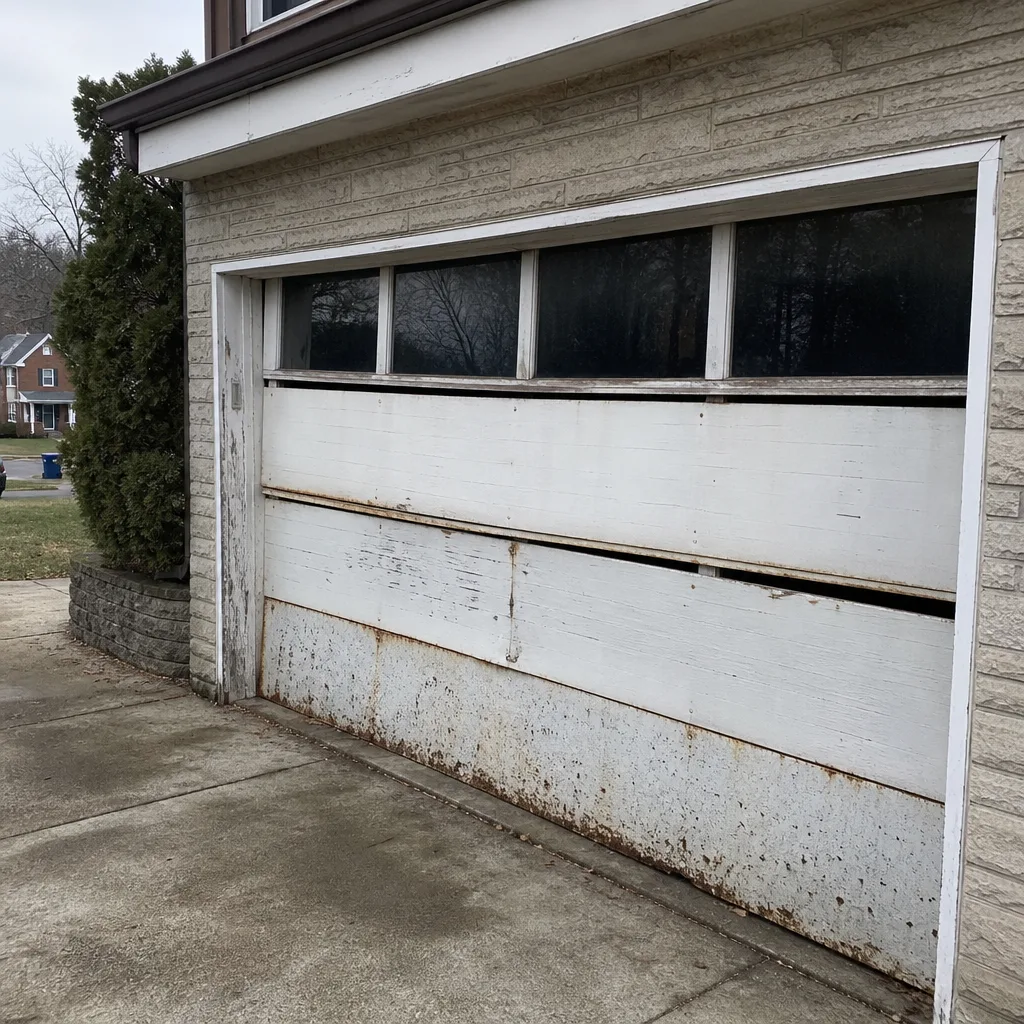 Before
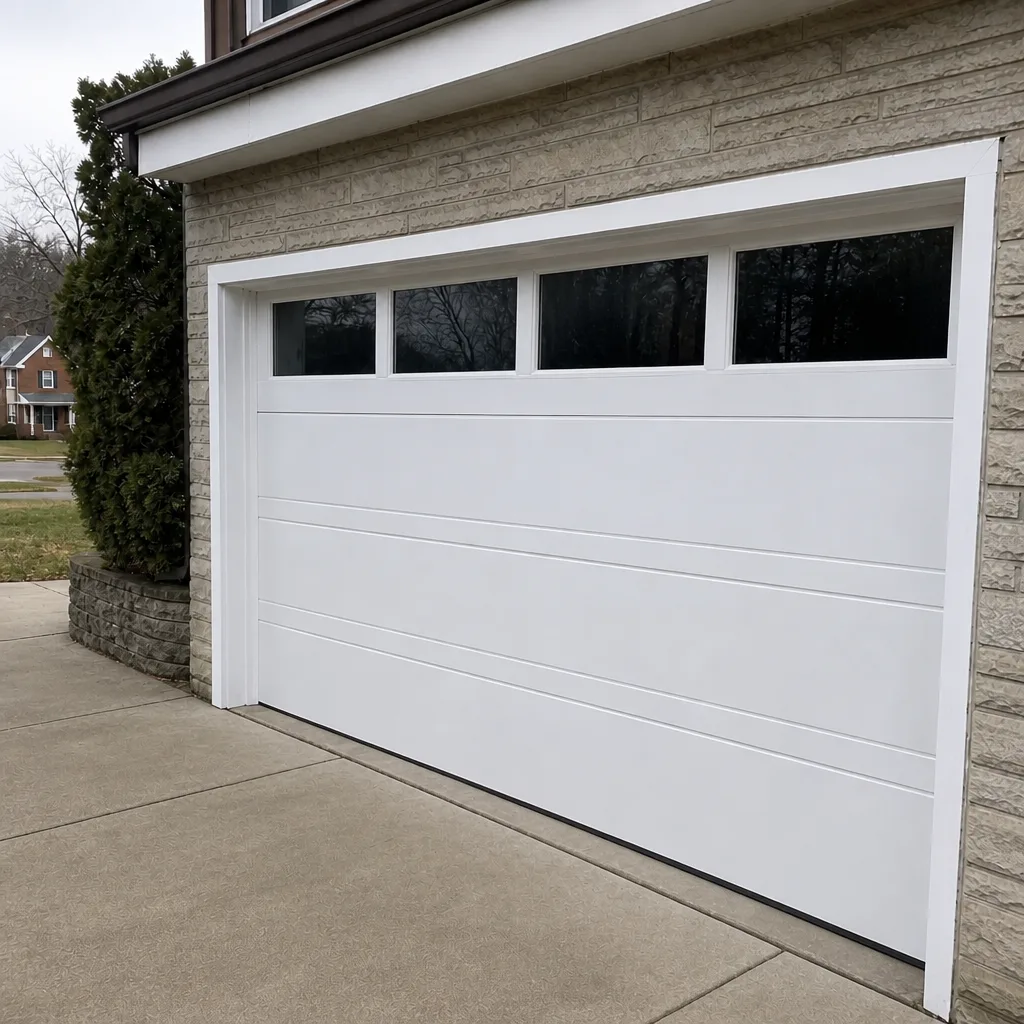 After
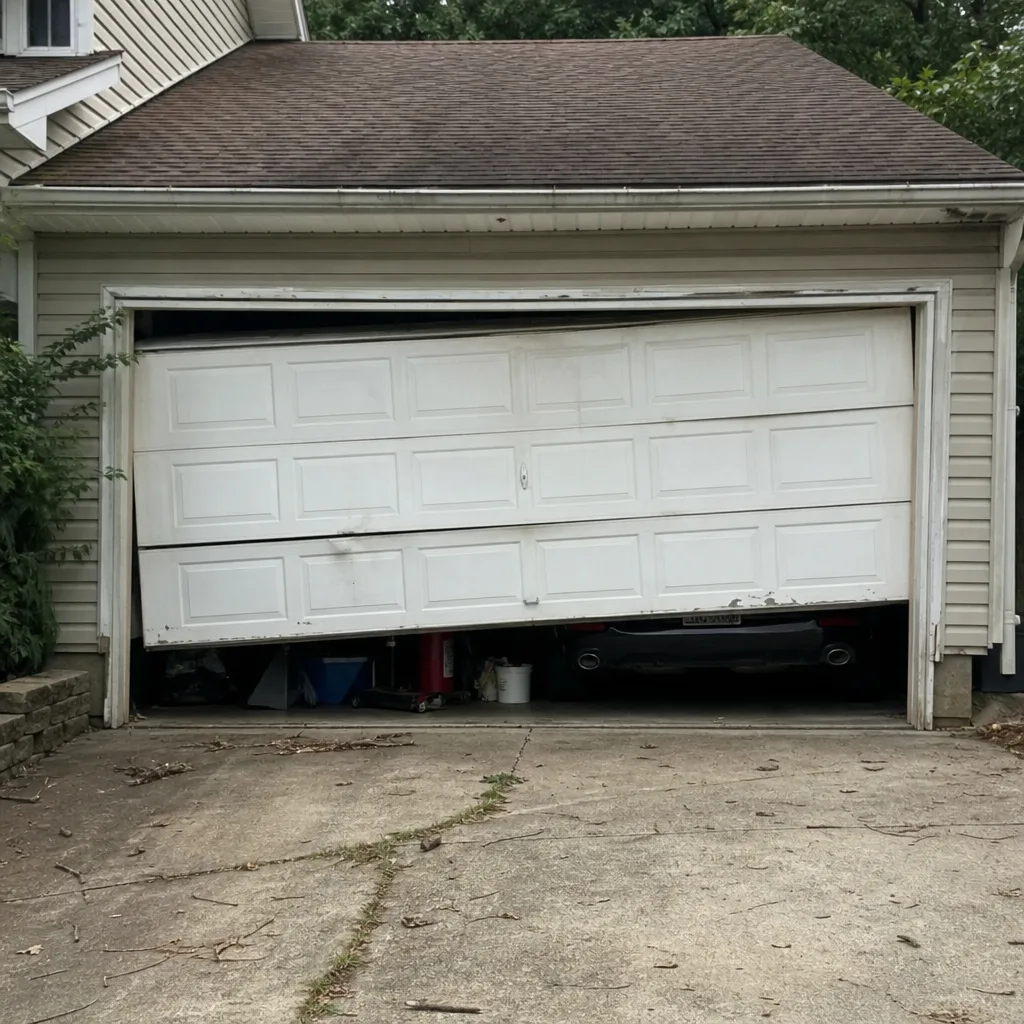 Before
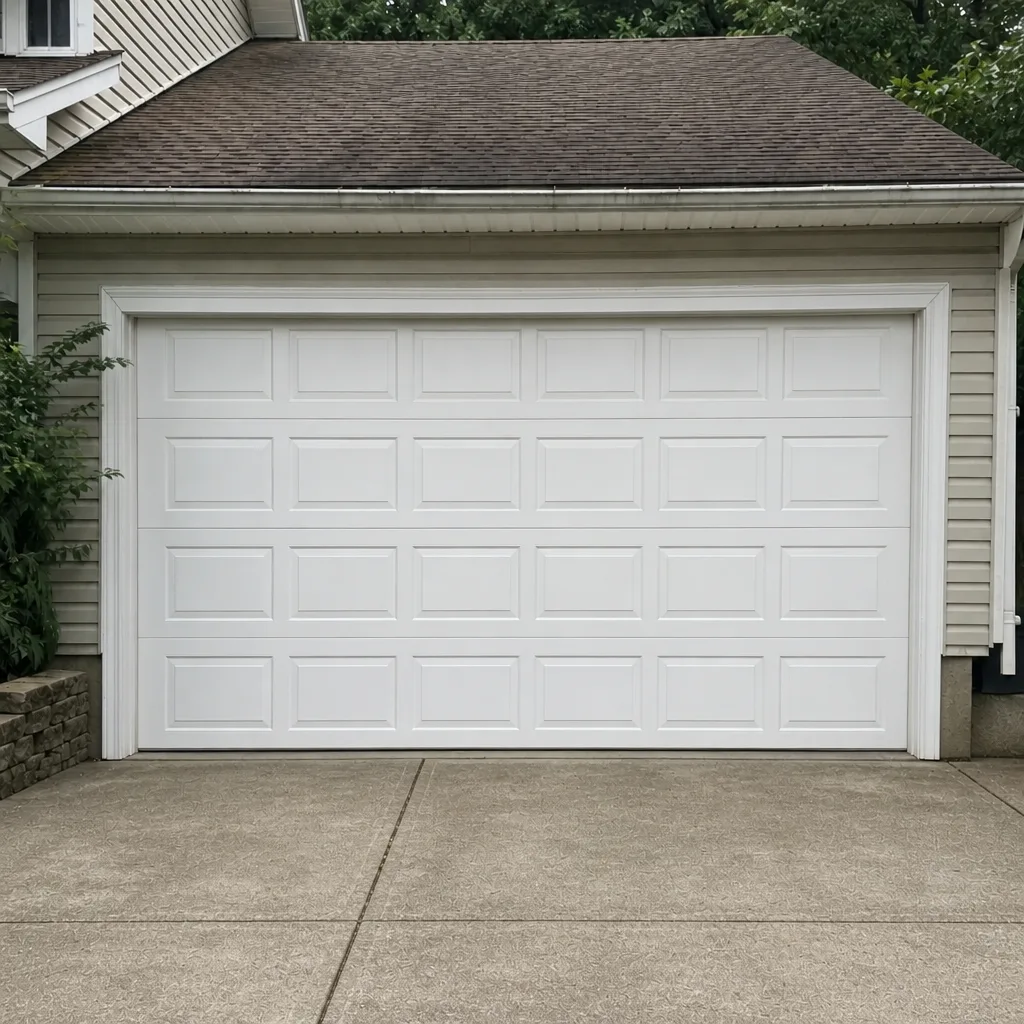 After
When to Call a Professional
Call a professional for any spring failure, any door that’s come off track, any opener that won’t respond, and any situation where the door won’t move. Springs and cables are under enough tension to cause serious injury, and there’s no safe DIY shortcut. If your garage door is the main entry and it’s stuck, you’re losing access to your house, so speed matters. Garage Door Repair Mount Lebanon offers free estimates in Mount Lebanon – call (877) 640-9337. We answer 24/7. Fast dispatch from 7am to 7pm, Sunday through Friday, closed Saturday. Our technicians have up to 10 years of experience, and the written estimate sets the price before any work starts.
Frequently Asked Questions
Most garage door repairs in Mount Lebanon fall into a small number of common jobs, and the cost depends on which one you’re facing. Spring replacement, opener repair, and track or roller work are the usual suspects, and each is priced per job by a written estimate given before any work begins. Call (877) 640-9337 for an exact quote. Estimates are free.
Yes, for urgent failures like a broken spring or a door off track, same-day service is usually available. Call (877) 640-9337 and we’ll book the earliest opening. We answer 24/7. Fast dispatch from 7am to 7pm, Sunday through Friday, closed Saturday.
No. The written estimate you receive before any work starts is the price you pay. The estimate is prepared after we’ve assessed the door, opener, and hardware, so there are no surprises once the repair is underway.
Yes, for most households here. The tree canopy that defines the area also leads to more frequent power outages, and a battery backup opener keeps the door working when the grid doesn’t. It’s practical equipment, not an upsell.
In most cases, yes. Legacy Craftsman and Genie units are repairable when the problem is a gear, logic board, safety sensor, or remote. We diagnose first and recommend replacement only when parts aren’t available or the unit is genuinely at end of life.
Yes. Low-ceiling garages are common in pre-war and 1950s Mount Lebanon homes, and they’re usually handled with a low-clearance torsion setup or a wall-mount jackshaft opener. We assess headroom and clearance before recommending any equipment.
The Bottom Line
Garage door decisions in Mount Lebanon start with the house, not the door catalog. A 1920s colonial, a 1960s ranch, and a 2000s infill build each have their own headroom, framing, and clearance constraints that point to different spring setups, openers, and door specifications. Springs remain the number one failure point and the one repair you should never attempt yourself. Repair usually beats replacement unless panels and tracks are failing together. And in a neighborhood where the tree canopy brings the power down more often than most, battery backup on the opener is worth having. Call (877) 640-9337 for a free estimate and get the answer specific to your garage instead of the generic one.
- Springs should be handled by a trained technician, always
- Low-clearance garages usually need a wall-mount opener
- Repair-first, replacement only when the door is genuinely at end of life
- Written estimate before any work, every time
- Brand fluency on Clopay, Amarr, Wayne Dalton, Craftsman, LiftMaster, Chamberlain, Genie, and Raynor
Written by the team at Garage Door Repair Mount Lebanon.