
Last updated November 23, 2026
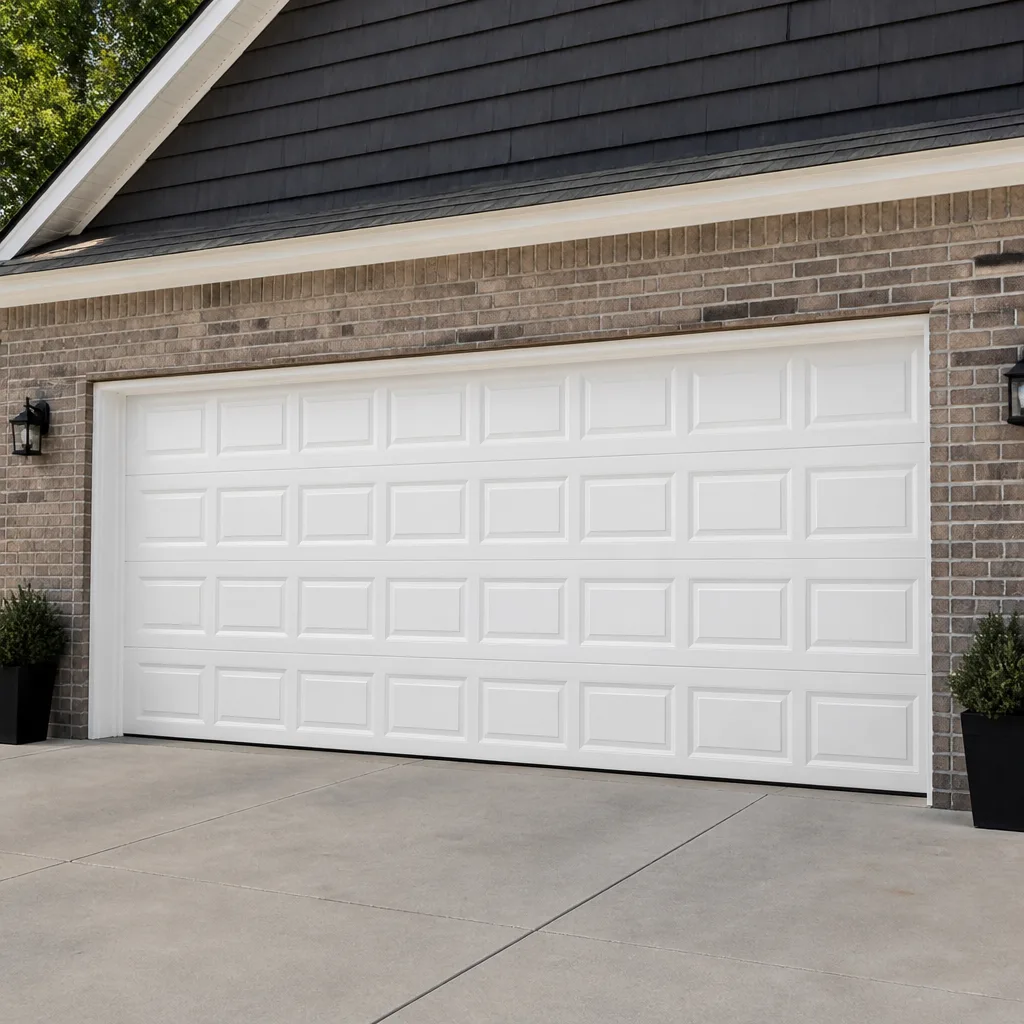 Raised-panel steel
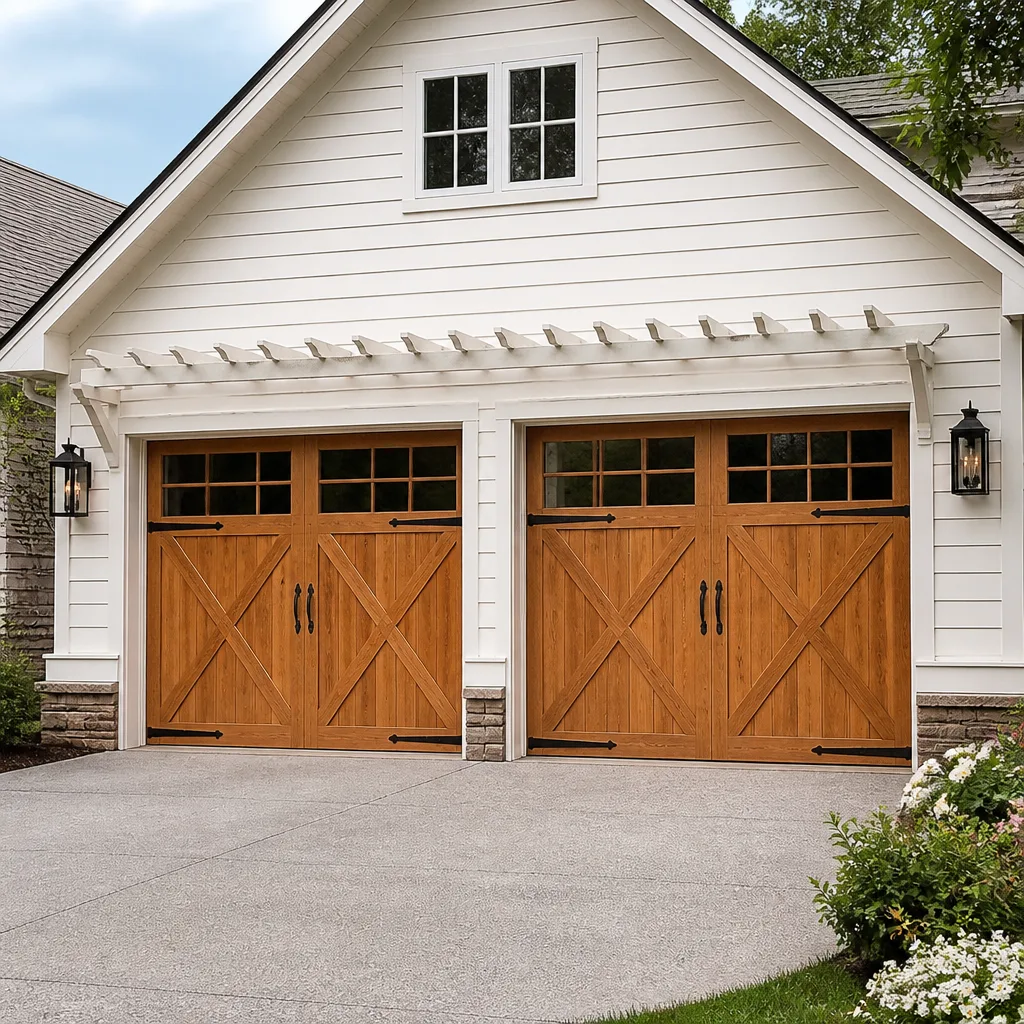 Carriage house
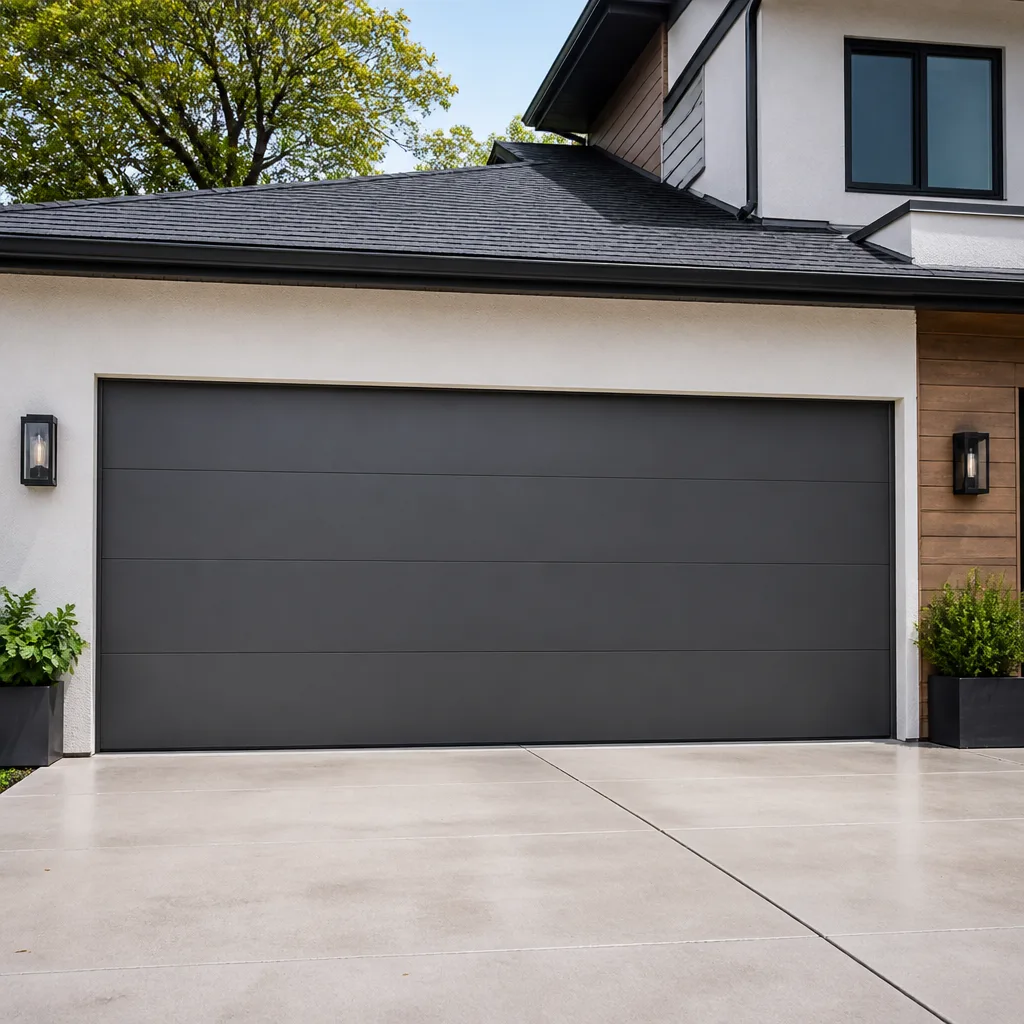 Modern flush
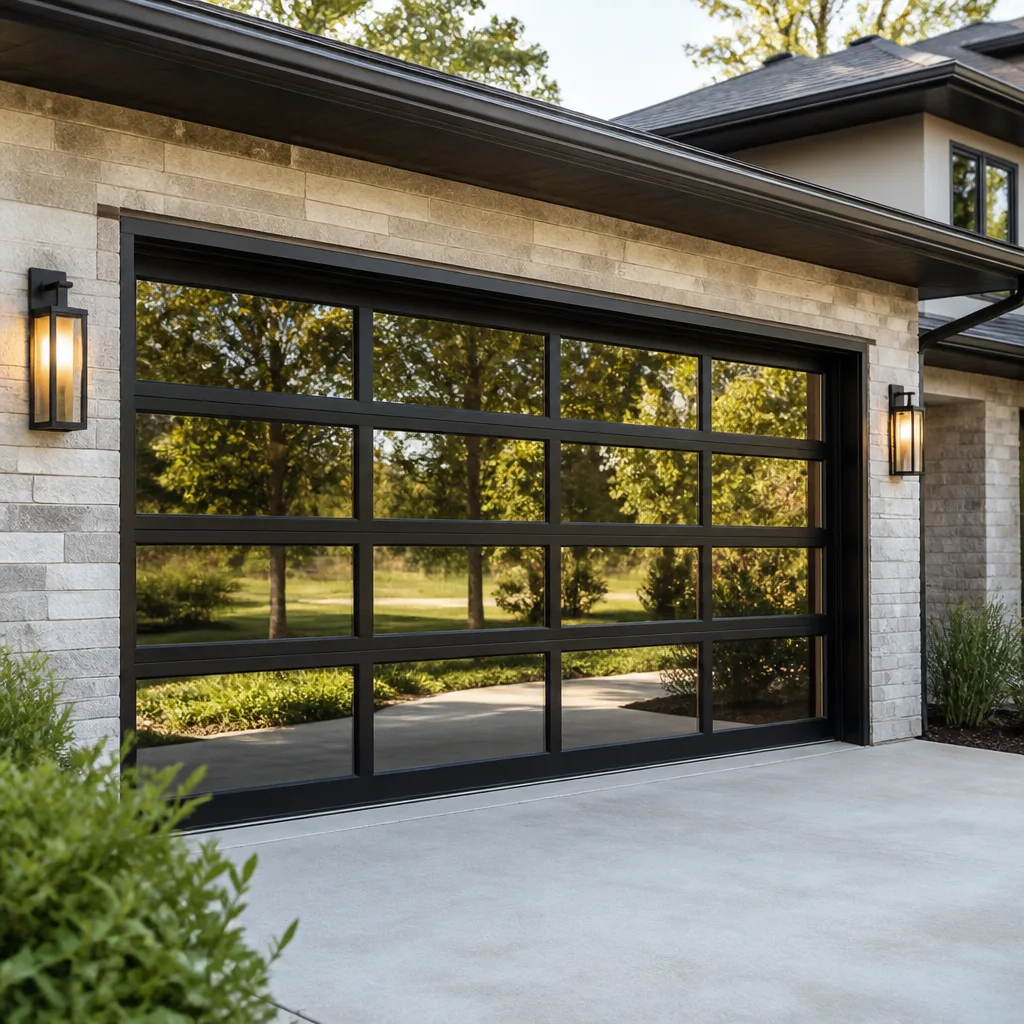 Full-view glass
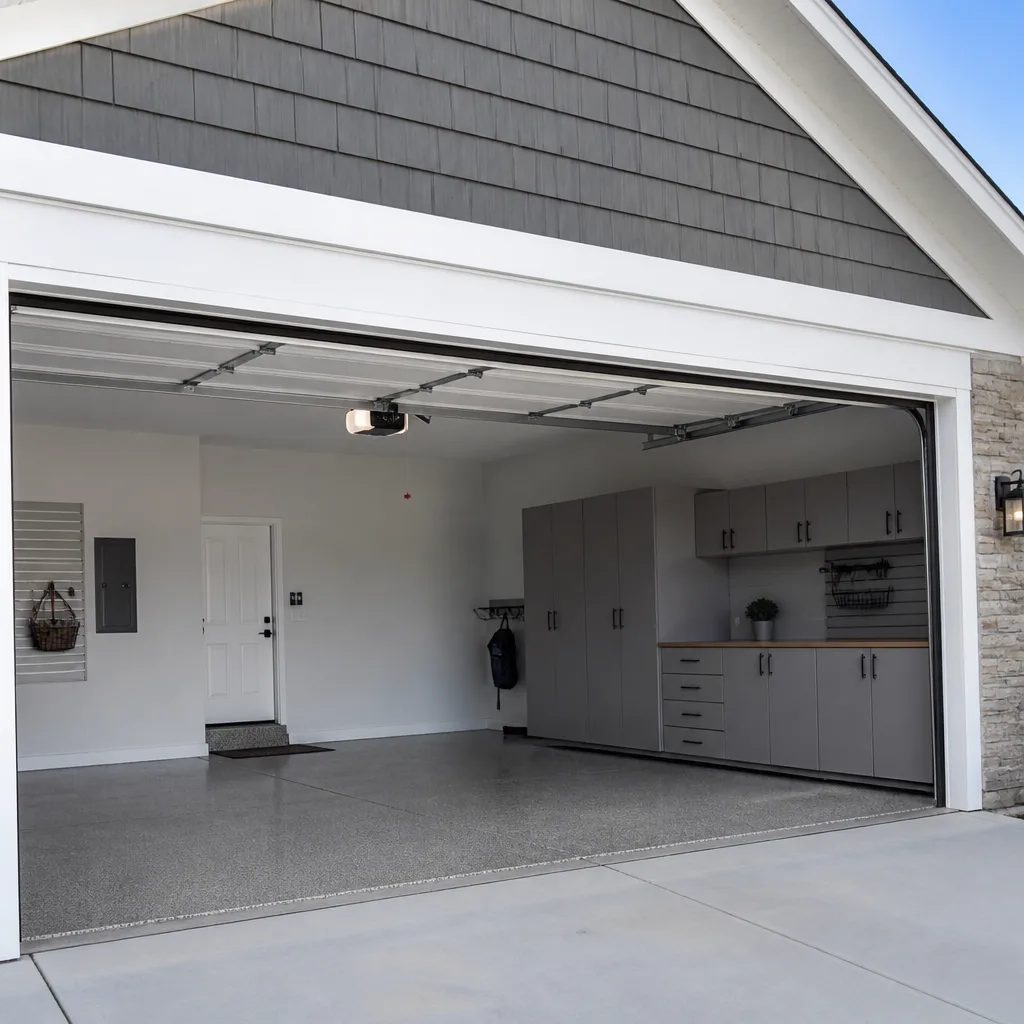 LiftMaster openers
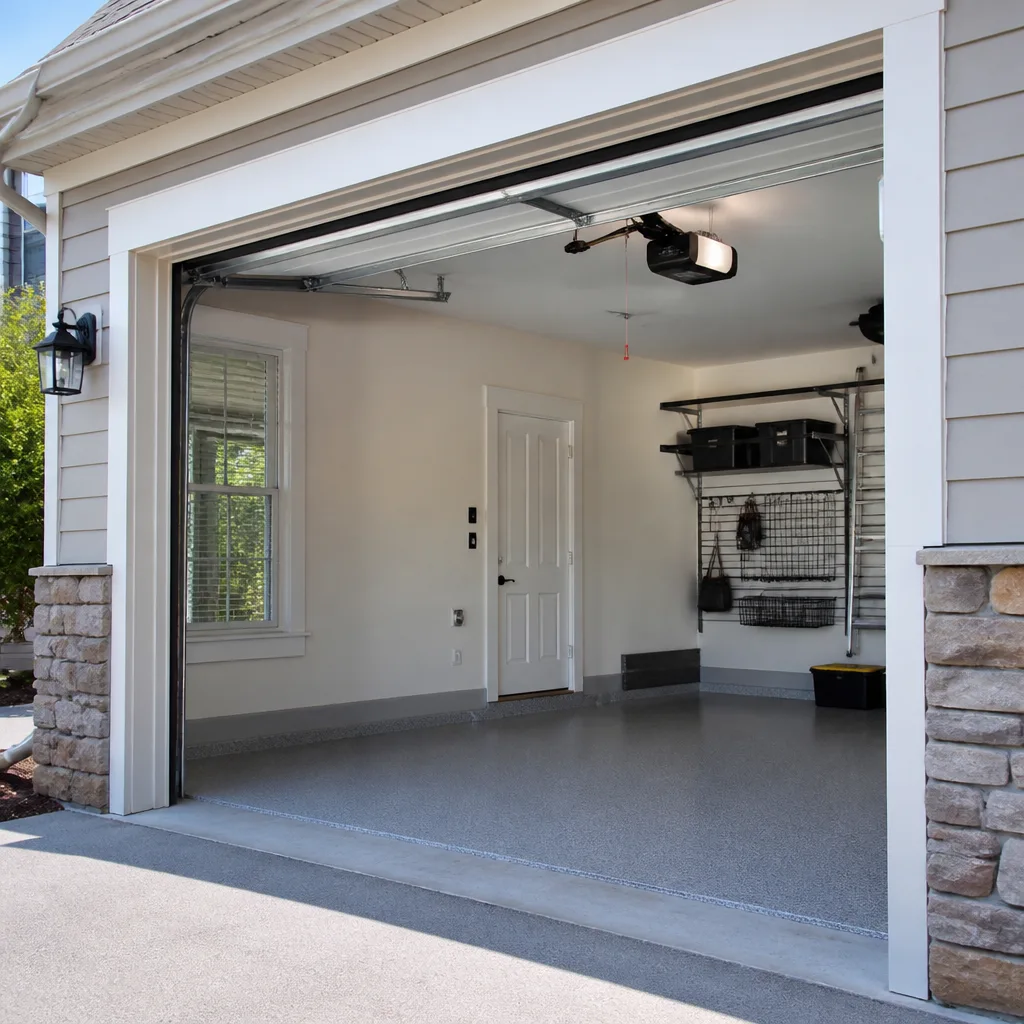 Chamberlain openers
Full 25-point door and opener safety check with every visit - springs, cables, rollers, tracks, and your LiftMaster or Chamberlain opener included
You get a price before we start. It does not change when the pro arrives.
Get your free estimateGarage Door Permits, Codes & Inspections in Mount Lebanon, PA: What You Need to Know
Most homeowners assume that swapping a garage door is maintenance, the same way replacing a mailbox or repainting a shutter is maintenance. It usually isn’t. In Mount Lebanon, whether your door replacement needs a building permit comes down to one question: are you changing the door in the same opening, same size, same structural attachment, or are you changing something structural? That single distinction decides whether you pull a permit or you don’t, and it has a way of surfacing years later during a title search when you sell. This guide walks through the threshold, how UL 325 safety standards fit the local inspection picture, what happens when a neighborhood has architectural review, and what an inspector actually looks at.
Quick Answer
In Mount Lebanon, a straight like-for-like garage door replacement in the existing opening typically does not require a building permit, but any change to the opening size, header, structural framing, or the installation of a new opener and its wiring usually does. When in doubt, call the Mount Lebanon building department before you order the door and ask whether your specific scope triggers a permit. The answer comes down to whether the work is structural or cosmetic, and getting that answer in writing is worth ten minutes of your day.
Styles & brands we work with
- Raised-panel steel
- Carriage house
- Modern flush
- Full-view glass
- LiftMaster openers
- Chamberlain openers
Table of Contents
- When a Garage Door Replacement Needs a Permit in Mount Lebanon
- How UL 325 Safety Standards Fit Local Inspection
- HOA Architectural Review and Neighborhood Rules
- What a Permit Inspection Actually Checks
- Contractor vs. Homeowner: Who Pulls the Permit?
- How Mount Lebanon Weather Affects Door Choice and Wear
- Why This Matters at Resale
- Common Mistakes to Avoid
When a Garage Door Replacement Needs a Permit in Mount Lebanon
The short answer is that a permit is about structure, not surface. Replacing a single door panel, swapping a worn section, or installing a new door of identical size in an unchanged opening is generally treated as maintenance. Change the opening, and you’ve crossed into permit territory. Mount Lebanon’s residential code, like most Pennsylvania municipalities, ties permit requirements to work that affects the structural envelope of the house. A garage door opening is part of that envelope, and the header above it carries real load.
Here’s where homeowners get tripped up. The door itself is a large moving object attached to a structural frame. If you’re replacing a 16-foot door with another 16-foot door in the same opening, using the same attachment points, the structural picture is unchanged. If you’re converting a single door to a double, raising the header, widening the opening, or changing from a roll-up to a sectional door with a different track configuration, you’re modifying the structure. That needs a permit and an inspection.
A practical checklist for the like-for-like question:
- Same opening width and height? If yes, you’re usually in maintenance territory.
- Same door type? A sectional door replaced with a sectional door is different from a conversion.
- Same attachment points and track layout? If the new door uses the existing structural attachment, no structural change occurred.
- Same header? If the header height or material changes, a permit is likely.
- New opener or new wiring? This is a separate question, addressed below.
We work on doors from Clopay, Amarr, and Wayne Dalton, and in our experience the manufacturer’s installation manual for the specific door model spells out the required clearances and attachment specs. That manual is what a code official will reference if there’s a question. Ask for it before the door goes up on the wall.
The opener question
Installing a new garage door opener, or replacing one with a different model, typically requires an electrical permit in Mount Lebanon. This is where people get surprised. The door itself was maintenance; now you’re adding a motorized device wired into the house’s electrical system. Some municipalities require the electrical permit; others don’t. Call the building department and ask about the specific opener model you’re considering. Opener brands like LiftMaster and Chamberlain install to consistent electrical requirements, but that doesn’t mean the code path is the same everywhere in Allegheny County.
How UL 325 Safety Standards Fit Local Inspection
UL 325 is the safety standard for garage door operators, and it’s federal baseline, not a local ordinance. It requires two features that show up on every inspection: the safety reversal system, which sends the door back up if it meets an obstruction while closing, and the photo-eye sensors installed near the floor on either side of the door opening. These aren’t optional accessories. They’re the federal minimum for automatic garage door openers, and they’re what an inspector will test.
The interaction with local inspection is straightforward. Mount Lebanon’s code inspection team will look for the safety reversal to work and the photo-eye system to interrupt the door when the beam is broken. If you installed the opener yourself or hired an unlicensed installer, this is often where problems show up: the photo eyes are set too high, misaligned, or wired backward, and the door closes anyway. The door “works,” but the safety system is nonfunctional, and that’s a failed inspection.
UL 325 also sets requirements around entrapment protection. For residential doors, the two mechanisms (reversal + photo eyes) are the standard. Some openers add a third, like a door-edge sensor or a wireless safety beam, but the two basics are mandatory. Because we specialize in garage door opener repair (both legacy systems and modern smart-home connected units like Chamberlain myQ and LiftMaster), we test the safety system first on any new install, before we touch the door’s travel limits.
If you’re replacing only the door and keeping the existing opener, the safety reversal system and photo eyes still need to function. An inspector checking the door will test the opener as part of the assembly. Replacing a door with a different weight profile can throw off the opener’s force settings, which is why the safety test matters even when the opener wasn’t technically part of the scope.
HOA Architectural Review and Neighborhood Rules
Several Mount Lebanon neighborhoods maintain homeowner associations with architectural review requirements, which sit on top of the municipal permit question. An HOA architectural review is separate from a building permit. You may not need a permit for a like-for-like door swap, but you’ll still need HOA sign-off if your neighborhood has one. The two processes have different timelines and different reviewers, and skipping the HOA step creates its own headaches at resale.
An HOA review typically asks for:
- Door style and material (raised panel, carriage house, glass panel, etc.).
- Color and finish, sometimes with a specific manufacturer palette.
- Window lite configuration, if the door has windows.
- Manufacturer and model number, sometimes with the spec sheet.
- Dimensioned elevations showing how the new door sits within the opening.
Not every Mount Lebanon block has this. Neighborhoods near the older streets in Mount Lebanon, where homes were built across many decades and the architectural character is more varied, tend to have looser review. Newer or more uniform subdivisions often have stricter review. If you’re not sure whether your neighborhood has a review process, check your deed restrictions, your closing paperwork, or call the borough. If your neighborhood does have one, the door manufacturer’s spec sheet is your friend. Clopay, Amarr, and Wayne Dalton all publish detailed product specs that make an HOA submission straightforward.
Wind load matters too. Pennsylvania doesn’t sit in a high-wind zone the way coastal states do, but any door replacement that changes the opening or the door’s profile can raise questions during inspections about how the door is rated and whether the installation accounts for the wind load on that specific wall. If your neighborhood sits on higher ground or an exposed lot, it’s worth asking the building department whether the replacement needs a wind load conversation.
What a Permit Inspection Actually Checks
The inspection is not mysterious. It’s a short list of safety and structural items, and knowing the list means you can look at the same things the inspector will. Here’s what a Mount Lebanon building inspector typically walks through:
- Spring type and condition. The springs above the door are the load-bearing energy source. Torsion springs (the horizontal coiled springs on most modern doors) or extension springs (the older side-mounted style) both need to be appropriately rated for the door weight and correctly secured. Springs are the most dangerous component on the assembly, and a broken or mismatched spring fails inspection every time.
- Opener safety reversal. The opener is tested against an obstruction (typically a 2×4 laid flat on the floor). The door should reverse on contact.
- Photo-eye sensor function. The inspector breaks the beam between the sensors and confirms the door reverses. Sensor height (typically 4 to 6 inches off the floor on residential doors) is checked.
- Bottom seal. The rubber seal along the bottom edge should be intact and contacting the floor. This is weather and pest protection as much as aesthetics.
- Header clearance and attachment. The door’s track and header brackets should be attached to structural framing, not drywall, and clearances should match the manufacturer’s specs.
- Travel limits. The door should open smoothly to its up limit and close fully. A door that slams down is a travel-limit or spring problem.
- Cable condition. The lift cables should be intact, correctly wound on their drums, and free of fraying. Frayed cables fail.
The inspector isn’t interested in how the door looks. They’re checking function and safety. If you’ve done a like-for-like replacement with a competent crew, the inspection is usually a short visit. If the spring type was changed without matching the door weight, or the opener was installed without the photo eyes functioning, you’ll be asked to correct and reinspect.
One reason to keep our contact information on the fridge: broken springs are the most common cause of garage door failure, and a spring that fails three weeks before an inspection is not going to pass. Our technicians have up to 10 years of experience, and we handle garage door spring repair as a dedicated specialty rather than an afterthought. If a spring is what failed, that’s where we start.
Contractor vs. Homeowner: Who Pulls the Permit?
The permit is almost always the contractor’s responsibility when the contractor is doing the work, and it should be written into the quote. But the contractor can only pull the permit if they’re licensed and registered in the municipality. This is where hiring the wrong installer creates a mess. Some installers avoid pulling permits because they aren’t registered with the municipality to do it, or because they see it as a cost-cutting measure, or because they know the door install will pass inspection unpermited and figure it’s the homeowner’s problem. All three of those reasons shift the risk to the homeowner.
When you hire a garage door installer in Mount Lebanon, ask three questions:
- Are you registered to pull a permit for this work in Mount Lebanon?
- Is the permit fee included in the quote?
- Will the permit application and the final inspection sign-off be delivered to me when the job is complete?
If the answer to any of these is vague or “we don’t usually bother for a door swap,” you need to think carefully. A door swap that’s genuinely maintenance doesn’t need a permit, so that answer could be honest. But if you’re changing the opening or the opener, “we don’t bother” is a red flag. The homeowner is on the deed, so the homeowner is the one the municipality comes back to. If a permit was required and never pulled, the homeowner pays for the retroactive permit, and in some cases the municipality requires an inspection that shows the work is safe. That’s a longer, more expensive process than pulling the permit upfront.
On the contractor side, the reason the permit matters isn’t just to satisfy the borough. It’s that an inspection is a safety check on the springs, opener, and structure. A permit process brings an independent set of eyes to the work. That’s worth something on a component like a torsion spring, which stores enough energy to cause real injury if it fails.
How Mount Lebanon Weather Affects Door Choice and Wear
Mount Lebanon’s weather cycle matters for how a door wears and what it looks like when it needs work. The region gets real temperature swings across the seasons, and a garage door expands and contracts with that cycle. A steel door that fits perfectly in mild weather can sit slightly differently in cold or heat, which is why track alignment and roller condition get tested during inspections. It’s also why we see doors that “suddenly” start dragging on one side: the track has shifted a fraction of an inch as the temperature dropped, and the roller is catching.
The region also sees freeze-thaw cycles in the cold months and humidity swings in the warm ones. That combination is hard on the bottom seal (which cracks) and on the weatherstripping around the door’s perimeter. An inspector checking the bottom seal is checking whether the door still seals against drafts and moisture. On older Mount Lebanon homes, some garage doors sit in openings that have been through many decades of those freeze-thaw cycles, and the header framing itself may show the wear. When we’re called out for garage door repair, one of the first things we look at is whether the door problem is a door problem or an opening problem.
Snow loads and ice don’t usually threaten a door’s structure, but they do affect the rollers and hinges. Salt gets tracked in on vehicles during the winter and works its way into the moving parts. A door that was perfectly quiet in October can turn noisy by February. Routine cleaning and lubrication keeps the movement smooth, but if the springs are old, winter is often when they fail. Cold hardens steel and shrinks it slightly, and a spring that was near the end of its cycle can snap.
In the warmer months, humidity can cause wood components on older carriage-house style doors to swell and warp, which changes the way the door moves in its tracks. If your door has wood or wood-look steel panels, the humidity swing is worth watching. Steel panels with a wood-grain finish won’t warp, but they’ll still move with temperature. If the door has been through several seasonal cycles without a basic tune-up, the inspector will find the loose hardware.
Why This Matters at Resale
When a Mount Lebanon home goes on the market, the title search and the buyer’s inspector start asking questions about modifications. An unpermitted garage door replacement that changed the opening generally shows up as a discrepancy: the closed-off work was done but no permit exists in the borough’s records. That’s when the seller has to explain, and sometimes the transaction pauses while the retroactive permitting process catches up.
Retroactive permits are not impossible. They’re just slower and often more expensive than a permit pulled upfront. The municipality typically requires a site visit, an inspection of the completed work, and the same fee plus an additional compliance cost. If the work was done incorrectly (say, a door installed without the required header clearance or a spring not rated for the door weight), the correction adds more cost. What was a small permit fee becomes a larger retroactive deliverable.
Buyers’ inspectors aren’t looking for permit sticker numbers on the door. They’re looking at whether the door works safely (springs intact, opener safety system functional, bottom seal intact) and whether anything structural was modified without a paper trail. A clean garage door replacement with a permit and inspection sign-off is a feature. An unpermitted structural change is a negotiating point against you.
If you’re considering a door replacement in Mount Lebanon and you’re not sure whether you’re in like-for-like or structural-change territory, our team can walk the door with you and check the opening. A free estimate includes a look at the existing opening and clear advice on whether the scope you’re considering will need a permit. We work on doors from Clopay, Amarr, and Wayne Dalton, among others, and we can tell you what’s installed and what’s involved in a swap.
Common Mistakes to Avoid
- Assuming “a door is a door.” The permit question isn’t about the door; it’s about the opening. A door of identical size in an unchanged opening is usually maintenance. A door that changes the opening is structural. Mount Lebanon homeowners often confuse the two.
- Skipping the HOA review. An HOA architectural review is separate from the municipal permit, and skipping it creates a paper trail problem even if the door is perfect. Check your deed restrictions before ordering the door, not after.
- Not asking the contractor for the permit sign-off. A contractor can say the permit is “handled” and then not deliver the sign-off paperwork. Ask for the permit number and the final inspection sign-off in writing when the job is done.
- Installing a new opener without checking the electrical permit question. The door swap may be maintenance, but the opener usually isn’t. Ask the building department before the new opener gets wired in, especially if you’re moving to a smart-home connected unit like a Chamberlain myQ or a LiftMaster.
- Replacing the door without touching the springs. A new door has a different weight profile and the existing springs may not be rated for it. A mismatched spring load fails inspection and shortens the opener’s life. Springs need to be matched to the new door’s weight.
- Skipping the photo-eye test after install. UL 325 requires functional photo eyes and a safety reversal. If the photo eyes are misaligned, set too high, or wired backward, the door still “works” but fails inspection. Test them before you call the job done.
- Not checking the bottom seal and header clearance. These are two of the most commonly missed inspection items and two of the cheapest to fix before the inspector arrives. A quick visual check catches most of them.
See the difference
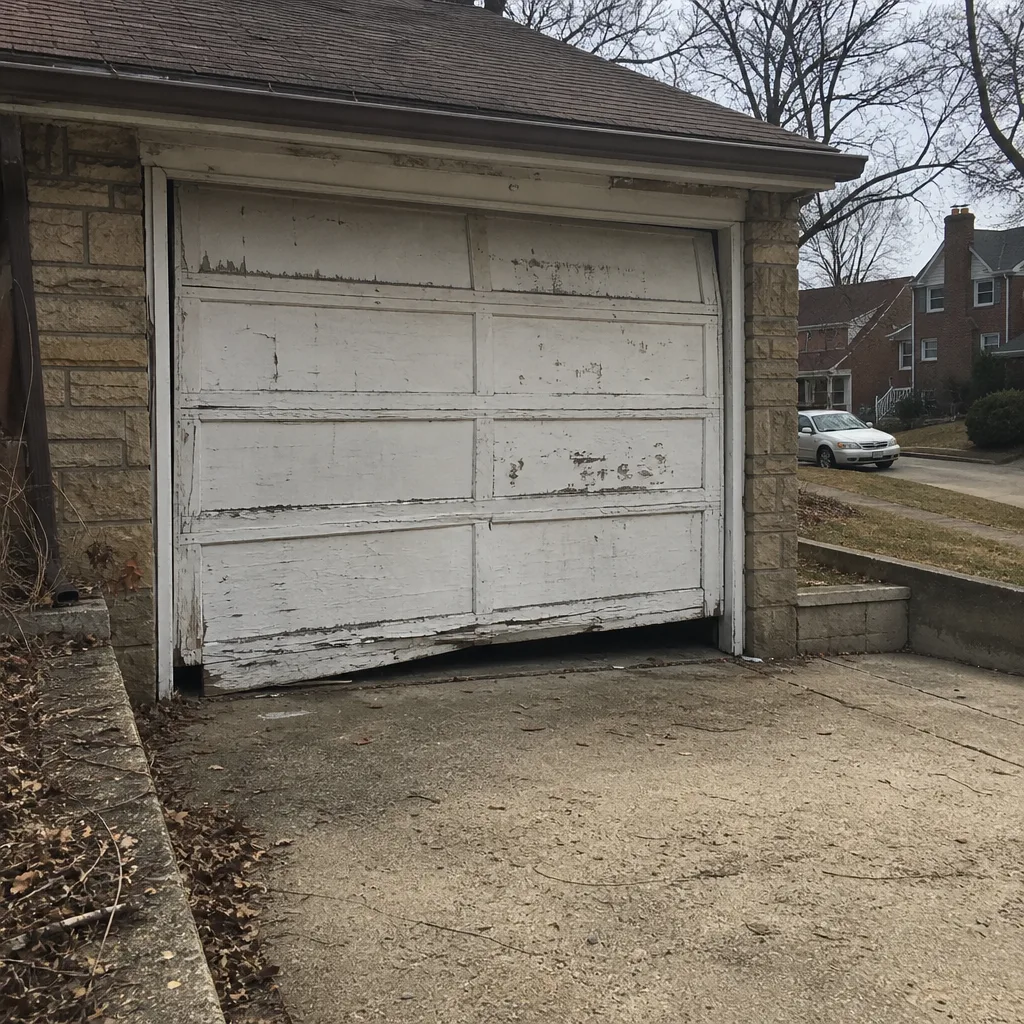 Before
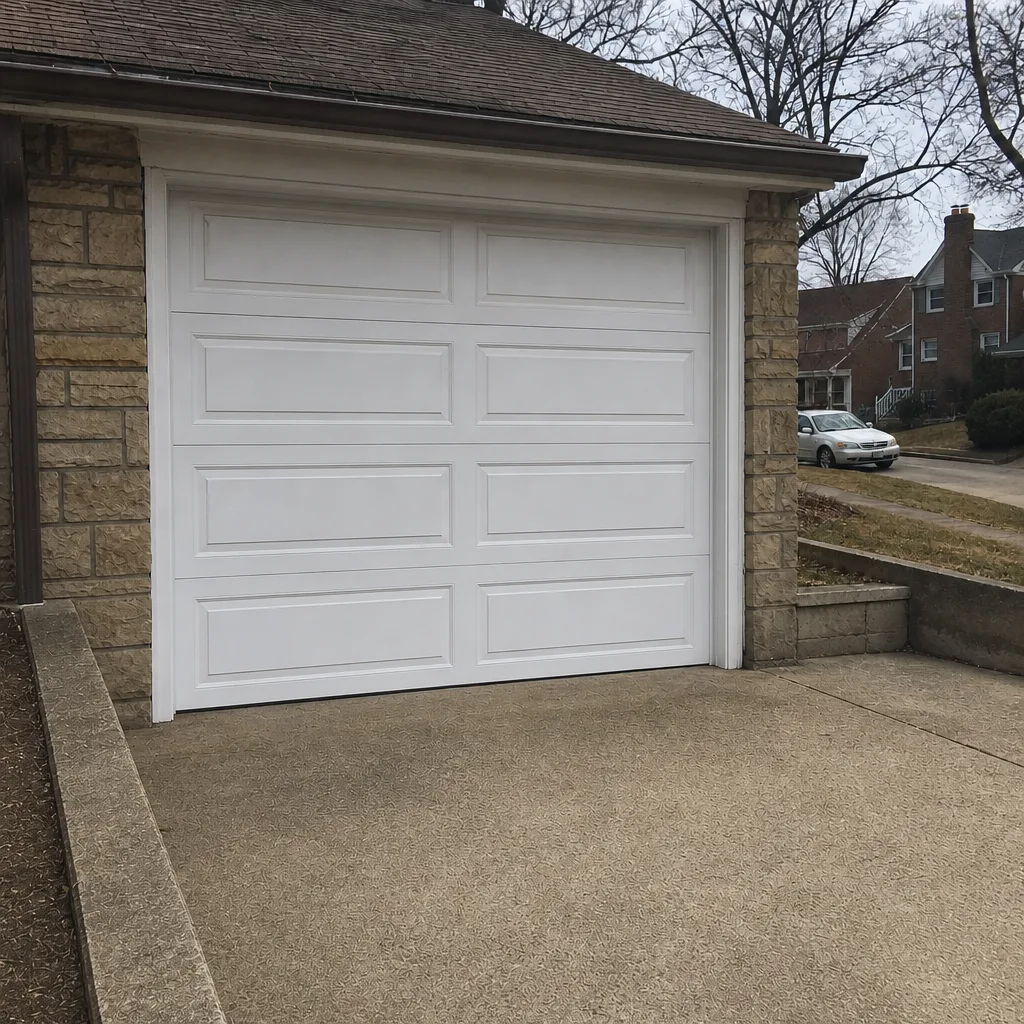 After
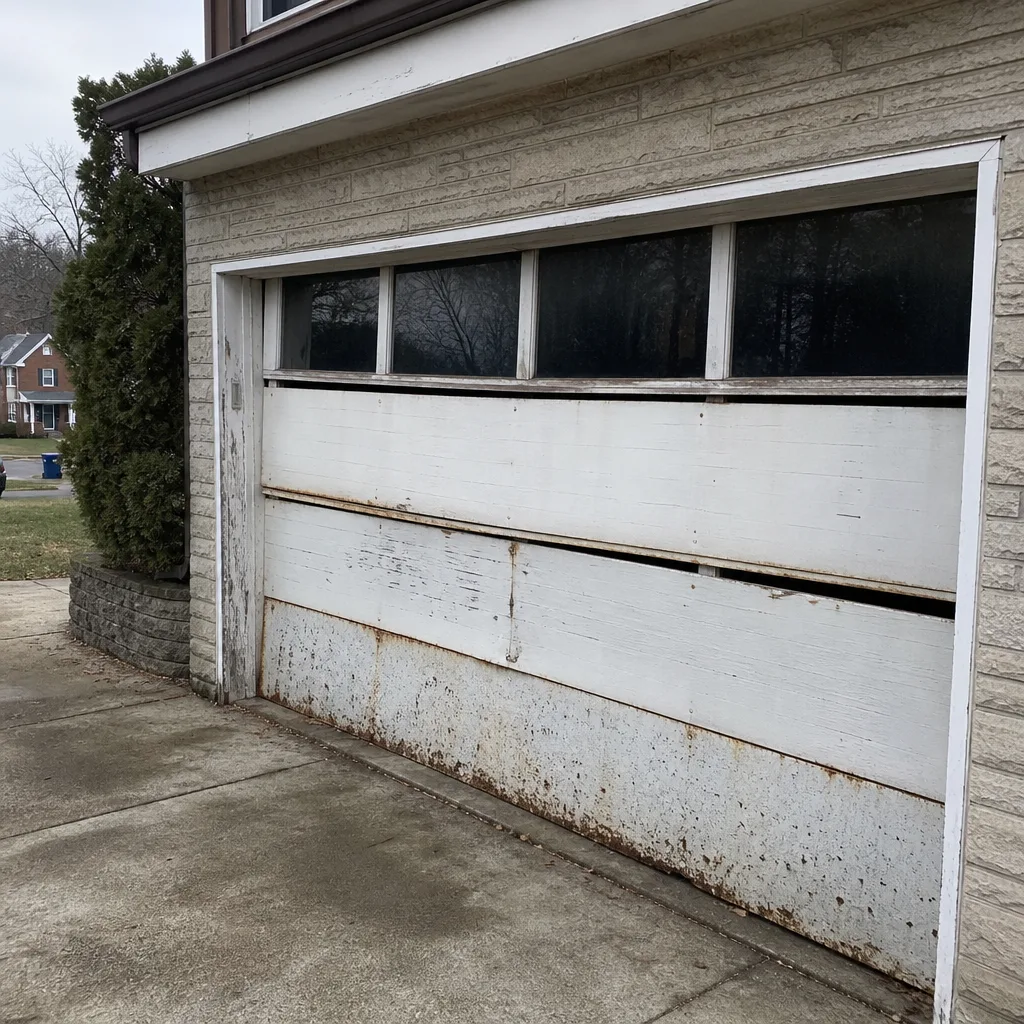 Before
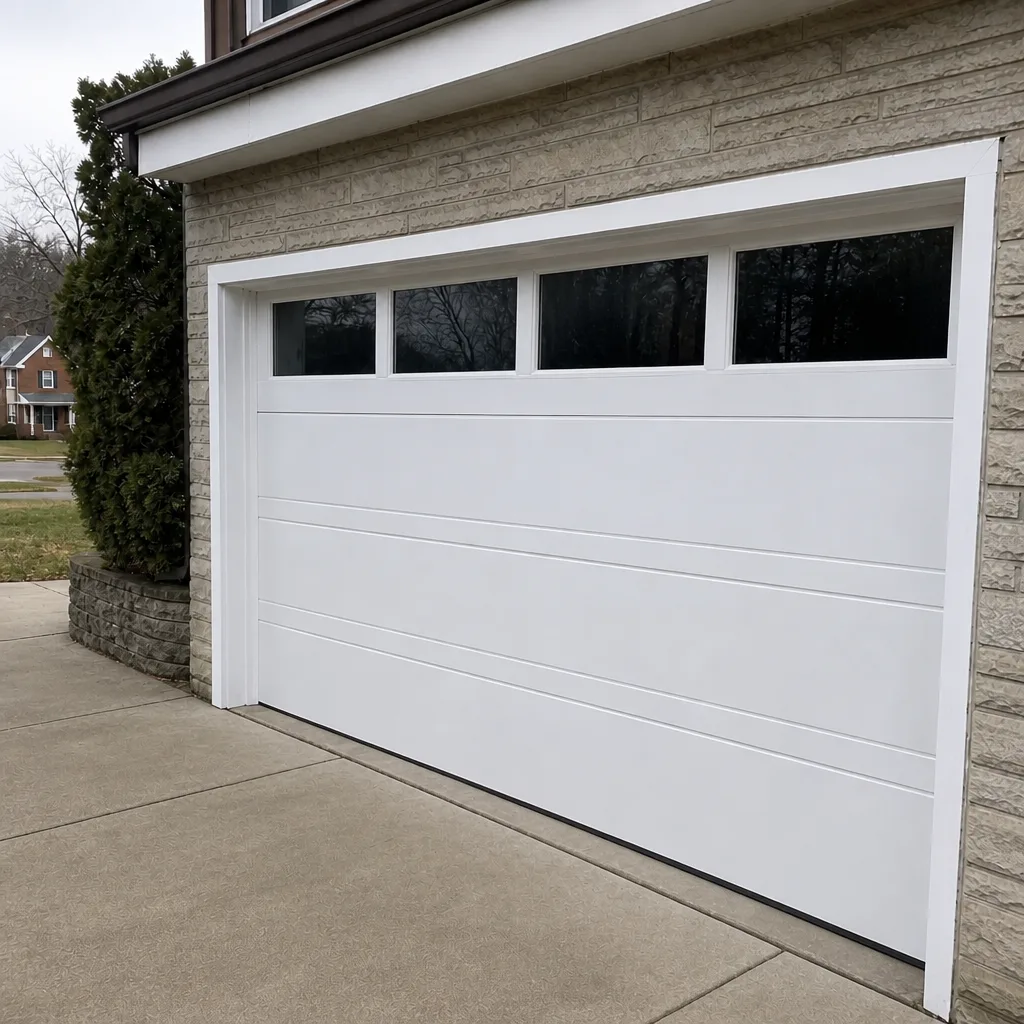 After
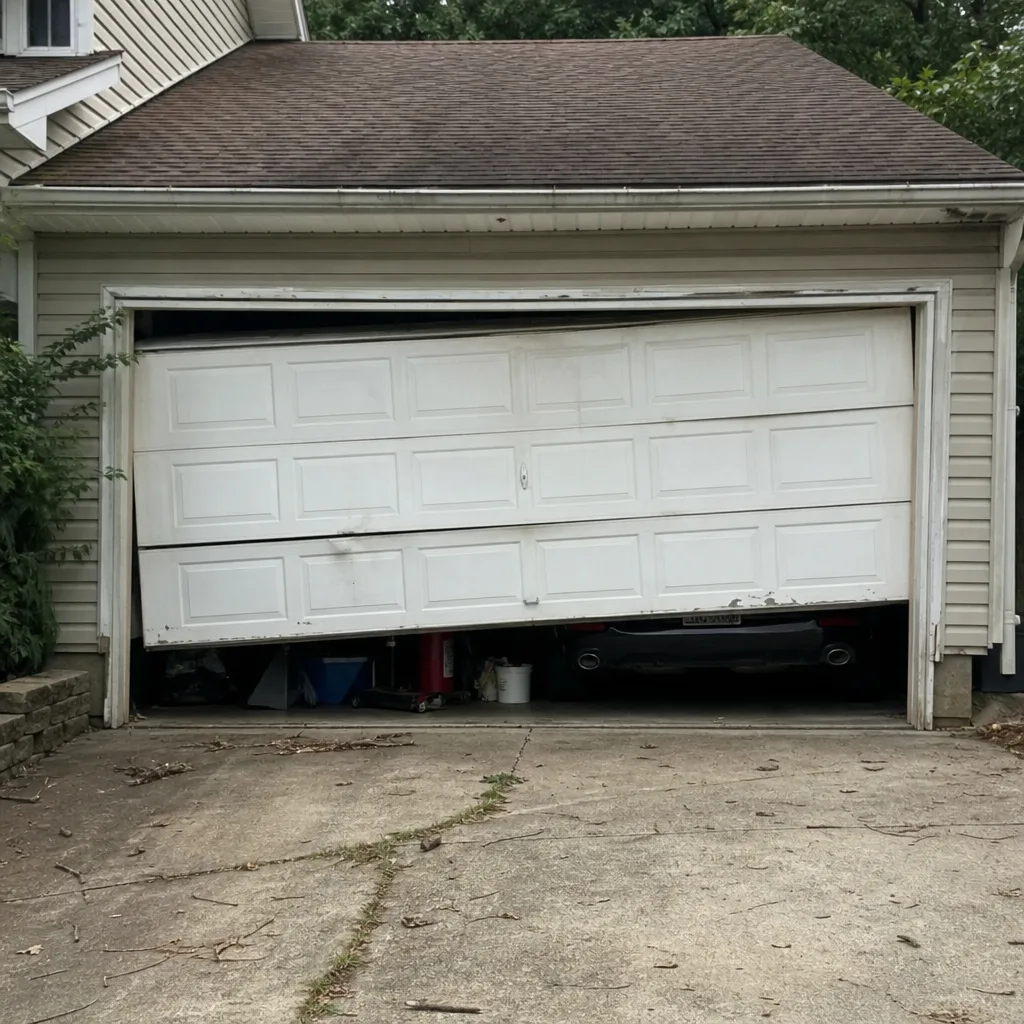 Before
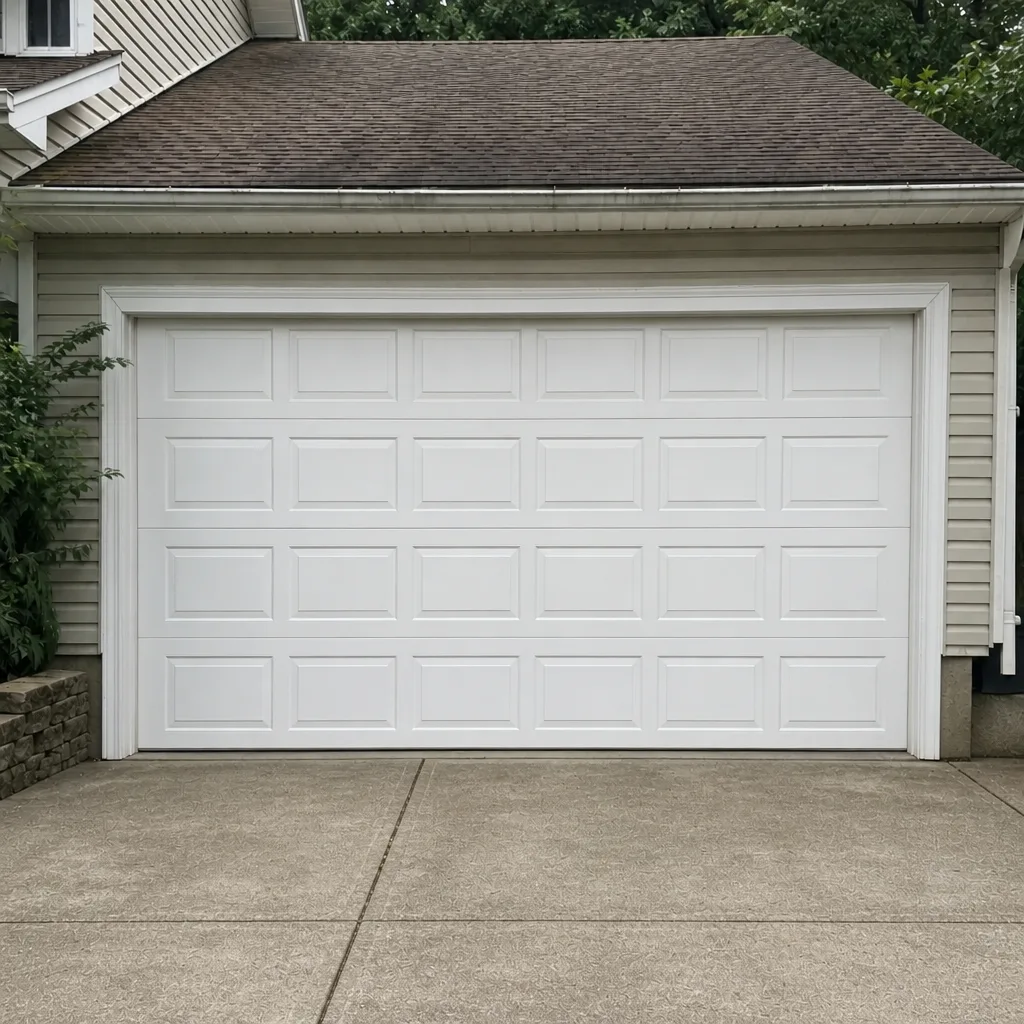 After
When to Call a Professional
If your door is binding in its tracks, hanging at an angle, or making a snapping or popping sound when it opens, don’t touch the springs. Garage door springs store energy under tension, and a broken or failing spring can release that energy in an instant. That’s a job for a trained technician, full stop. If the door is off its track, the panels are bent, or the opener is grinding or reversing on its own, those are all professional territory too. Replacing a door of a different weight profile without checking the spring rating is another case where a professional should be involved, because the load math matters. And if you’re planning a door replacement and you’re unsure whether the scope needs a permit, our team can look at the opening and tell you.
Garage Door Repair Mount Lebanon offers free estimates in Mount Lebanon, call (877) 640-9337. We answer 24/7. Fast dispatch from 7am to 7pm, Sunday through Friday. Same-day service is available for urgent repairs. For a door installation or replacement, we’ll come out for a free measure and a written price before anything is ordered. Our technicians have up to 10 years of experience and handle everything from garage door opener repair to Garage Door Repair Mount Lebanon service and full installations.
Frequently Asked Questions
If you’re replacing a door with the same size door in the same opening, using the same attachment points, you generally do not need a permit; that’s treated as maintenance. If you’re changing the opening size, the header, or the structural attachments, you do. The building department can confirm the answer for your specific scope, and it’s worth the call before you order the door. Call (877) 640-9337 if you’d like us to walk the opening with you first; estimates are free.
Often yes, because installing or replacing an opener typically involves electrical work, and many municipalities treat that as an electrical permit item. The specific answer depends on the borough and the scope. Ask the Mount Lebanon building department before the opener is installed, especially if you’re switching to a different model or a smart-home connected unit.
The local professionals we connect you with are licensed and insured as their state and municipality require, and homeowners should always confirm the contractor is registered to pull a permit for the scope of work. A contractor who isn’t registered can’t pull the permit, which shifts the risk to you. Ask for the license and insurance information in writing before any work begins.
An inspector checks spring type and condition, opener safety reversal, photo-eye sensor function, bottom seal, header clearance, track attachment, cable condition, and door travel limits. It’s a short list focused on safety and structural integrity, not aesthetics. A door that looks fine but fails the safety reversal or photo-eye test fails inspection.
It can. A structural change made without a permit can show up during a title search, and the seller typically has to go through a retroactive permitting process. That process is usually slower and more expensive than pulling the permit upfront. A clean permit and inspection sign-off on a garage door replacement is a feature, not a liability.
Prices are set per job by the written estimate, and we give that estimate free before any work starts. Spring replacement, opener repair, track realignment, and panel replacement each have different scopes and different prices, and the written quote is what you’ll pay. Call (877) 640-9337 for an exact quote, estimates are free.
The written estimate is the price. We look at the door, the opening, and the components involved before we quote, so the estimate reflects what the job actually needs. If the scope changes after the work starts (an unexpected track issue, for instance), we talk to you about it before anything is added. The price is quoted and agreed before any work starts.
Not directly, but the seasonal temperature swing and freeze-thaw cycles wear on springs, seals, and rollers, and a worn component is what fails inspection. Cold weather can snap a spring near the end of its cycle, and humidity warps older wood components. A door that passed inspection in mild weather can have a component fail by winter, which is worth knowing if an inspection is scheduled.
The Bottom Line
Whether your garage door replacement in Mount Lebanon needs a permit comes down to one question: are you changing the opening, or are you replacing a door in it? Same opening, same attachment, same size, usually maintenance. Structural change, usually a permit. The second question is the opener, which often needs an electrical permit on its own. Add HOA architectural review on top if your neighborhood has one. And remember what the inspection actually checks: springs, safety reversal, photo eyes, bottom seal, header clearance, cables, and travel limits. Getting the permit right upfront is cheaper and faster than a retroactive pull, and it dresses up a garage door replacement at resale rather than raising questions.
Written by the team at Garage Door Repair Mount Lebanon.