
Last updated November 23, 2026
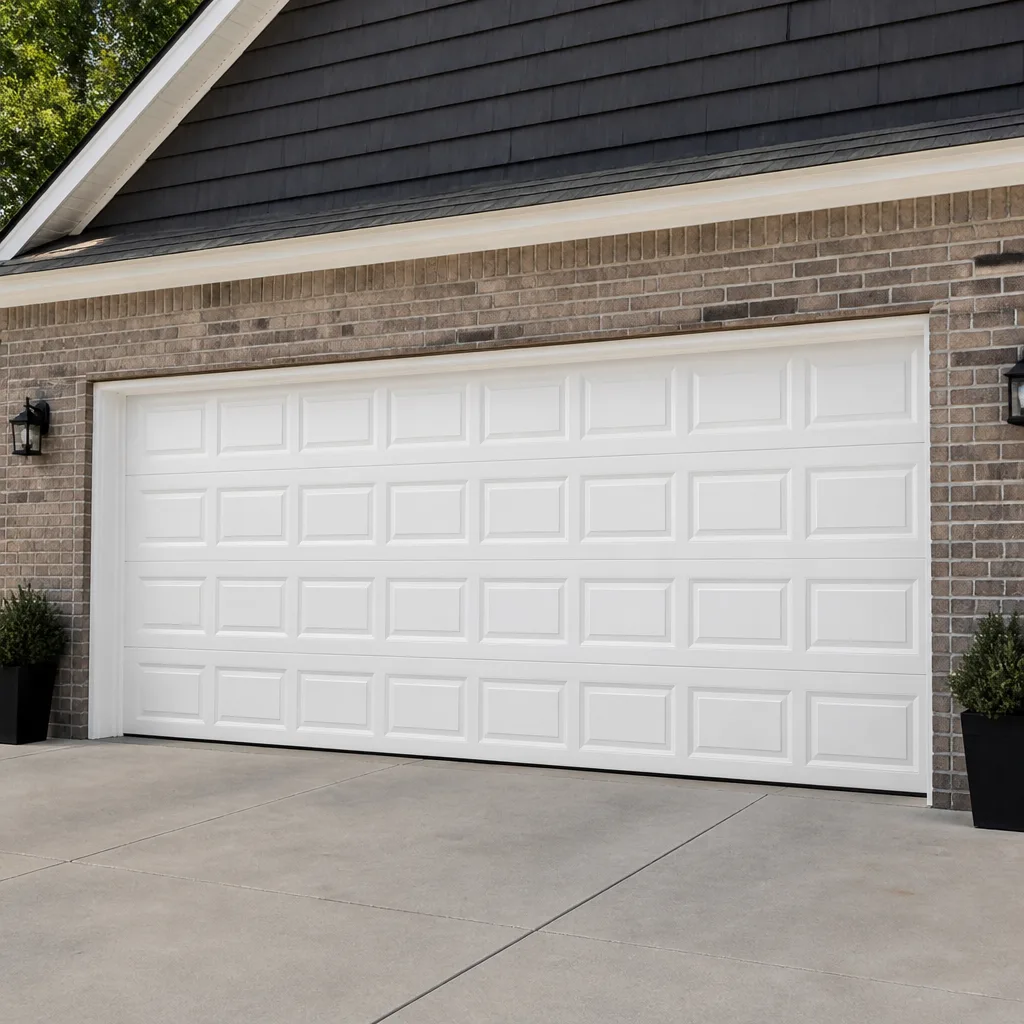 Raised-panel steel
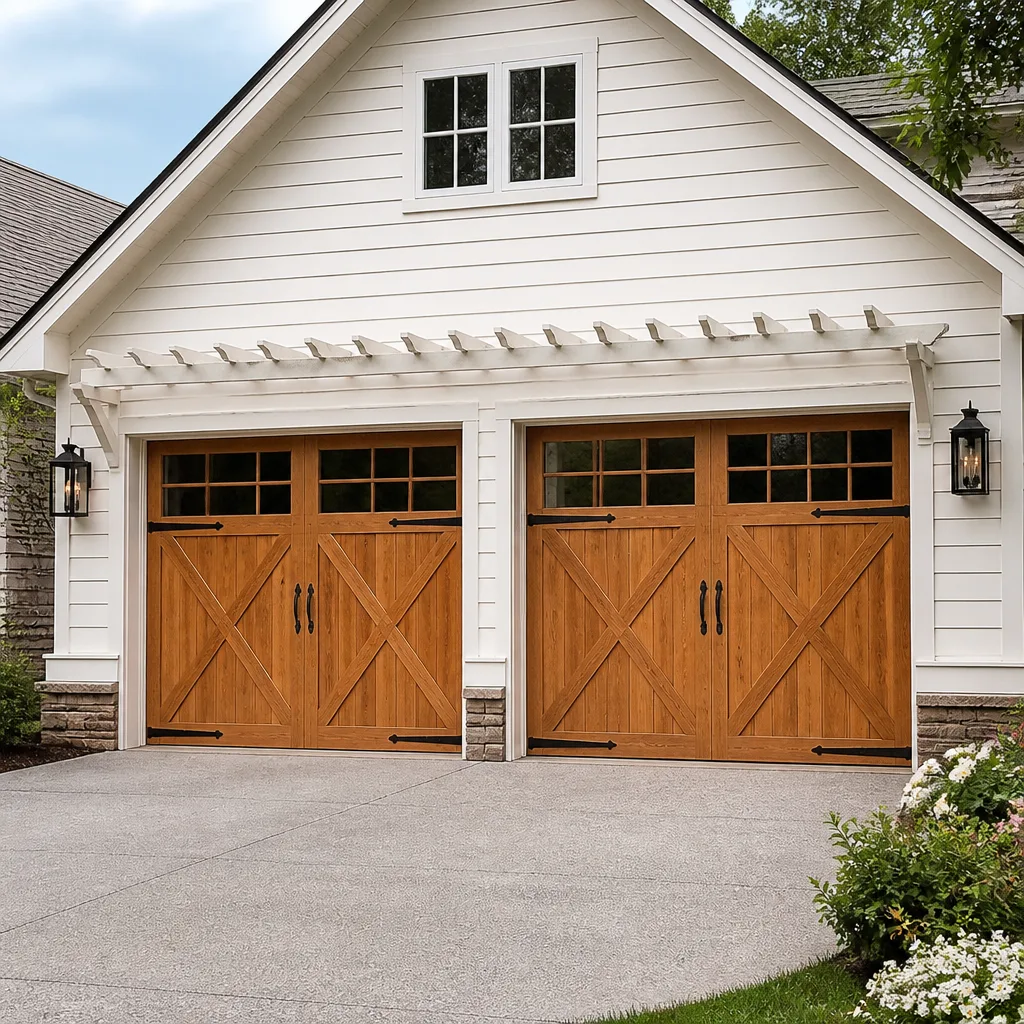 Carriage house
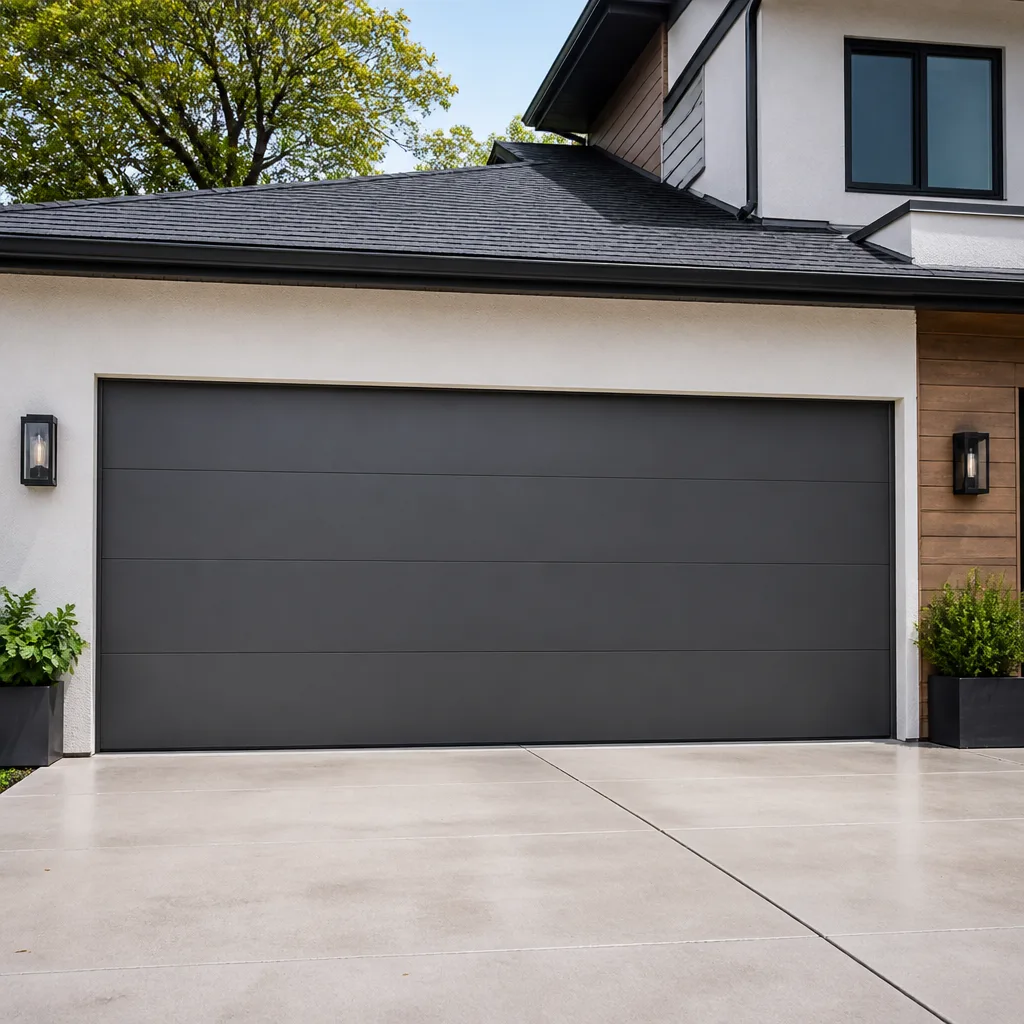 Modern flush
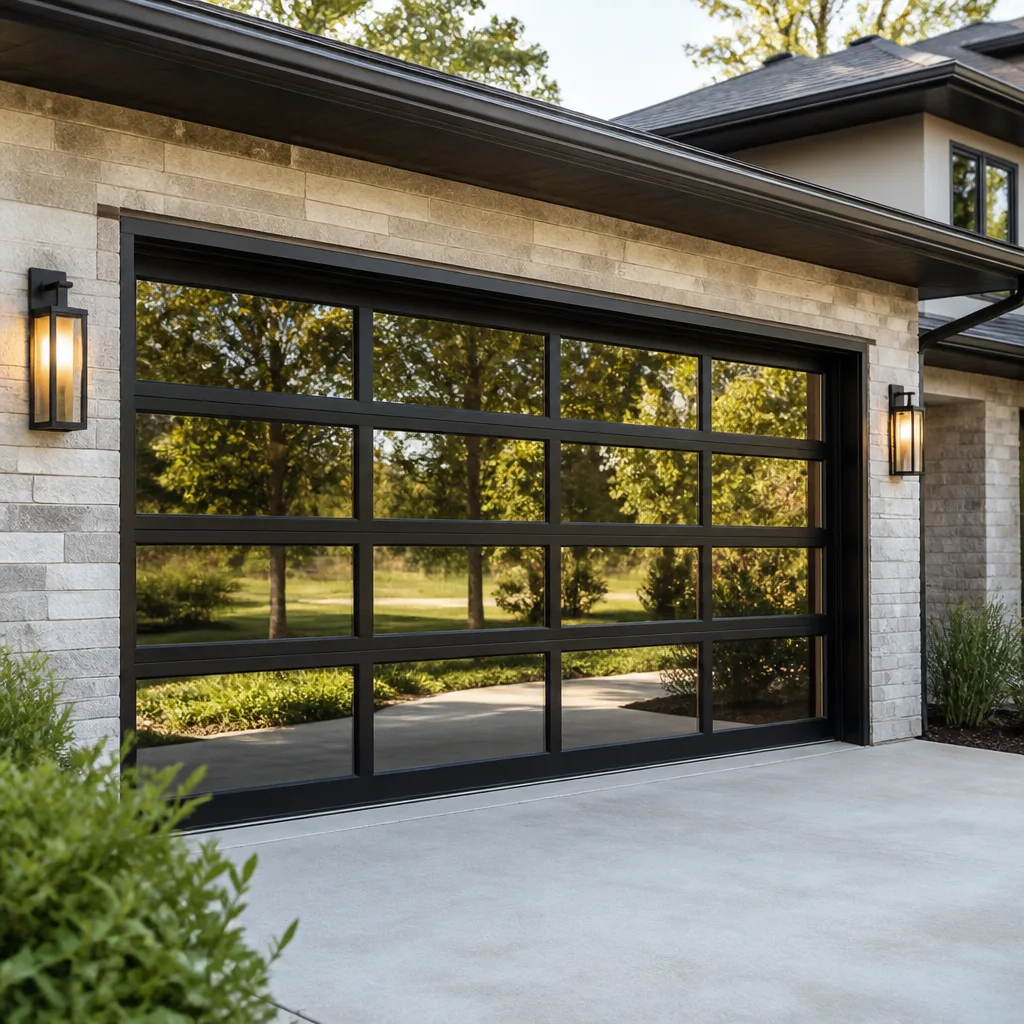 Full-view glass
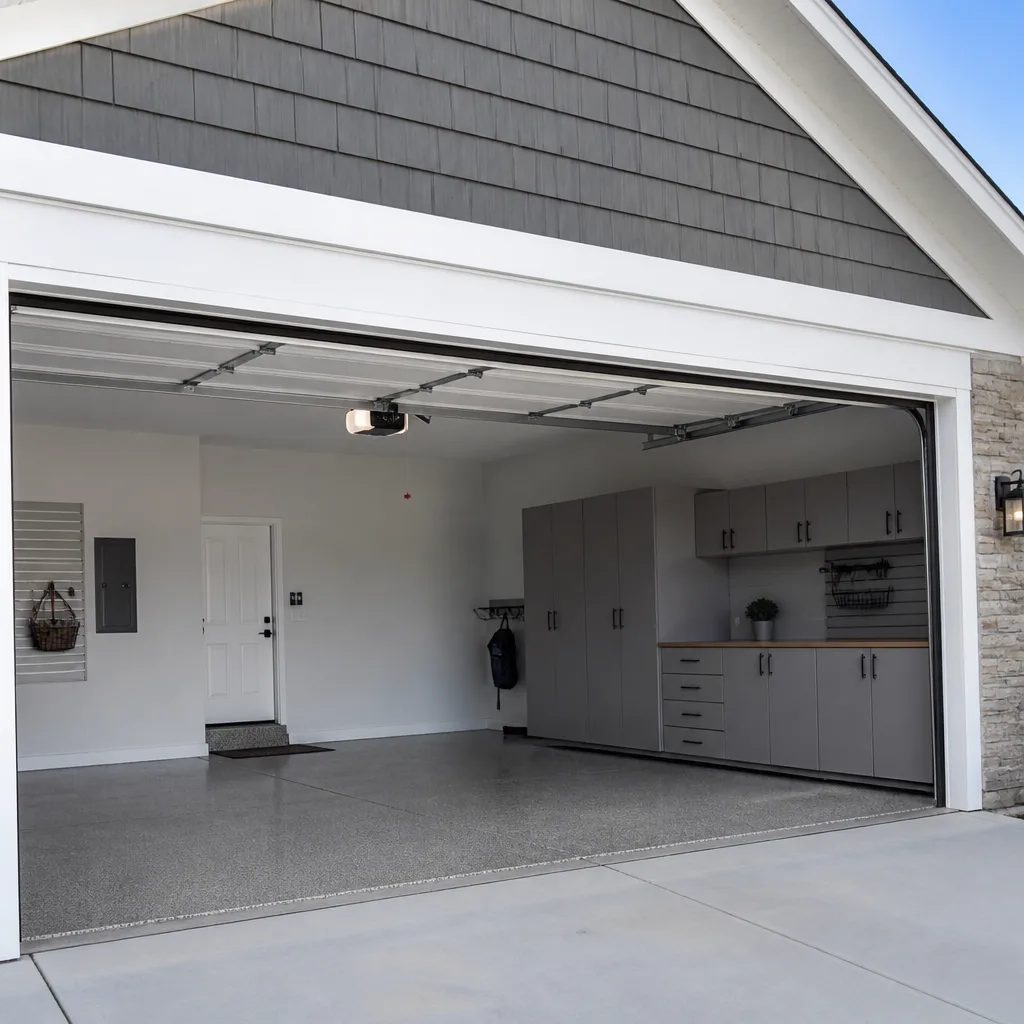 LiftMaster openers
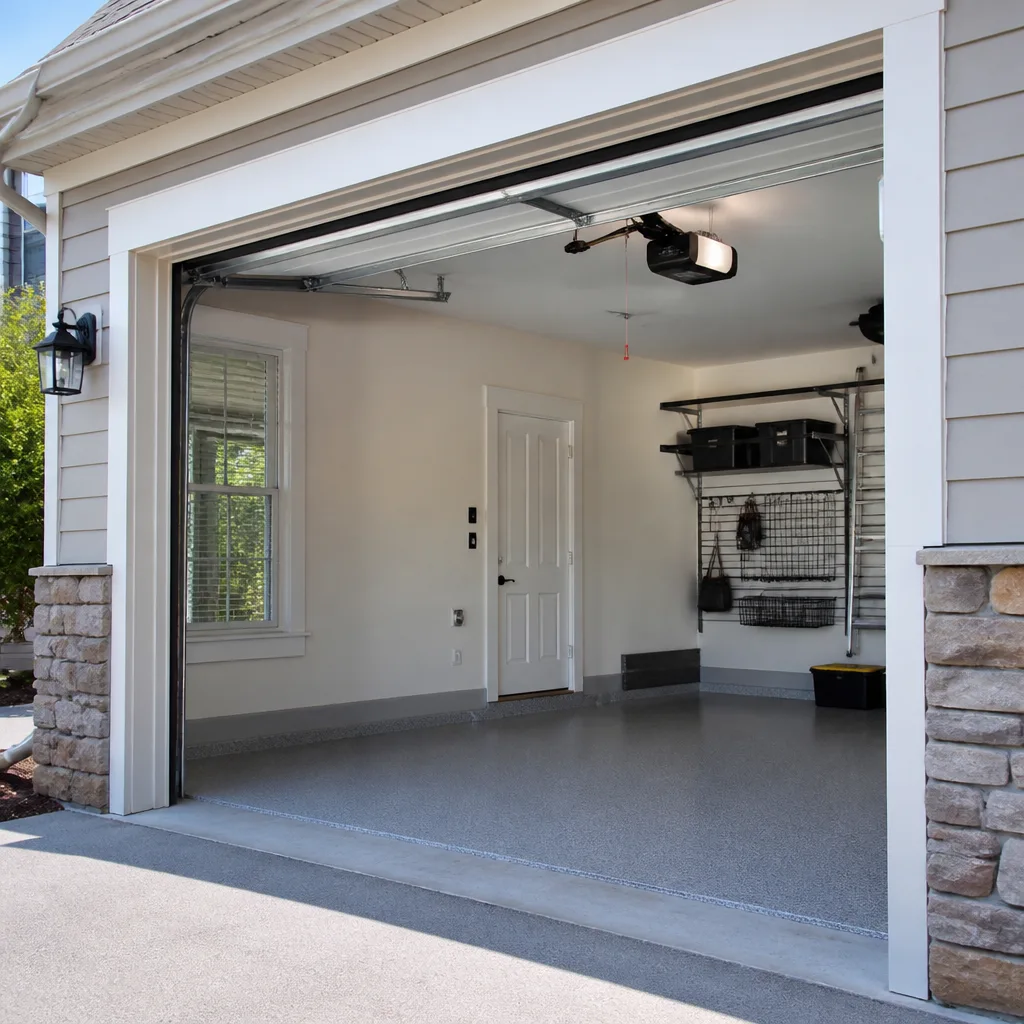 Chamberlain openers
Full 25-point door and opener safety check with every visit - springs, cables, rollers, tracks, and your LiftMaster or Chamberlain opener included
You get a price before we start. It does not change when the pro arrives.
Get your free estimateGarage Door Repair Maintenance Checklist for Mount Lebanon Homeowners
Silicone spray on a torsion spring is one of the most common homeowner mistakes we see. It feels like maintenance, it looks like maintenance, and it quietly makes things worse: silicone attracts grit, the grit grinds between the coils, and wear accelerates on the one part that holds the whole door’s weight. Springs need white lithium grease. Rollers and hinges need silicone. Tracks need nothing at all. Get those three assignments wrong and a checklist does more harm than good. What follows is a component-by-component maintenance guide built around what actually fails first on Mount Lebanon doors, with the right product, the right interval, and a realistic sense of what you can safely do yourself.
Quick Answer
A working garage door maintenance routine in Mount Lebanon comes down to four things: monthly visual checks (cables, rollers, bottom seal), lubrication on a component-specific schedule using the correct product for each part, seasonal tasks tied to the freeze-thaw cycles that define a Pittsburgh-area winter, and an annual balance test that reveals spring wear before it becomes a failure. Everything that involves springs, cables under tension or the torsion assembly itself belongs to a trained technician, not a homeowner.
Styles & brands we work with
- Raised-panel steel
- Carriage house
- Modern flush
- Full-view glass
- LiftMaster openers
- Chamberlain openers
Table of Contents
- Know Your Door’s Components Before You Touch Anything
- The Component-Specific Lubrication Guide
- The Five-Minute Monthly Check
- Seasonal Maintenance for Pittsburgh-Area Weather
- The Balance Test: Finding Spring Wear Early
- Opener Maintenance by Type and Brand
- What You Should Never Do Yourself
- A Year of Maintenance at a Glance
Know Your Door’s Components Before You Touch Anything
Most maintenance advice falls apart because it treats the garage door as one machine. It isn’t. A sectional door is a system of parts that wear at completely different rates, and each one needs different treatment. Before a checklist makes any sense, you should be able to name what you’re looking at. On a typical Mount Lebanon home, that’s a sectional door (usually steel, sometimes wood or composite) riding on vertical and horizontal tracks, lifted by either torsion springs mounted on a shaft above the door or extension springs running along the sides.
The parts that matter for maintenance:
- Torsion or extension springs – carry the door’s weight and do most of the lifting. Highest-stress parts on the whole system.
- Cables – run from the bottom bracket up to the spring system. Under extreme tension at all times.
- Rollers and hinges – connect the panels and guide them through the track curve. Wear steadily and are cheap to replace.
- Tracks – the rails the door rides in. They guide, they don’t need lubrication.
- Bottom seal and weatherstripping – keep water, cold air and pests out. Age fastest of anything on the door.
- Opener and its rail, chain, belt or shaft – the motor and drive system that moves the door.
Knowing which brand you own helps too. Door manufacturers like Clopay and Amarr use somewhat different panel, hinge and roller configurations, and opener brands like Chamberlain and Genie have their own service points. If a repair is coming, that brand list is the difference between a technician who arrives with the right parts and one who has to guess. Our technicians have up to 10 years of experience across the eight major brands we service, and we work on what you already own rather than steering you toward replacement. For a full rundown of the components and what fails when, see our garage door repair Mount Lebanon page.
The Component-Specific Lubrication Guide
Here’s the most important sentence on this page: the right lubricant for a torsion spring is not the right lubricant for a roller, and it’s definitely not the right lubricant for a track. Lubricate the wrong part with the wrong product and you’ll either attract grit where you don’t want it, gum up a roller bearing, or leave a sticky track that collects dust until the door starts binding. This table is the whole guide in one place.
Which Product Goes Where
- Torsion springs: white lithium grease. Apply a light, even coat along the length of the spring. It stays put, doesn’t attract grit the way silicone can, and keeps the coils from binding on each other.
- Extension springs: white lithium grease, same idea, applied along the visible length of the spring.
- Rollers and hinges: silicone spray on the metal hinge pivots and on the roller stem (not the wheel itself). Silicone is clean, doesn’t hold dust, and won’t degrade the roller’s nylon or steel housing.
- Tracks: nothing. Not grease, not silicone, not WD-40. Tracks should be wiped clean with a dry or slightly damp cloth and left bare. Lubricant in the track collects grit and turns the door into a slow-moving problem.
- Opener rail (chain or screw): follow the opener maker’s specification. Chamberlain and LiftMaster chain-drive rails typically want a light grease on the chain, while belt-drive units need nothing on the belt itself.
- Bottom seal and weatherstripping: a thin wipe of silicone spray keeps the rubber pliable through a Pittsburgh winter. That’s the one place silicone is genuinely the right call on rubber.
How often? Twice a year for springs, rollers and hinges is a sensible baseline for a Mount Lebanon door that opens and closes several times a day. That’s one lubrication pass before winter and one in spring. Over-lubricating is a real problem, so if the springs still look greasy, skip them. The “lubricate everything and call it done” approach most checklists offer is the reason a lot of doors actually wear faster than they should. If you’d rather not deal with products at all, a garage door repair visit for a tune-up covers the whole list correctly.
The Five-Minute Monthly Check
You don’t need tools or products for this, and you don’t need to touch anything under tension. A five-minute walk-around once a month catches most of what turns a small repair into an emergency call. Do it with the door closed, in good light. Here’s the sequence:
- Look at the cables. Runs of cable along either side should be smooth and evenly wound. Any fraying, broken strands, kinks, or cable that’s jumped out of its drum is a stop-and-call situation. Never try to handle a frayed cable yourself, and never try to remove one.
- Check the rollers. Each roller should turn freely and sit snug in its hinge. Look for flat spots, cracked nylon sleeves, or a roller that’s wobbling in the track.
- Check the bottom seal. With the door closed, look at where the rubber meets the floor. A seal that’s flattened, cracked, torn, or leaving a visible gap isn’t doing its job. A quick test is to slip a piece of paper under the door; if it slides out easily, the seal is losing its compression.
- Look at the hinges. Hinges should be tight against the panel and free of rust-through. A hinge that has started to pull loose should be looked at before it becomes a panel problem.
- Check the tracks visually. Look for dents, bends, or debris sitting in the channel. Don’t force anything straight. A bent track has to be reset by someone who knows how much give it has.
- Watch and listen for one full cycle. Run the door up and down once. It should move smoothly and quietly, with no jerking, no grinding, and no pause partway through. Any new noise is worth investigating.
That’s it. Five minutes monthly on a Mount Lebanon door will surface most of the early warning signs. What it won’t do is assess spring wear, which is what the balance test below is for. If you spot any of the red flags in the cables, call for a professional inspection rather than adding it to the “eventually” list. For spring-specific concerns, see our garage door spring repair page.
Seasonal Maintenance for Pittsburgh-Area Weather
The climate around Mount Lebanon is hard on garage doors in a way that generic maintenance advice never accounts for. A western Pennsylvania winter means repeated freeze-thaw cycles: water gets into small gaps, freezes, expands, and works the door’s seals and hardware loose over the course of a season. Summer humidity is the other half of the equation, driving rust and swelling wood on older doors. A maintenance routine should be built around those two forces, not around a calendar that assumes an even climate.
Before Winter
- Inspect all weatherstripping: the bottom seal, the side jambs, and the top seal if your door has one. Any cracked, flattened, or missing rubber gets replaced before the cold locks in. This is the single highest-value seasonal task in this climate.
- Lubricate springs, rollers and hinges so nothing is running dry when temperatures drop.
- Check that the door closes against the floor without a gap. A cold-air leak invites icing at the threshold.
- Test the opener’s safety reverse (see the opener section below) before the season when you’ll be relying on the door most.
After the Freeze-Thaw Season
- Look for water staining or rust at the bottom of the door panels and in the bottom brackets.
- Check spring tension by feel and by balance test (below). Cold-and-warm cycling is hard on springs, and a door that has lost tension is the classic early-summer call.
- Clean the tracks of any grit or debris that blew in over the winter. A dry cloth is all you need.
- Re-check the bottom seal; winter compaction is common.
The point here is that Mount Lebanon maintenance isn’t evenly spread across the year. It front-loads before winter and runs a recovery pass in spring. A homeowner who only does one maintenance pass a year should make it the pre-winter one.
The Balance Test: Finding Spring Wear Early
The balance test is the single most useful thing a homeowner can do to catch spring wear before it becomes a failure. Springs don’t usually let go out of nowhere. They lose tension gradually, and the door starts feeling heavier than it should. The balance test reveals that loss, and it does so safely because you’re never touching the spring itself. Here’s the procedure.
- Close the door fully. Make sure nothing and no one is in the door’s path.
- Pull the manual release. On most openers this is the red cord hanging from the carriage. Give it a firm pull to disconnect the door from the opener. The door is now free to move by hand.
- Lift the door by hand to about waist height, then let go. A door in balance should stay roughly where you leave it, or drift very slowly. It should not drop.
- Lift it to halfway open and let go. Again, it should hold or drift slightly. A door that sinks to the floor from halfway is telling you the springs have lost tension.
- Lift it to shoulder height and let go. It should hold or drift slightly down. A door that shoots up or drops sharply is out of balance.
- Reconnect the opener. Pull the door down to the closed position and re-engage the manual release by running the opener until it reconnects, or by pulling the cord back to its engaged position per your opener’s instructions.
If the door fails the balance test, that’s a spring tension issue, and spring tension is not something to adjust yourself. Torsion springs are under extreme tension even when the door is down, and the risk of serious injury is real. This is where a trained technician belongs. On a Mount Lebanon door, we treat spring repair as its own specialty rather than a side job, and diagnosing a spring that’s lost tension is exactly what saves you an emergency call later. If you’ve never done a balance test, it’s worth doing once with the correct technique, then again each season. Test the door and it answers honestly.
Opener Maintenance by Type and Brand
The opener is the part of the system most homeowners own by brand name without thinking about it. LiftMaster, Chamberlain, Genie, Craftsman and Raynor units all do the same job, but their service points differ, and treating them as interchangeable is where opener problems start. Here’s how to think about it by drive type.
Chain-Drive Openers
Chain-drive openers (common in older LiftMaster and Chamberlain installs) are the workhorses. Their service points are the chain tension, the chain lubrication, and the rail itself. A chain that’s too loose will slap and strain the motor; one that’s too tight wears the sprockets. The maker’s spec is the reference point, and a light grease on the chain (not silicone, not WD-40) is the usual recommendation. If you hear a metallic rattle on start and stop, the chain is the first thing to check.
Belt-Drive Openers
Belt-drive units (Chamberlain and LiftMaster belt models are the most common in Mount Lebanon) run quiet and need very little. The belt itself should stay dry and bare. The service points are the belt tension and the rail’s connection to the opener head. If a belt-drive unit has started to get noisy, it’s usually tension or a worn idler pulley, not the belt.
Jackshaft Openers
Jackshaft openers mount on the side of the torsion shaft instead of hanging over the door, which makes them a popular choice on Mount Lebanon doors that have low ceilings or side-mount clearance. Their service points are the shaft coupling and the opener’s mounting to the wall; the unit doesn’t rely on a chain or belt to the door, so the coupling is what you want to check. Any looseness there should be assessed by a technician.
Safety Reverse Test (All Types)
Every opener type should have its safety reverse tested monthly. Place a test object (a roll of paper towels works) on the floor in the door’s path and run the door down. The door should stop and reverse when it contacts the object. If it doesn’t, the opener’s force or travel settings need attention. On smart-connected models, this is the moment to log into the app (Chamberlain’s myQ is the common one) and confirm the door reports its true position. An opener that thinks the door is closed when it’s open is an opener that will try to close on something. If your opener needs a closer look, our garage door opener repair service covers both mechanical and electronic systems in one visit.
What You Should Never Do Yourself
A good maintenance checklist is also an honest list of limits. There are parts of a garage door that a homeowner should inspect and parts that should be left strictly alone. Getting this line in the right place is what separates maintenance from risk.
- Adjust or replace torsion springs. The spring system stores enormous energy. Even with the door down, the spring is under tension. Attempting this is the most common serious-injury mistake in garage door work.
- Remove or attempt to handle cables. Cables are under constant tension and a frayed or released cable can cause serious injury.
- Force a bent track straight. Tracks can be bent back, but only with the right technique; a wrong-handed repair can misalign the whole door and shear rollers.
- Run the door with a visibly frayed cable or a door that fails the balance test. Stop using the door and call for an inspection. Continuing to run it makes the eventual repair worse.
- Disconnect the opener and leave the door free-floating for a long period. A door left disconnected can drift or drop. Reconnect it or call for service.
- Adjust the opener’s force or travel settings beyond the manual’s instructions. Those settings exist to protect people and the door. If the door needs more force to close, that’s a symptom, not a setting.
In Mount Lebanon, where a lot of homes have older doors and openers still in service, the temptation to “just tighten it” is real. Please don’t. Everything on that list is a job for a trained technician, and most are quick when handled properly. For an emergency that has already happened (a snapped spring, a door off its track), that’s exactly what our emergency garage door service exists for: call and a technician will be sent.
A Year of Maintenance at a Glance
If you’d rather have the whole routine in one place, here’s the compressed version. It’s built to catch the failures that actually happen on Mount Lebanon doors, matched to the climate that causes them.
- Monthly (5 minutes): visual check of cables, rollers, bottom seal, hinges, and tracks. Watch and listen to one full cycle.
- Every other month: safety reverse test on the opener. Confirm the app reports correctly on smart models.
- Twice a year (pre-winter and post-winter): white lithium grease on springs, silicone on hinges and roller stems, dry wipe on tracks, silicone wipe on the bottom seal. Balance test both times.
- Once a year: a professional tune-up to check spring tension and cable condition, inspect the opener’s mechanical state, and catch what a visual check can’t.
Nothing on that list is exotic. What makes it work is assignment: the right product, the right part, the right interval. Do that and a Mount Lebanon door will stay quieter, safer and farther from a forced replacement for longer.
Common Mistakes to Avoid
- Spraying silicone on a torsion spring. It feels protective, but it attracts grit and accelerates wear on the most stressed component on the door. Springs get white lithium grease, full stop.
- Greasing the tracks. Lubricant in the track collects grit and turns the door into a slow-moving binding problem. Tracks should be clean and bare.
- Using WD-40 as a maintenance product on rollers or springs. WD-40 is a light solvent, not a lasting lubricant. It works short-term and leaves the part drier than it was.
- Skipping the pre-winter weatherstripping check. Mount Lebanon’s freeze-thaw cycles punish a tired bottom seal. A small gap in November becomes an icing and water problem by January.
- Ignoring a door that fails the balance test. A door that drifts or drops has a spring problem on the way. Running it anyway is how a maintenance issue becomes an emergency.
- Adjusting opener force settings to compensate for a heavy door. If the opener needs more force, the door needs service. Turning up the force can burn out the opener and cause the door to close on something.
- Assuming any opener brand works with any door’s settings. Chamberlain, Genie and LiftMaster each have their own travel and force adjustments. Following the wrong manual is a common way to end up with an opener that behaves unpredictably.
See the difference
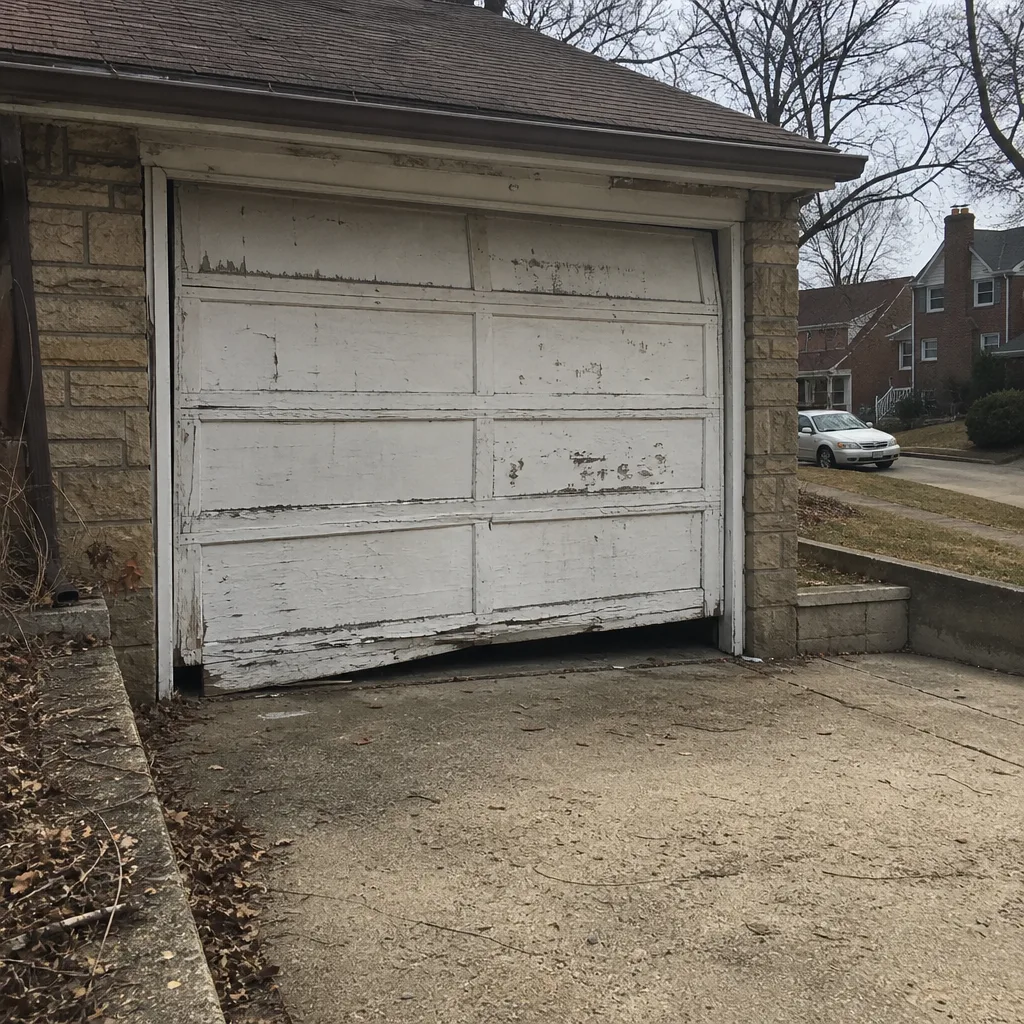 Before
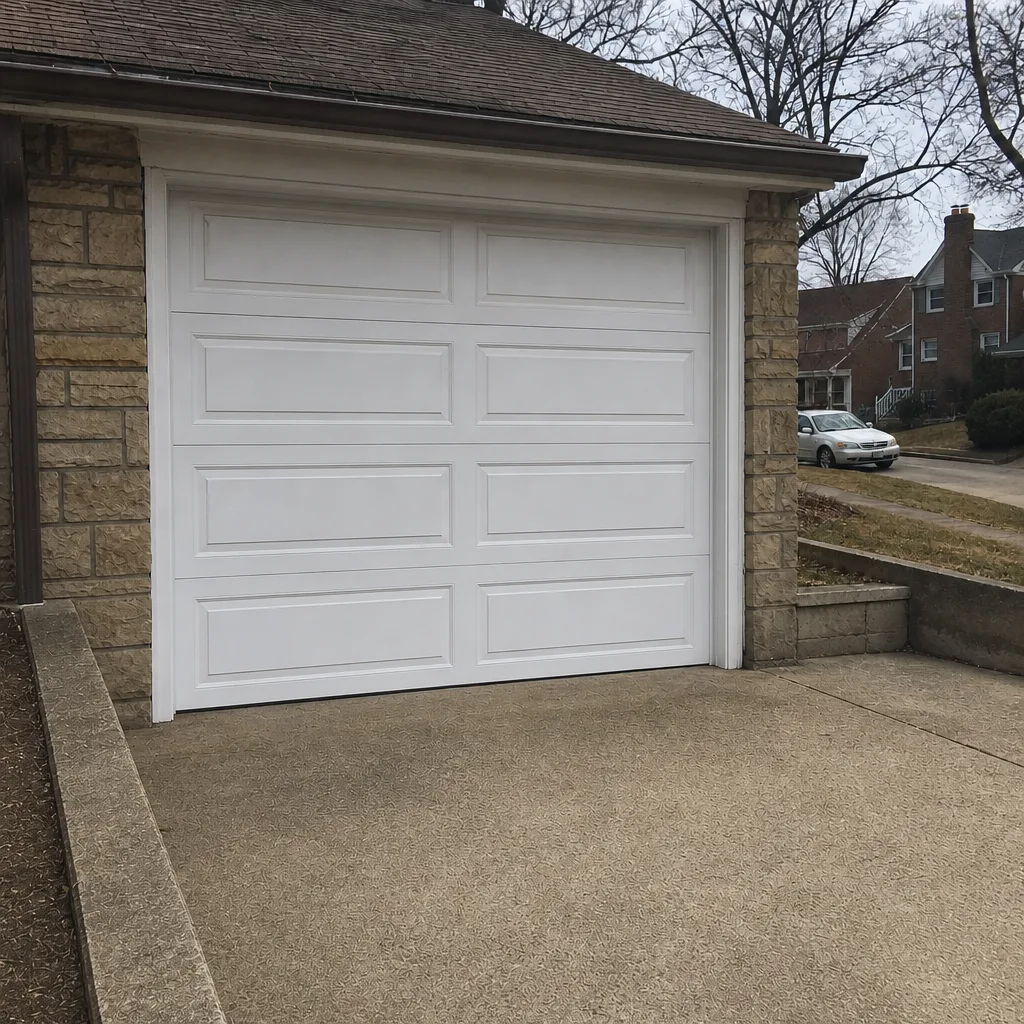 After
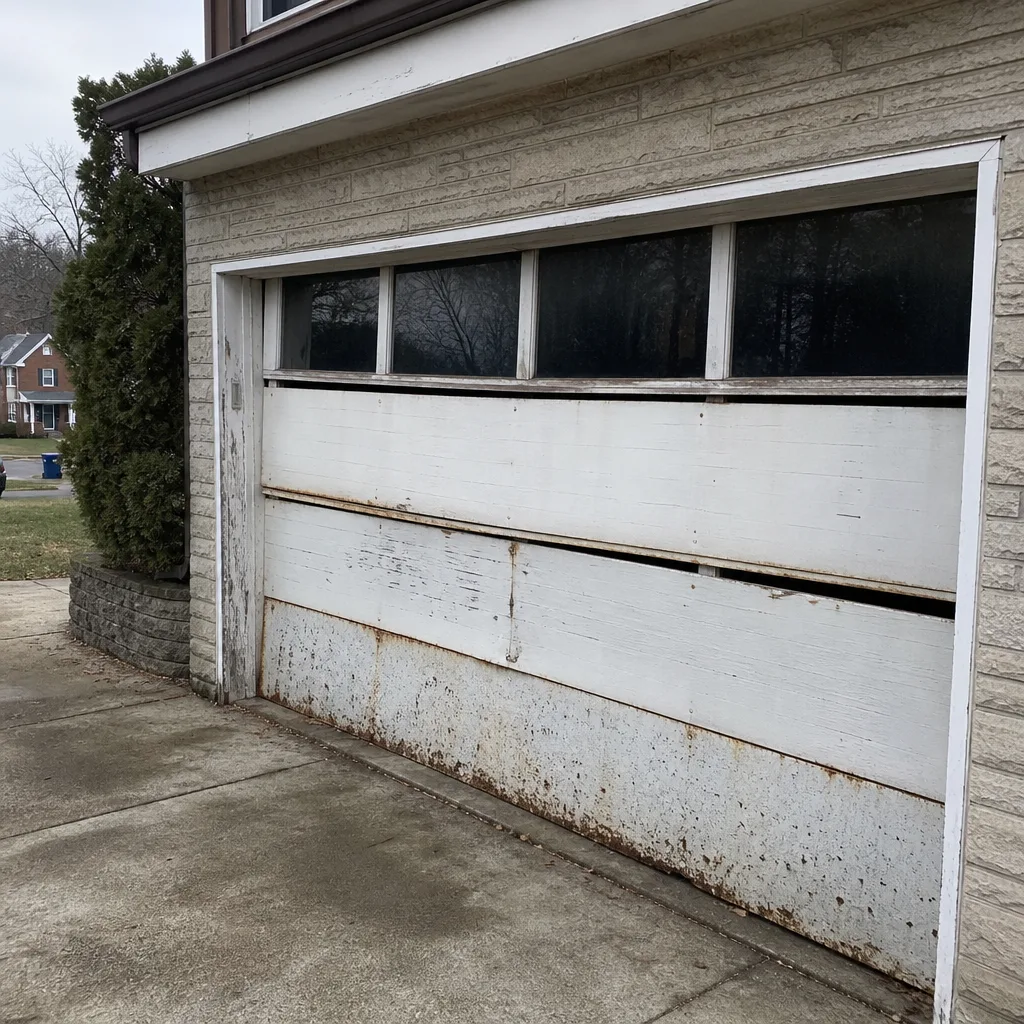 Before
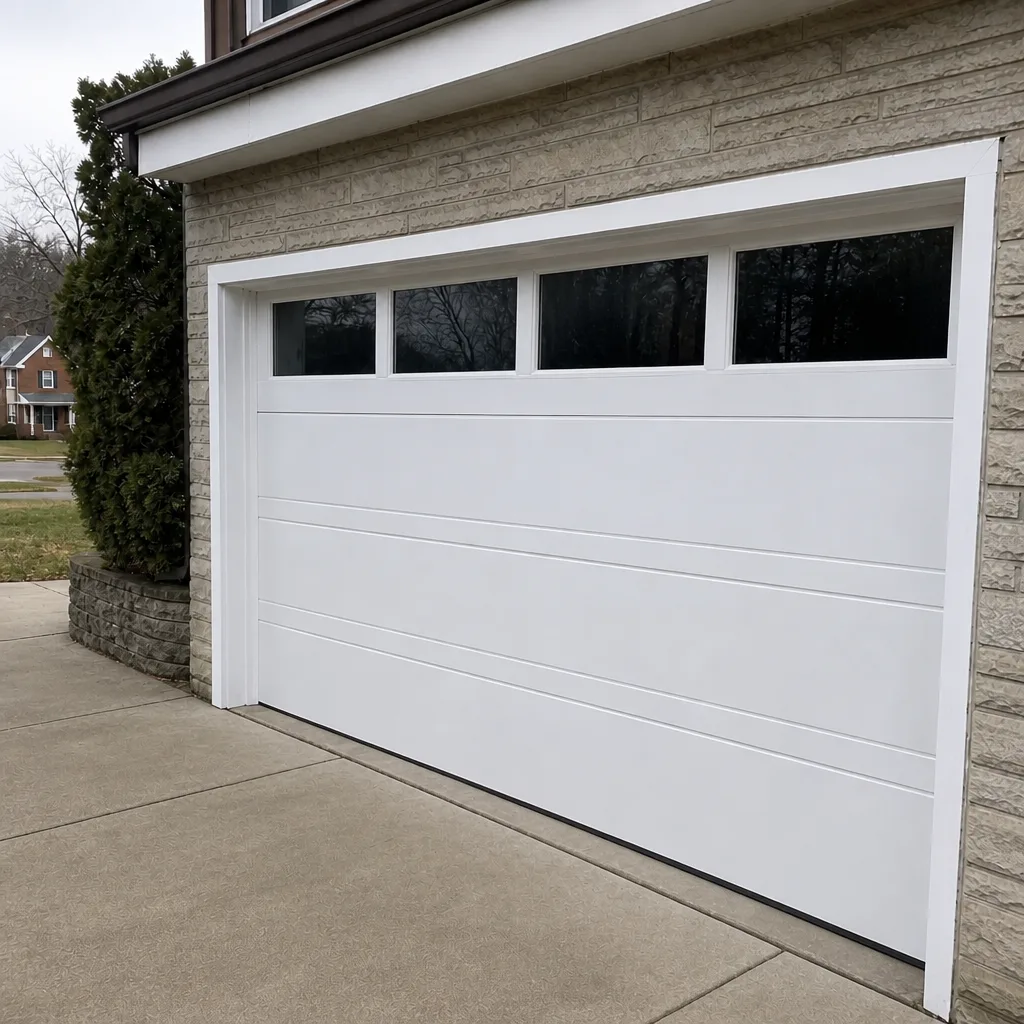 After
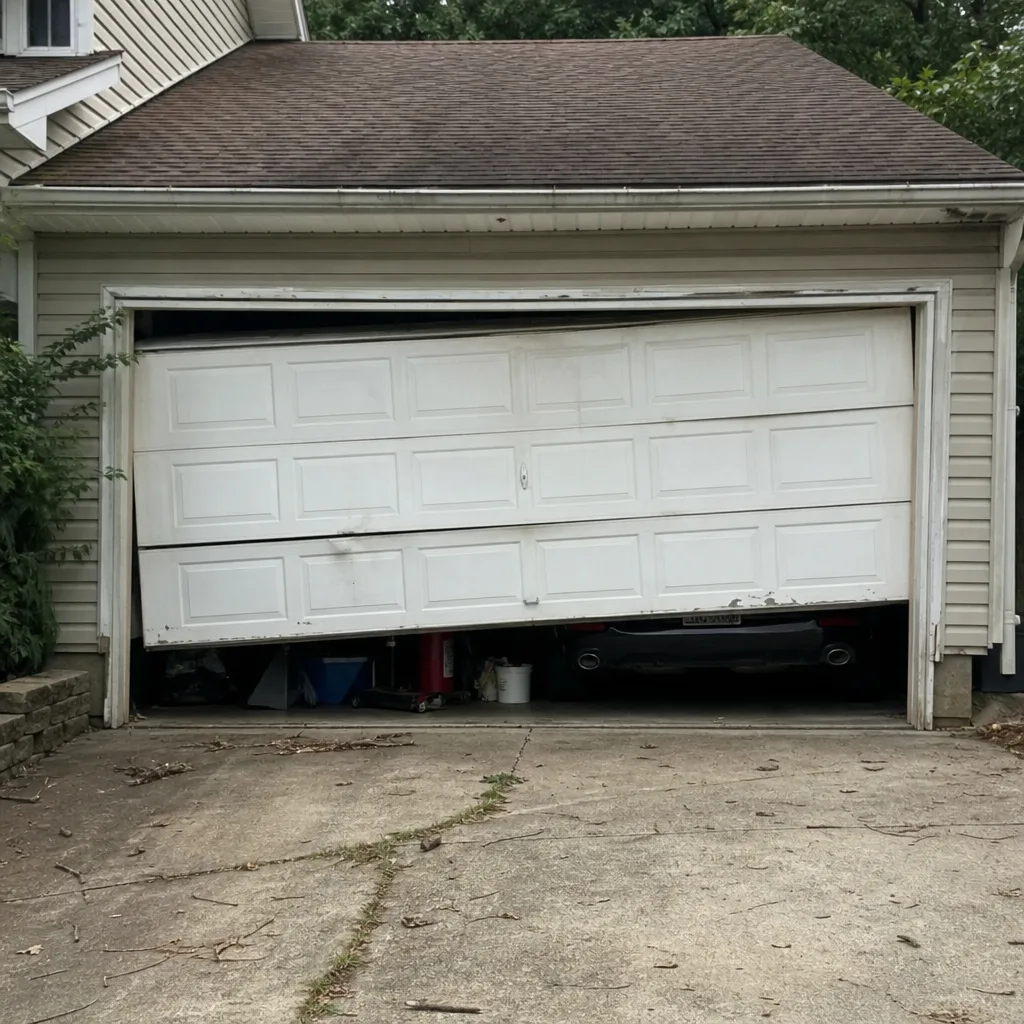 Before
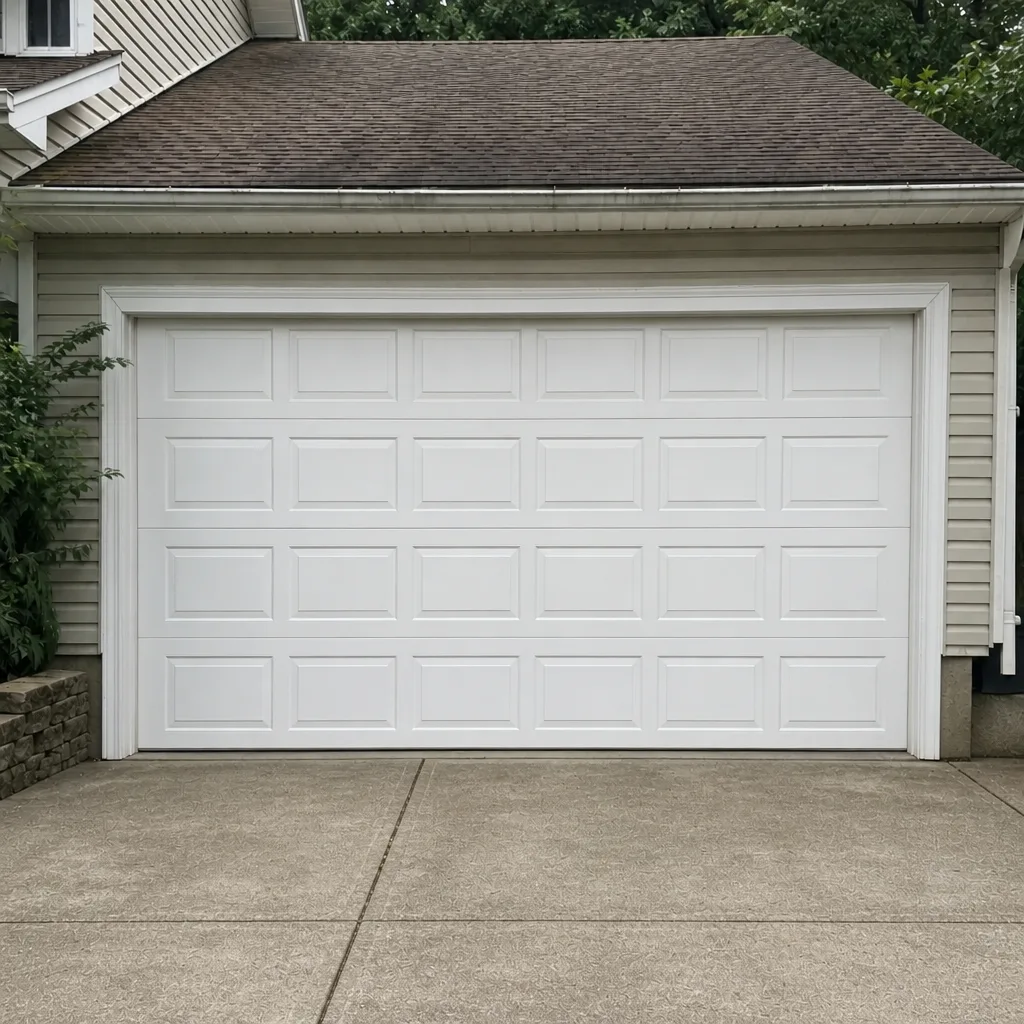 After
When to Call a Professional
Maintenance is a homeowner job up to a clear line, and past that line it’s a trained technician’s job. Call a professional when the door fails the balance test, when you see frayed or slack cable, when the door has jumped or come off its track, when a spring looks broken or the door opens with a much heavier feel than usual, or when the opener reverses erratically, runs past its stop points, or refuses to respond to a properly working remote. Also call if the door has become noticeably louder over a few months, or if you simply don’t know the last time the springs were checked. In Mount Lebanon, our team handles spring repair as a dedicated specialty, services eight major brands without steering you away from what you already own, and provides emergency garage door service for the failures that can’t wait. Garage Door Repair Mount Lebanon offers free estimates in Mount Lebanon – call (877) 640-9337 to get one started.
Frequently Asked Questions
Twice a year is the right baseline for most Mount Lebanon doors: once before winter and once in spring. White lithium grease goes on the springs; silicone spray goes on hinges and roller stems; tracks stay dry. If the door still looks greasy from the last pass, skip that component rather than over-lubricating.
No. Torsion and extension springs are under extreme tension even when the door is closed, and adjusting or replacing them is the most common cause of serious injury in garage door work. A homeowner can safely run the balance test and visually check for broken springs, but any adjustment belongs to a trained technician.
The balance test checks whether the springs are still carrying the door’s weight. You disconnect the opener with the manual release, lift the door by hand to about waist height, then to halfway, then to shoulder height, letting go at each point. The door should hold or drift slowly. If it drops or shoots up, the springs have lost tension and need professional service. Full steps are in the balance test section above.
White lithium grease for torsion and extension springs, silicone spray for hinges and roller stems. Tracks get nothing, and the opener’s chain or belt spec comes from its maker. Using silicone on a spring attracts grit and accelerates wear, which is why the incorrect product is worse than no product at all.
The monthly safety reverse test, checking the drive’s tension on chain and belt models, and confirming that smart-connected openers (Chamberlain’s myQ is common) report the door’s true position. A belt-drive unit also needs the belt kept dry and the rail checked. Jackshaft units need the shaft coupling checked for looseness.
When the door fails the balance test, when a cable is visibly frayed or slack, when the door has come off its track, when a spring looks broken or the door suddenly feels much heavier, or when the opener misbehaves. Those are repair calls, not maintenance. Call (877) 640-9337 for a free estimate and we’ll tell you what’s needed.
The Bottom Line
A garage door maintenance checklist works when every task has a specific component, a specific product, and a realistic interval attached to it. White lithium grease on springs, silicone on hinges and rollers, nothing on tracks, a five-minute monthly visual check, a pre-winter weatherstripping inspection to survive Mount Lebanon’s freeze-thaw cycles, and a balance test each season to catch spring wear early. Everything that involves springs and cables under tension belongs to a trained technician. Get that assignment right and the routine stays safe, the door stays quiet, and the repair that would have been an emergency never happens.
Call (877) 640-9337 for a free estimate. We answer 24/7. Fast dispatch from 7am to 7pm, Sunday through Friday. Whether you’re after a tune-up, an opener check or a spring inspection, our team will quote the work, agree the price with you before anything starts, and use a repair-first approach with no replacement pitch.
Written by the team at Garage Door Repair Mount Lebanon.